THE ADVENTURE COLLECTIVE® · Independent discovery and booking for outdoor travel

The Sirimon Route on Mount Kenya is a six-day, multi-night alpine trek that climbs from rainforest through moorland to Point Lenana. Expect staged camps, steep terrain, and an early summit push—ideal for trekkers prepared for altitude and varied mountain conditions.
The Sirimon Route on Mount Kenya is a six-day, multi-night alpine trek that climbs from rainforest through moorland to Point Lenana. Expect staged camps, steep terrain, and an early summit push—ideal for trekkers prepared for altitude and varied mountain conditions.
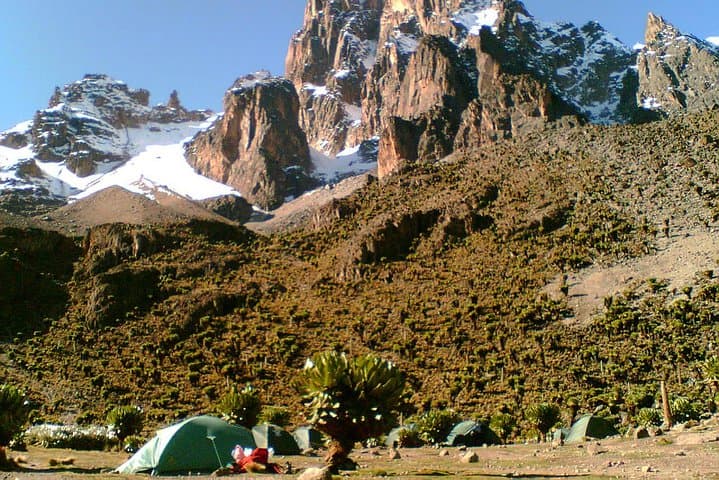
Morning light on the Sirimon Ridge cuts through eucalyptus and bamboo, and the trail breathes with the smell of damp earth as you climb from the gate at 2,440m. Over six days the route moves from closed canopy rainforest into heath and moorland, then into alpine rock and scree as you aim for Point Lenana at roughly 4,985m. Judmaier, Liki and Shipton’s camps provide staged nights for acclimatization and make the summit push manageable.
Verified experiences and guided adventures in the surrounding area.
Operated by Gracepatt Safaris · Nanyuki, Laikipia County
Morning light on the Sirimon Ridge cuts through eucalyptus and bamboo, and the trail breathes with the smell of damp earth as you climb from the gate at 2,440m. Over six days the route moves from closed canopy rainforest into heath and moorland, then into alpine rock and scree as you aim for Point Lenana at roughly 4,985m. Judmaier, Liki and Shipton’s camps provide staged nights for acclimatization and make the summit push manageable.
Geology here tells the story of an extinct stratovolcano: jagged peaks of phonolite and trachyte rise from glacially carved valleys and small tarns. Mount Kenya’s slopes have supported Kikuyu and Meru communities for centuries; local guides pass on place-names and seasonal knowledge that help with route choice and weather reading. Colonial-era huts and early mountaineering routes are still visible in the upper ridges, reminders of the mountain’s climbing history.
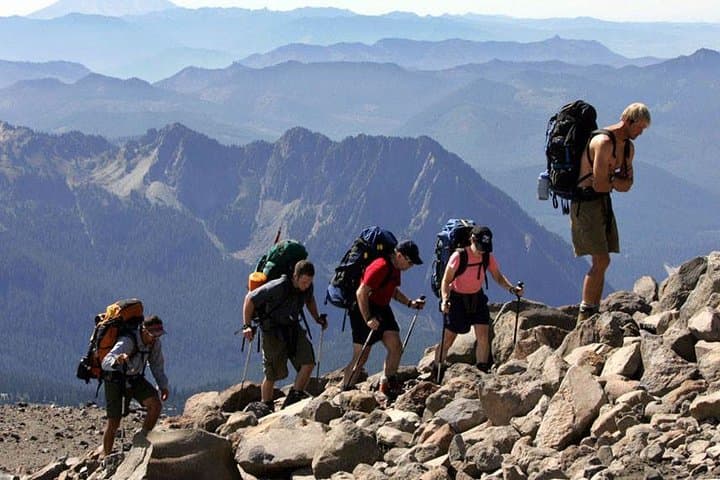
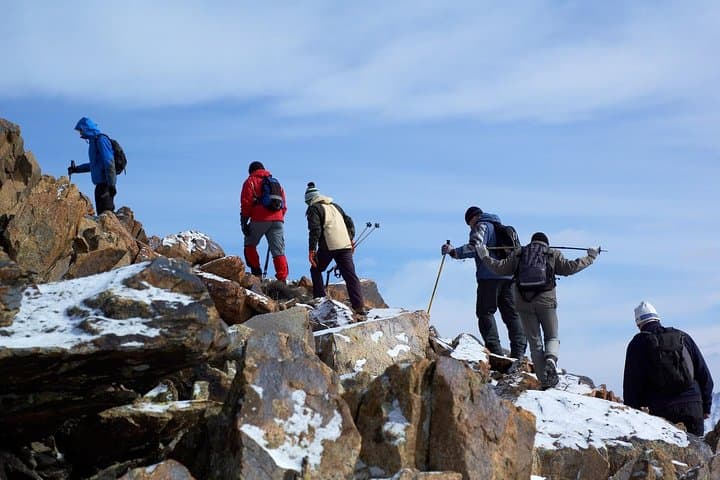
Practically, expect steep boots-on-ground days of 4–8 hours with one very early summit push around 2:00 a.m. for sunrise over the peaks. Trails switch between packed earth, soft peat, rocky ledges and occasional snowfields higher up — poles and crampons can be useful in the wet season. Hydrate, follow your guide’s pace for acclimatization, layer for rapidly changing temperatures, and carry a good headlamp for pre-dawn starts. Weather shifts fast: the mountain tests ambition and rewards steady, conservative climbing with wide, icy views and the rare hush of high-altitude night.
challenging.
5–7 days.
Good aerobic fitness with experience on multi-day treks; comfortable with long days and altitude
Sirimon is drier and more scenic with higher-quality huts on the northwest side; it’s considered slightly easier for acclimatization but still challenging due to altitude.
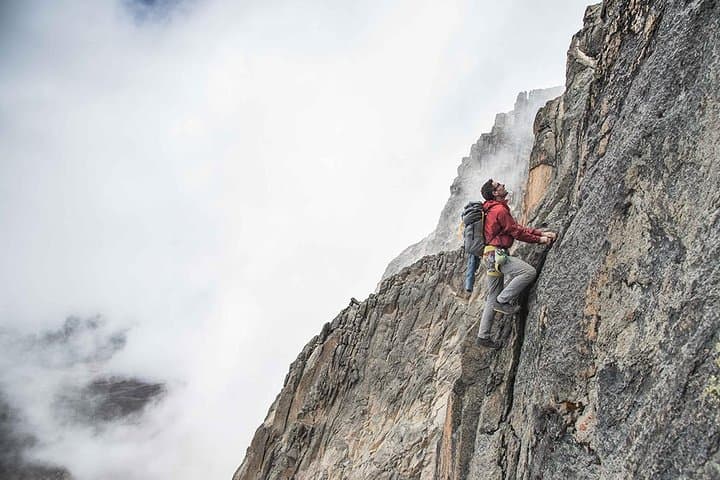
No technical rock-climbing gear is required to reach Point Lenana, but ice or snow on higher sections may require microspikes or crampons in certain seasons.
Visitors should check Kenya’s current vaccination recommendations; trekking on Mount Kenya requires park fees and usually a licensed guide—these are arranged through operators.
Physically fit beginners with prior multi-day hiking experience can succeed if they follow acclimatization guidance, travel with a reputable guide and prepare appropriately.
Mount Kenya has been a cultural landmark for Kikuyu and Meru peoples and later a focus for early 20th-century European mountaineers who established many of the existing high camps.
The mountain lies within Mount Kenya National Park; strict leave-no-trace rules, regulated camping and park fees fund conservation and local community projects.
Gracepatt Safaris operates guided outdoor trips and adventures with an emphasis on safety, stewardship, and memorable experiences.
Morning light on the Sirimon Ridge cuts through eucalyptus and bamboo, and the trail breathes with the smell of damp earth as you climb from the gate at 2,440m. Over six days the route moves from closed canopy rainforest into heath and moorland, then into alpine rock and scree as you aim for Point Lenana at roughly 4,985m. Judmaier, Liki and Shipton’s camps provide staged nights for acclimatization and make the summit push manageable.
Morning light on the Sirimon Ridge cuts through eucalyptus and bamboo, and the trail breathes with the smell of damp earth as you climb from the gate at 2,440m. Over six days the route moves from closed canopy rainforest into heath and moorland, then into alpine rock and scree as you aim for Point Lenana at roughly 4,985m. Judmaier, Liki and Shipton’s camps provide staged nights for acclimatization and make the summit push manageable.
Geology here tells the story of an extinct stratovolcano: jagged peaks of phonolite and trachyte rise from glacially carved valleys and small tarns. Mount Kenya’s slopes have supported Kikuyu and Meru communities for centuries; local guides pass on place-names and seasonal knowledge that help with route choice and weather reading. Colonial-era huts and early mountaineering routes are still visible in the upper ridges, reminders of the mountain’s climbing history.
Practically, expect steep boots-on-ground days of 4–8 hours with one very early summit push around 2:00 a.m. for sunrise over the peaks. Trails switch between packed earth, soft peat, rocky ledges and occasional snowfields higher up — poles and crampons can be useful in the wet season. Hydrate, follow your guide’s pace for acclimatization, layer for rapidly changing temperatures, and carry a good headlamp for pre-dawn starts. Weather shifts fast: the mountain tests ambition and rewards steady, conservative climbing with wide, icy views and the rare hush of high-altitude night.