THE ADVENTURE COLLECTIVE® · Independent discovery and booking for outdoor travel

Follow the Chogoria Route on a 5-day guided trek to Point Lenana, passing waterfalls, tarns and alpine moorland. This trip combines rainforest approaches with high-altitude trekking and overnight camping or hut stays.
Follow the Chogoria Route on a 5-day guided trek to Point Lenana, passing waterfalls, tarns and alpine moorland. This trip combines rainforest approaches with high-altitude trekking and overnight camping or hut stays.
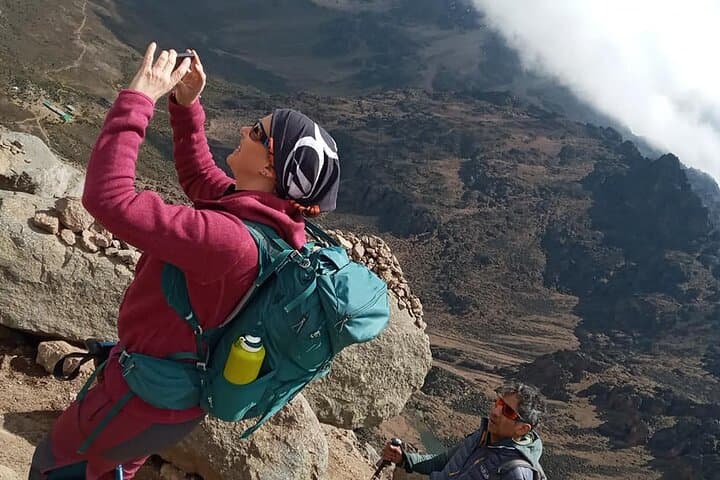
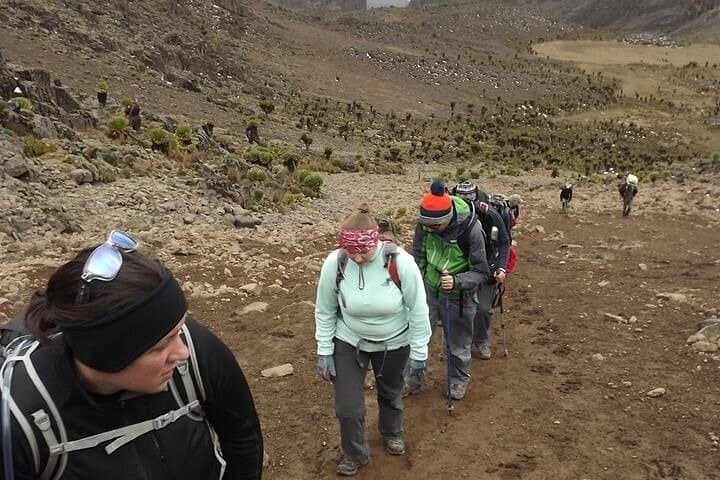
At first light the ridge shows like a gray spine against the sky; you step from bamboo groves into high moorland and the mountain begins to feel alive — slopes that push and breathe, rivers that dare you to follow their chill. The Chogoria Route moves east-to-west across Mount Kenya, climbing through rainforest, bamboo, and alpine heaths before opening onto tarns and the moraine cirques below Point Lenana.
Verified experiences and guided adventures in the surrounding area.
Operated by Sabilom Kenya Tours & Safaris · Chogoria, Tharaka-Nithi
At first light the ridge shows like a gray spine against the sky; you step from bamboo groves into high moorland and the mountain begins to feel alive — slopes that push and breathe, rivers that dare you to follow their chill. The Chogoria Route moves east-to-west across Mount Kenya, climbing through rainforest, bamboo, and alpine heaths before opening onto tarns and the moraine cirques below Point Lenana.
The massif is volcanic in origin; glaciers once carved the steep gorges and left hanging valleys, cliffs and tall waterfalls such as Vivienne. For local communities, Mount Kenya (Kirinyaga in Kikuyu) is both a landmark and a cultural place of origin. The national park is a UNESCO World Heritage Site with long conservation history under Kenya Wildlife Service, and trekking here comes with permits and park fees.
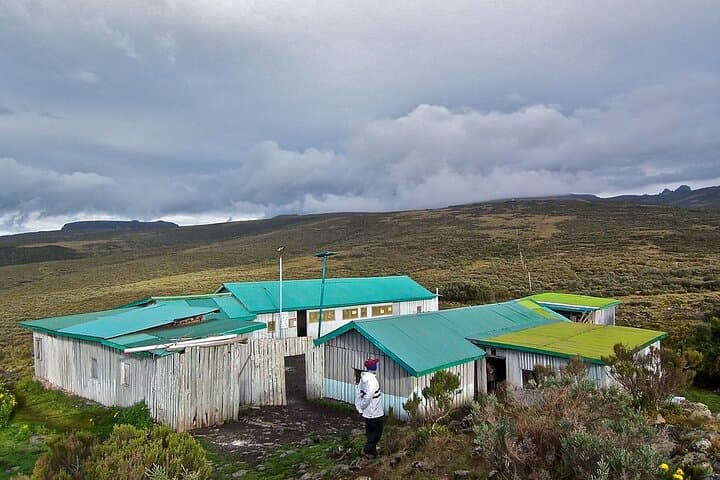
Expect steady multi-day hiking rather than technical climbing — campsites by streams, a night at Minto’s Hut or beside Hall Tarns, and a pre-dawn push to Point Lenana (4,985 m) for sunrise views that can include distant Kilimanjaro on very clear days. Terrain alternates packed soil, wet boardwalks in bamboo zones, loose gravel on the final scree slopes, and short steep sections.
Practical guidance: pace your ascent for acclimatization, carry layered insulation for cold summit hours, and use gaiters for wet sections. Hydrate early and often; days are long but designed with acclimatization built in. Guides and porters handle logistics — bring personal essentials, respect campsite rules, and allow time in Nairobi before/after for travel buffers.
challenging.
5 days.
Good cardiovascular fitness and experience with multi-day hiking at altitude; regular hikers should be prepared for long days and steep sections.
No; Point Lenana is a non-technical trekking summit. The route involves steep walking and loose scree but no ropework or technical gear.
This itinerary includes park entry and permit fees, but confirm with the operator for the most current permit arrangements.
Summit temperatures can fall below freezing before sunrise; wind chill can make it feel much colder, so bring warm layers and a windproof shell.
Dry months (June–September and January–February) offer more stable weather and clearer summit views, though the mountain is trek-worthy year-round with variable conditions.
Mount Kenya has long cultural significance for Kikuyu and neighboring peoples; European alpine-style exploration in the early 20th century mapped much of the massif and established hut routes.
Mount Kenya National Park and surrounding reserves protect fragile alpine ecosystems and endemic plants; stick to trails, avoid wood fires, and support local guides and community fees.
Sabilom Kenya Tours & Safaris operates guided outdoor trips and adventures with an emphasis on safety, stewardship, and memorable experiences.

At first light the ridge shows like a gray spine against the sky; you step from bamboo groves into high moorland and the mountain begins to feel alive — slopes that push and breathe, rivers that dare you to follow their chill. The Chogoria Route moves east-to-west across Mount Kenya, climbing through rainforest, bamboo, and alpine heaths before opening onto tarns and the moraine cirques below Point Lenana.
At first light the ridge shows like a gray spine against the sky; you step from bamboo groves into high moorland and the mountain begins to feel alive — slopes that push and breathe, rivers that dare you to follow their chill. The Chogoria Route moves east-to-west across Mount Kenya, climbing through rainforest, bamboo, and alpine heaths before opening onto tarns and the moraine cirques below Point Lenana.
The massif is volcanic in origin; glaciers once carved the steep gorges and left hanging valleys, cliffs and tall waterfalls such as Vivienne. For local communities, Mount Kenya (Kirinyaga in Kikuyu) is both a landmark and a cultural place of origin. The national park is a UNESCO World Heritage Site with long conservation history under Kenya Wildlife Service, and trekking here comes with permits and park fees.
Expect steady multi-day hiking rather than technical climbing — campsites by streams, a night at Minto’s Hut or beside Hall Tarns, and a pre-dawn push to Point Lenana (4,985 m) for sunrise views that can include distant Kilimanjaro on very clear days. Terrain alternates packed soil, wet boardwalks in bamboo zones, loose gravel on the final scree slopes, and short steep sections.
Practical guidance: pace your ascent for acclimatization, carry layered insulation for cold summit hours, and use gaiters for wet sections. Hydrate early and often; days are long but designed with acclimatization built in. Guides and porters handle logistics — bring personal essentials, respect campsite rules, and allow time in Nairobi before/after for travel buffers.