THE ADVENTURE COLLECTIVE® · Independent discovery and booking for outdoor travel

A compact, high-altitude trek that climbs from montane forest into stark alpine moorland to reach Point Lenana. This four-day Sirimon-route itinerary blends cultural history, geological drama, and practical mountaineering—ideal for fit hikers ready to manage altitude.
A compact, high-altitude trek that climbs from montane forest into stark alpine moorland to reach Point Lenana. This four-day Sirimon-route itinerary blends cultural history, geological drama, and practical mountaineering—ideal for fit hikers ready to manage altitude.
Dawn breaks on a stony skyline and the air is thin enough to make each breath feel deliberate. You step out of a high-camp into a raw, alpine landscape—giant lobelia and silvery senecios casting long shadows—while the ridge of Mount Kenya pushes skyward, its glaciated arms framing the route to Point Lenana.
Verified experiences and guided adventures in the surrounding area.
Operated by Zazu Safari Ventures · Nanyuki, Laikipia
Dawn breaks on a stony skyline and the air is thin enough to make each breath feel deliberate. You step out of a high-camp into a raw, alpine landscape—giant lobelia and silvery senecios casting long shadows—while the ridge of Mount Kenya pushes skyward, its glaciated arms framing the route to Point Lenana.
The four-day itinerary follows the Sirimon approach: forested trails rising into heath and moorland, then a high camp at Shipton before an early-morning summit push. The massif itself is an eroded stratovolcano whose jagged granite peaks—Batian, Nelion, and Point Lenana—tell a story of volcanic uplift and Pleistocene glaciation. For the Kikuyu and other local groups the mountain holds cultural significance; colonial-era mountaineering began here in the late 19th century with early scientific expeditions.
Expect trail surfaces that range from packed forest soil to loose scree and steep stone staircases. Altitude gain is significant: the route climbs from roughly 2,440 m at Sirimon Gate to camps between 3,300–4,200 m, with the summit day reaching ~4,985 m for Point Lenana. Weather is changeable—sunny mornings can turn to wind and mist by afternoon—so timing and pacing matter.
Practically: train with sustained uphill hikes, use trekking poles to protect knees on descent, hydrate and monitor for mild altitude symptoms, and pack layers for sub-freezing nights. Guides and cooks are standard on commercial treks; leave no trace and allow the mountain space to breathe.
challenging.
3–4 days.
Best for hikers with strong cardiovascular fitness and experience on multi-day treks; train on sustained climbs and descents.
No—Point Lenana is a non-technical trekking summit typically reached with walking, some steep sections, and loose scree; Batian and Nelion require technical rock-climbing skills and equipment.
The summit day reaches roughly 4,985 m; mild altitude symptoms are common—headache, fatigue—and proper pacing, hydration, and reporting issues to your guide are important.
Commercial treks include full-board meals, basic hut or tent accommodation at camps like Judmier/Old Moses and Shipton, and a cook plus guide service per the itinerary.
Most operators include transfers from Nairobi with a 3–4 hour drive to Nanyuki then to Sirimon Gate; confirm pickup location and times with your provider.
Mount Kenya has long cultural significance for local peoples and drew early European climbers in the late 19th century; Halford Mackinder led some of the first scientific ascents.
Mount Kenya is protected as a national park and UNESCO site; stay on trails, pack out waste, and minimize campfire impacts to preserve fragile alpine ecosystems.
Zazu Safari Ventures operates guided outdoor trips and adventures with an emphasis on safety, stewardship, and memorable experiences.

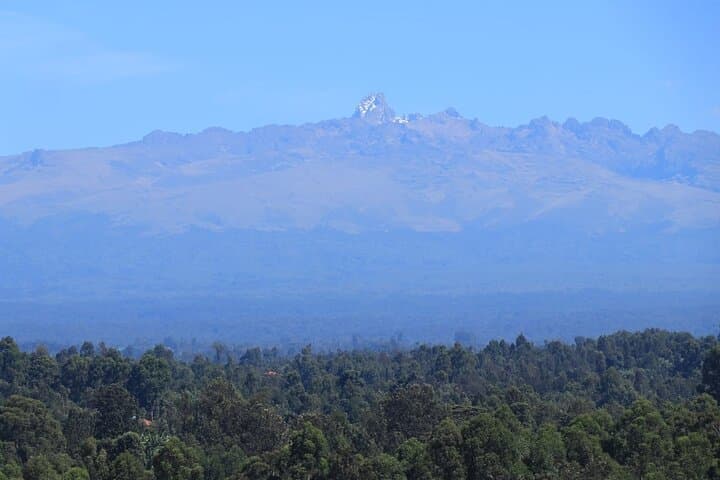

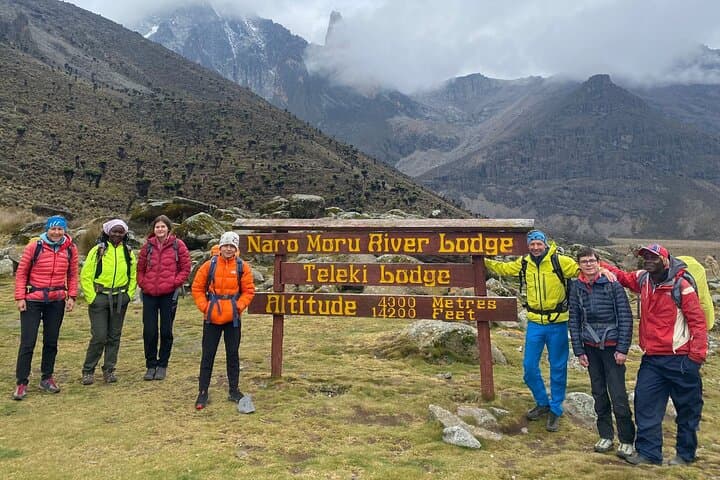
Dawn breaks on a stony skyline and the air is thin enough to make each breath feel deliberate. You step out of a high-camp into a raw, alpine landscape—giant lobelia and silvery senecios casting long shadows—while the ridge of Mount Kenya pushes skyward, its glaciated arms framing the route to Point Lenana.
Dawn breaks on a stony skyline and the air is thin enough to make each breath feel deliberate. You step out of a high-camp into a raw, alpine landscape—giant lobelia and silvery senecios casting long shadows—while the ridge of Mount Kenya pushes skyward, its glaciated arms framing the route to Point Lenana.
The four-day itinerary follows the Sirimon approach: forested trails rising into heath and moorland, then a high camp at Shipton before an early-morning summit push. The massif itself is an eroded stratovolcano whose jagged granite peaks—Batian, Nelion, and Point Lenana—tell a story of volcanic uplift and Pleistocene glaciation. For the Kikuyu and other local groups the mountain holds cultural significance; colonial-era mountaineering began here in the late 19th century with early scientific expeditions.
Expect trail surfaces that range from packed forest soil to loose scree and steep stone staircases. Altitude gain is significant: the route climbs from roughly 2,440 m at Sirimon Gate to camps between 3,300–4,200 m, with the summit day reaching ~4,985 m for Point Lenana. Weather is changeable—sunny mornings can turn to wind and mist by afternoon—so timing and pacing matter.
Practically: train with sustained uphill hikes, use trekking poles to protect knees on descent, hydrate and monitor for mild altitude symptoms, and pack layers for sub-freezing nights. Guides and cooks are standard on commercial treks; leave no trace and allow the mountain space to breathe.