THE ADVENTURE COLLECTIVE® · Independent discovery and booking for outdoor travel

This 22‑day trek via Simikot is the shortest overland route to the Mount Kailash kora, combining remote Himalayan ridgelines, high passes and sacred sites. Expect long days at altitude, tented camps, and encounters with ancient pilgrimage traditions.
This 22‑day trek via Simikot is the shortest overland route to the Mount Kailash kora, combining remote Himalayan ridgelines, high passes and sacred sites. Expect long days at altitude, tented camps, and encounters with ancient pilgrimage traditions.
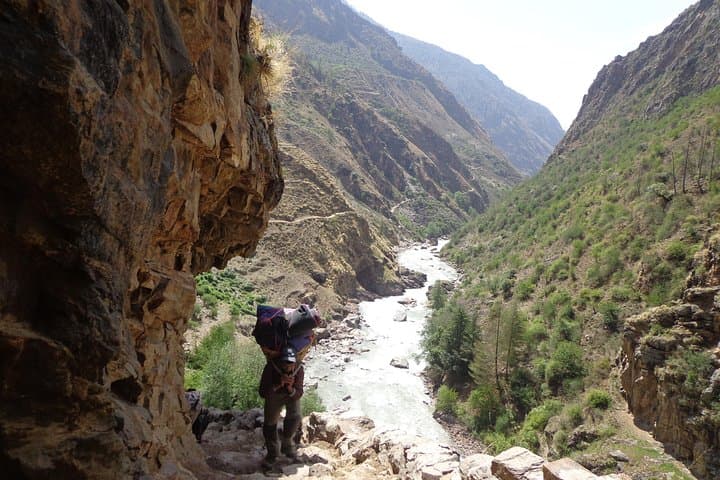
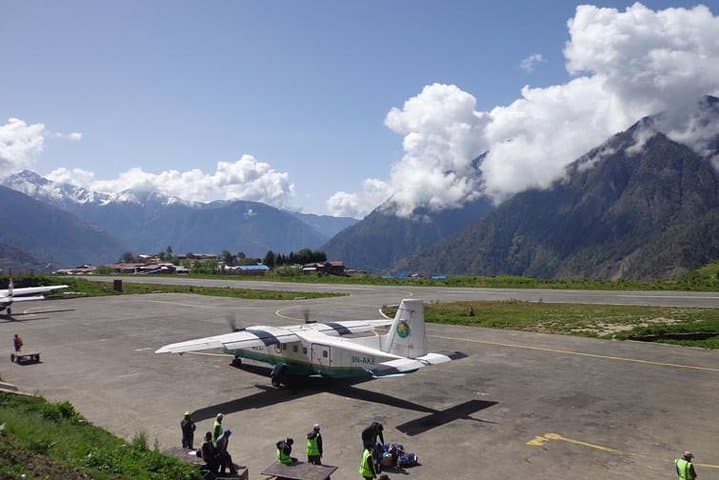
A thin blue light lifts off the Himalayan horizon as you touch down in Simikot and step toward a landscape that rearranges scale and belief. The trail threads through Humla’s remote ridgelines, past prayer flags that voice the wind, and climbs to passes that give the plateau a hard-edged clarity. Mount Kailash sits above it all—sharp, sacred, and uncompromising.
Verified experiences and guided adventures in the surrounding area.
Operated by Nepal Kailash Trekking · Darchen, Tibet Autonomous Region
A thin blue light lifts off the Himalayan horizon as you touch down in Simikot and step toward a landscape that rearranges scale and belief. The trail threads through Humla’s remote ridgelines, past prayer flags that voice the wind, and climbs to passes that give the plateau a hard-edged clarity. Mount Kailash sits above it all—sharp, sacred, and uncompromising.
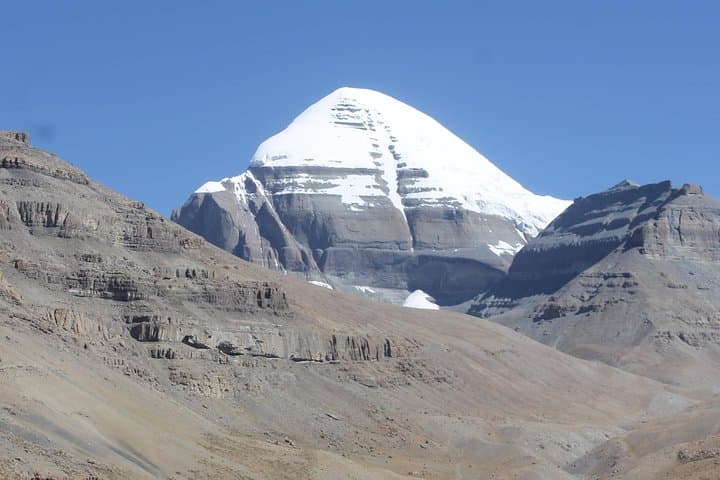
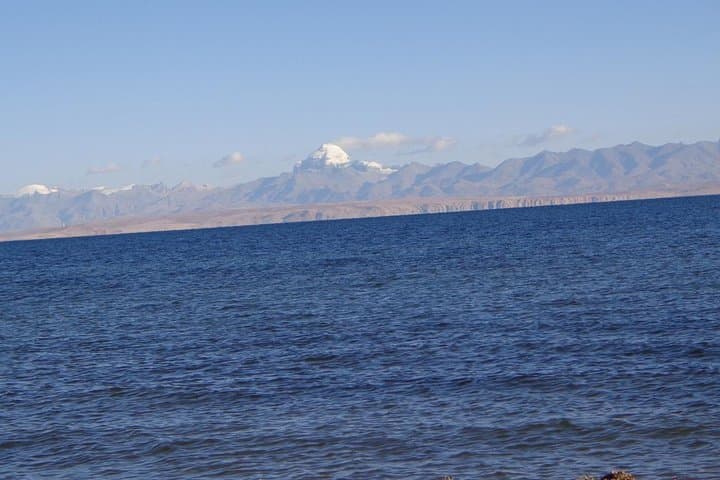
Geologically, Kailash is a granitic intrusion carved by glacial action and wind; at 6,714 m it dominates the northwestern Tibetan plateau. The mountain’s significance spans religions: Hindus revere it as Shiva’s abode, Buddhists map it as a mandala, Jains mark it as the site of spiritual release, and Bon traditions predate them all. Local settlements—Kailash’s base at Darchen and monasteries around Manasarovar—preserve centuries-old rituals and simple guesthouses where butter tea and yak milk set the pace.
Practical guidance: this is a 22-day, high-altitude circuit that includes long trekking days, a 5,640 m pass (Dolma La), and multiple nights above 4,500 m. Acclimatize—plan for slow ascent, rest days at Manasarovar and Darchen, and carry medication for altitude illness. Trails vary from packed dirt and scree to icy riverbeds; expect temperatures that swing sharply between night and day. Logistics include flights from Kathmandu to Nepalgunj and Simikot, border formalities at Kerong, and a mix of tented camps and basic guesthouses.
Pack for cold, strong sun, and wind; hire experienced local guides and respect pilgrimage customs. The route rewards persistence: raw views, remote monastery encounters, and the steady cadence of your boots marking the circuit around one of the world’s most revered peaks.
difficult.
22 days.
Good aerobic fitness with experience at multi-day trekking; ability to carry a daypack and walk 6–8 hours on rough terrain.
Yes—travel to Kailash involves Chinese/Tibetan permits in addition to standard entry visas; organized groups typically handle permit processing and border formalities.
Altitude is significant—several nights are above 4,500 m and the Dolma La is ~5,640 m; altitude sickness can occur, so acclimatize, ascend slowly, and know symptoms and treatment.
Expect a mix of tented camps in remote Humla and basic guesthouses or monasteries on the Tibetan side—hotels are simple; bring a good sleeping bag and insulation layer.
Practically no—best windows are pre- and post-monsoon (May and September–October); winter months are often impassable and services limited.
Mount Kailash has been a focus of pilgrimage for millennia and features in Hindu, Buddhist, Jain and Bon cosmologies as a site of spiritual ascent and liberation.
The high‑altitude plateau is ecologically fragile—stick to established trails, avoid wood burning in camps, and follow local waste‑management rules to protect water and grasslands.
Nepal Kailash Trekking operates guided outdoor trips and adventures with an emphasis on safety, stewardship, and memorable experiences.
A thin blue light lifts off the Himalayan horizon as you touch down in Simikot and step toward a landscape that rearranges scale and belief. The trail threads through Humla’s remote ridgelines, past prayer flags that voice the wind, and climbs to passes that give the plateau a hard-edged clarity. Mount Kailash sits above it all—sharp, sacred, and uncompromising.
A thin blue light lifts off the Himalayan horizon as you touch down in Simikot and step toward a landscape that rearranges scale and belief. The trail threads through Humla’s remote ridgelines, past prayer flags that voice the wind, and climbs to passes that give the plateau a hard-edged clarity. Mount Kailash sits above it all—sharp, sacred, and uncompromising.
Geologically, Kailash is a granitic intrusion carved by glacial action and wind; at 6,714 m it dominates the northwestern Tibetan plateau. The mountain’s significance spans religions: Hindus revere it as Shiva’s abode, Buddhists map it as a mandala, Jains mark it as the site of spiritual release, and Bon traditions predate them all. Local settlements—Kailash’s base at Darchen and monasteries around Manasarovar—preserve centuries-old rituals and simple guesthouses where butter tea and yak milk set the pace.
Practical guidance: this is a 22-day, high-altitude circuit that includes long trekking days, a 5,640 m pass (Dolma La), and multiple nights above 4,500 m. Acclimatize—plan for slow ascent, rest days at Manasarovar and Darchen, and carry medication for altitude illness. Trails vary from packed dirt and scree to icy riverbeds; expect temperatures that swing sharply between night and day. Logistics include flights from Kathmandu to Nepalgunj and Simikot, border formalities at Kerong, and a mix of tented camps and basic guesthouses.
Pack for cold, strong sun, and wind; hire experienced local guides and respect pilgrimage customs. The route rewards persistence: raw views, remote monastery encounters, and the steady cadence of your boots marking the circuit around one of the world’s most revered peaks.