THE ADVENTURE COLLECTIVE® · Independent discovery and booking for outdoor travel

Stand on the summit of Mount Juktas and look out over Heraklion, ancient Minoan sites and Cretan vineyards. This full-day trip blends short ridge walks, a peak sanctuary, village stops and a traditional lunch with raki tasting.
Stand on the summit of Mount Juktas and look out over Heraklion, ancient Minoan sites and Cretan vineyards. This full-day trip blends short ridge walks, a peak sanctuary, village stops and a traditional lunch with raki tasting.
The morning air on Juktas tastes of thyme and stone; the road from Heraklion climbs through olive terraces and then gives way to a narrow ridge where the island stretches in every direction like a map. From the summit you can pick out Heraklion’s harbor, the plain of Messara and the ragged spine of central Crete — a vantage that Minoans used for ritual and observation thousands of years ago.
Verified experiences and guided adventures in the surrounding area.
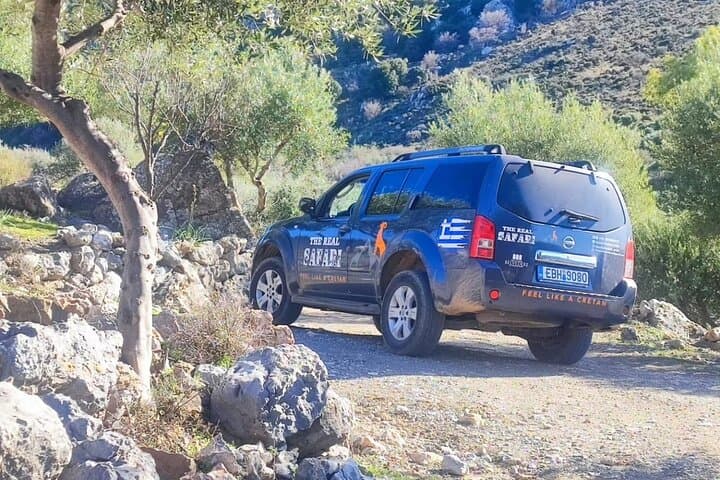
Operated by The real safari crete · Heraklion, Crete
The morning air on Juktas tastes of thyme and stone; the road from Heraklion climbs through olive terraces and then gives way to a narrow ridge where the island stretches in every direction like a map. From the summit you can pick out Heraklion’s harbor, the plain of Messara and the ragged spine of central Crete — a vantage that Minoans used for ritual and observation thousands of years ago.
Geology here is compact limestone carved by rain and wind into caves and cliffs; the mountain’s porous rock feeds springs that vintners and villagers have relied on for centuries. Archaeologists uncovered a peak sanctuary on Juktas associated with Minoan religious life, and local culture still centers on small villages, raki distilleries and family-run vineyards that punctuate the slopes.
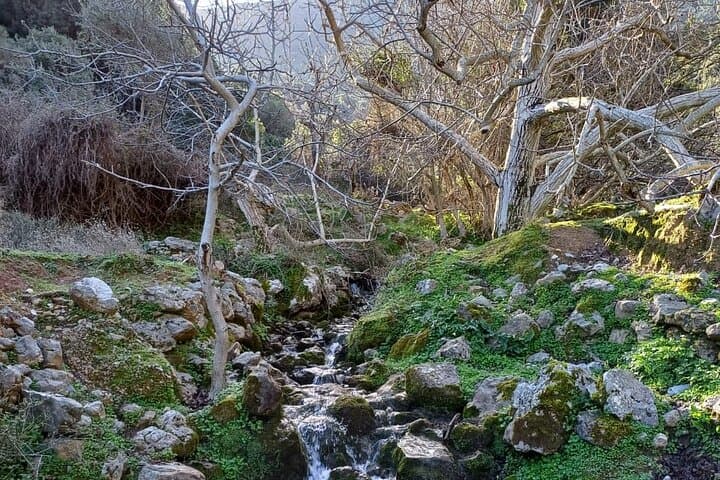
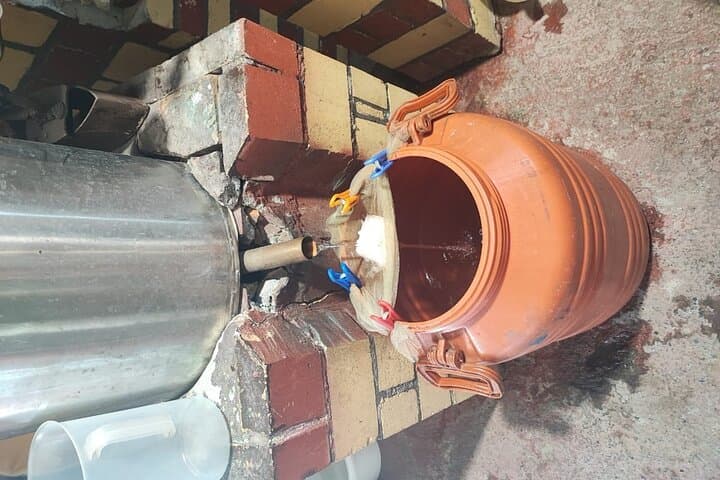
On a day trip you'll mix short walks (some steep stone steps and uneven trails) with cultural stops: a cave with mythic ties to Artemis, a clear spring for photos, and a tasting of raki and Cretan lunch in a village house. The route alternates between shaded pine gullies and exposed ridge, so timing matters: morning light brings softer temperatures and long shadows for photos, while mid-afternoon can be hot and windy.
Practical guidance: wear sturdy hiking shoes with good grip for limestone, bring 1–2 liters of water and sun protection, and expect a few short, steep sections rather than sustained climbs. Respect private farmland and follow marked paths; support local producers by sampling wine or raki at small homesteads. With basic preparation, Juktas rewards with sweeping views and a direct link to Crete’s deep past.
moderate.
6–7 hours.
Suitable for travelers in average fitness: involves short steep sections, stone steps and walking up to an exposed summit area.
The outing is roughly 7 hours; typical inclusions are transport from Heraklion, a guided visit to the peak sanctuary/cave, village stops, a traditional lunch and tastings.
Short walking sections are family-friendly but involve uneven stone steps; infants and small children can be accommodated but pregnant travelers are advised not to participate.
Yes — bring some cash for small purchases at village stalls or to buy additional local wine or souvenirs not included in the tour price.
Spring and fall offer mild temperatures and flowering hillsides; summer is hotter and winter can be wet and windy, making some paths slippery.
Juktas hosted a Minoan peak sanctuary — archaeologists found votive objects that link the summit to early Bronze Age religious practice.
Trails suffer from erosion and overgrazing in places; stick to marked routes, avoid trampling vegetation and support local producers to help preserve traditional land use.
The real safari crete operates guided outdoor trips and adventures with an emphasis on safety, stewardship, and memorable experiences.
The morning air on Juktas tastes of thyme and stone; the road from Heraklion climbs through olive terraces and then gives way to a narrow ridge where the island stretches in every direction like a map. From the summit you can pick out Heraklion’s harbor, the plain of Messara and the ragged spine of central Crete — a vantage that Minoans used for ritual and observation thousands of years ago.
The morning air on Juktas tastes of thyme and stone; the road from Heraklion climbs through olive terraces and then gives way to a narrow ridge where the island stretches in every direction like a map. From the summit you can pick out Heraklion’s harbor, the plain of Messara and the ragged spine of central Crete — a vantage that Minoans used for ritual and observation thousands of years ago.
Geology here is compact limestone carved by rain and wind into caves and cliffs; the mountain’s porous rock feeds springs that vintners and villagers have relied on for centuries. Archaeologists uncovered a peak sanctuary on Juktas associated with Minoan religious life, and local culture still centers on small villages, raki distilleries and family-run vineyards that punctuate the slopes.
On a day trip you'll mix short walks (some steep stone steps and uneven trails) with cultural stops: a cave with mythic ties to Artemis, a clear spring for photos, and a tasting of raki and Cretan lunch in a village house. The route alternates between shaded pine gullies and exposed ridge, so timing matters: morning light brings softer temperatures and long shadows for photos, while mid-afternoon can be hot and windy.
Practical guidance: wear sturdy hiking shoes with good grip for limestone, bring 1–2 liters of water and sun protection, and expect a few short, steep sections rather than sustained climbs. Respect private farmland and follow marked paths; support local producers by sampling wine or raki at small homesteads. With basic preparation, Juktas rewards with sweeping views and a direct link to Crete’s deep past.