THE ADVENTURE COLLECTIVE® · Independent discovery and booking for outdoor travel

Experience summit‑level stargazing at Mount John Observatory in the Aoraki Mackenzie Dark Sky Reserve. Small groups, powerful telescopes and expert guides reveal the Milky Way, planets and deep‑sky objects from 1,029 m above Lake Tekapo.
Experience summit‑level stargazing at Mount John Observatory in the Aoraki Mackenzie Dark Sky Reserve. Small groups, powerful telescopes and expert guides reveal the Milky Way, planets and deep‑sky objects from 1,029 m above Lake Tekapo.
You climb a short service road, the air thinning and sharpening at 1,029 metres, until the observatory dome catches the last light. The town’s glow falls away and the sky stretches—deep, black and crowded with stars. A guide sweeps a laser pointer through constellations while a telescope yawns open, framing the Milky Way and planets that seem close enough to touch.
Verified experiences and guided adventures in the surrounding area.
Operated by Dark Sky Project · Lake Tekapo, Canterbury
You climb a short service road, the air thinning and sharpening at 1,029 metres, until the observatory dome catches the last light. The town’s glow falls away and the sky stretches—deep, black and crowded with stars. A guide sweeps a laser pointer through constellations while a telescope yawns open, framing the Milky Way and planets that seem close enough to touch.
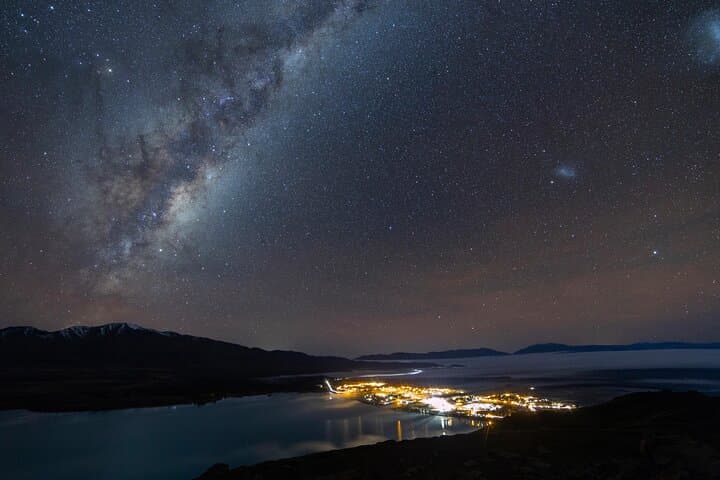
Set on Mount John above Lake Tekapo, this summit experience sits inside the Aoraki Mackenzie International Dark Sky Reserve, the Southern Hemisphere’s largest Gold‑status reserve. The Mackenzie Basin’s glacial lakes and wide-open plains carve a geological bowl that keeps light pollution low; the University of Canterbury runs a research centre at the summit that has supported southern-hemisphere astronomy for decades. Local Ngāi Tahu place names and the alpine skyline nod to a landscape shaped by ice and tectonics as much as by human inquiry.
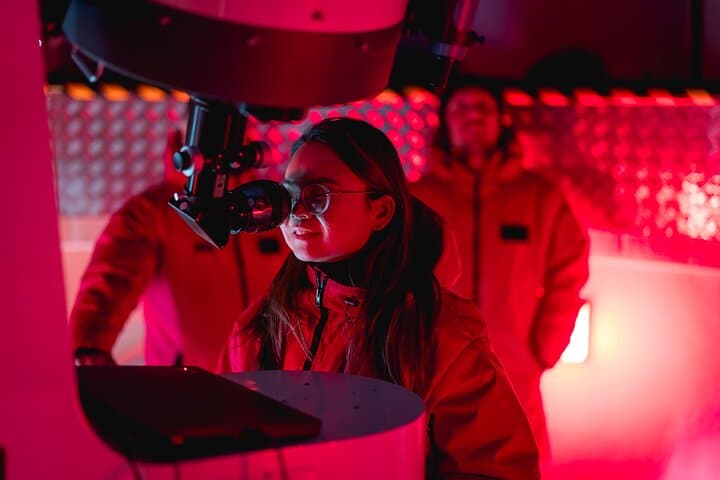
Practically, the guided experience runs about 105 minutes and includes return transport from Tekapo township, access to advanced observatory telescopes, and laser‑guided naked‑eye sessions. Groups are small—around 22 people—so you get time at the eyepiece; extreme cold-weather jackets are provided but you should still layer up. Expect clear-sky dependence: cloudy nights can mean an alternate indoor presentation or cancellation. Bring a warm hat, sturdy shoes for the short uphill, and a tripod if you plan dedicated astrophotography (check guide rules first). Plan your visit around moon phases for the best Milky Way views, arrive early to acclimatize, and leave bright lights behind—this is one of the planet’s premier places to watch the Southern Sky take charge.
easy.
1 hour 45 minutes.
No special fitness required; participants should be able to walk a short uphill service road and stand outdoors in cold conditions.
The experience lasts about 105 minutes and includes return transport from Lake Tekapo, summit access, guided naked‑eye and telescope viewing, and extreme cold-weather jackets.
Tours are weather‑dependent; cloudy conditions can lead to cancellation or an alternate indoor presentation—refunds are available if canceled within the stated policy window.
The tour is generally suitable for most fitness levels, but the summit involves a short uphill and uneven surfaces; travelers with significant mobility issues should check in advance and may be advised the tour is not suitable.
Casual smartphone photos are common, but dedicated astrophotography often requires separate setup; check with guides about tripod placement and any restrictions before mounting gear.
The Mount John summit hosts a University of Canterbury research centre and has been an important site for southern-hemisphere astronomical observation for decades.
The Aoraki Mackenzie Dark Sky Reserve restricts artificial light and promotes responsible viewing; stay on paths and avoid bright torches to protect nighttime ecology and viewing quality.
Dark Sky Project operates guided outdoor trips and adventures with an emphasis on safety, stewardship, and memorable experiences.
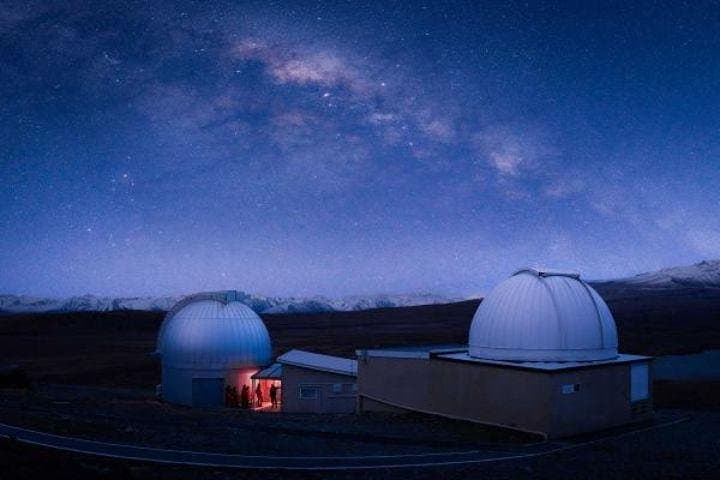
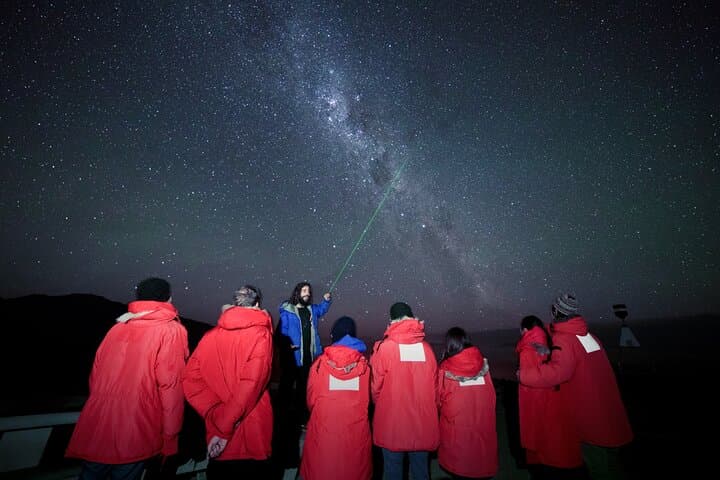
You climb a short service road, the air thinning and sharpening at 1,029 metres, until the observatory dome catches the last light. The town’s glow falls away and the sky stretches—deep, black and crowded with stars. A guide sweeps a laser pointer through constellations while a telescope yawns open, framing the Milky Way and planets that seem close enough to touch.
You climb a short service road, the air thinning and sharpening at 1,029 metres, until the observatory dome catches the last light. The town’s glow falls away and the sky stretches—deep, black and crowded with stars. A guide sweeps a laser pointer through constellations while a telescope yawns open, framing the Milky Way and planets that seem close enough to touch.
Set on Mount John above Lake Tekapo, this summit experience sits inside the Aoraki Mackenzie International Dark Sky Reserve, the Southern Hemisphere’s largest Gold‑status reserve. The Mackenzie Basin’s glacial lakes and wide-open plains carve a geological bowl that keeps light pollution low; the University of Canterbury runs a research centre at the summit that has supported southern-hemisphere astronomy for decades. Local Ngāi Tahu place names and the alpine skyline nod to a landscape shaped by ice and tectonics as much as by human inquiry.
Practically, the guided experience runs about 105 minutes and includes return transport from Tekapo township, access to advanced observatory telescopes, and laser‑guided naked‑eye sessions. Groups are small—around 22 people—so you get time at the eyepiece; extreme cold-weather jackets are provided but you should still layer up. Expect clear-sky dependence: cloudy nights can mean an alternate indoor presentation or cancellation. Bring a warm hat, sturdy shoes for the short uphill, and a tripod if you plan dedicated astrophotography (check guide rules first). Plan your visit around moon phases for the best Milky Way views, arrive early to acclimatize, and leave bright lights behind—this is one of the planet’s premier places to watch the Southern Sky take charge.