THE ADVENTURE COLLECTIVE® · Independent discovery and booking for outdoor travel

Ride a cable car into sheer granite ridges and hike between Huashan’s five peaks—each peak offering a distinct viewpoint and a slice of Taoist history. This full-day tour lets you experience dramatic exposure without committing to the full base ascent.
Ride a cable car into sheer granite ridges and hike between Huashan’s five peaks—each peak offering a distinct viewpoint and a slice of Taoist history. This full-day tour lets you experience dramatic exposure without committing to the full base ascent.
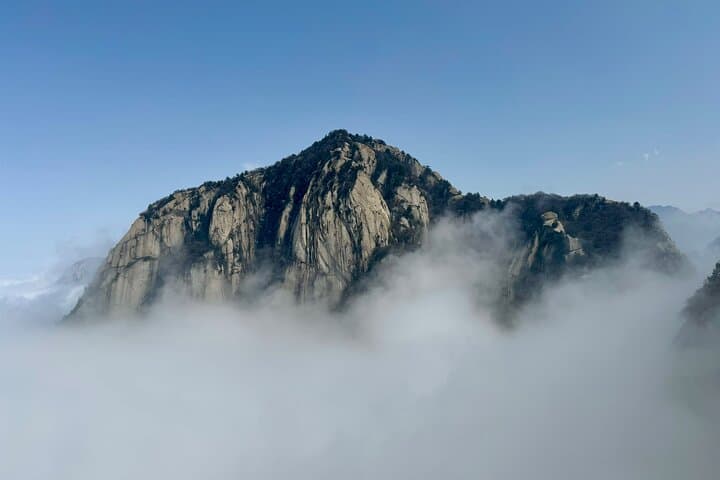
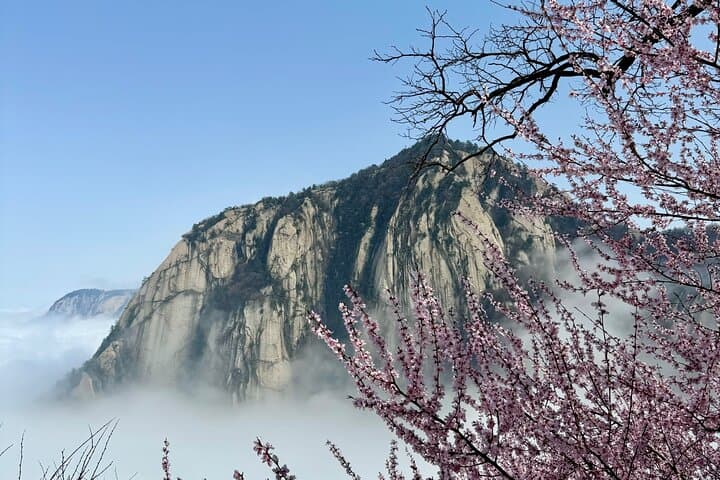
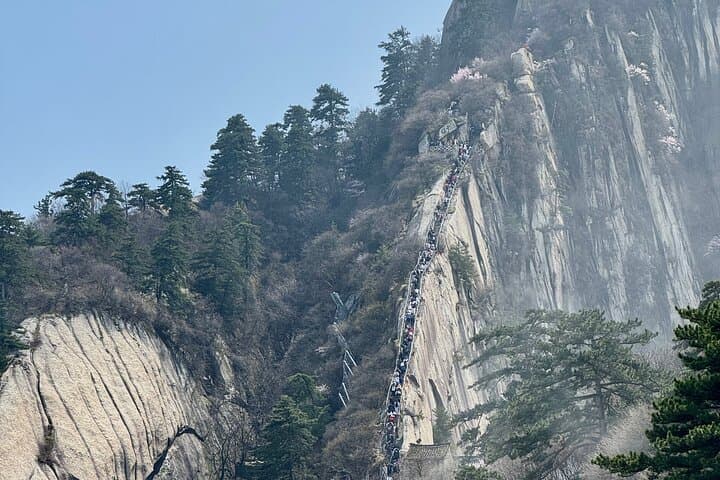
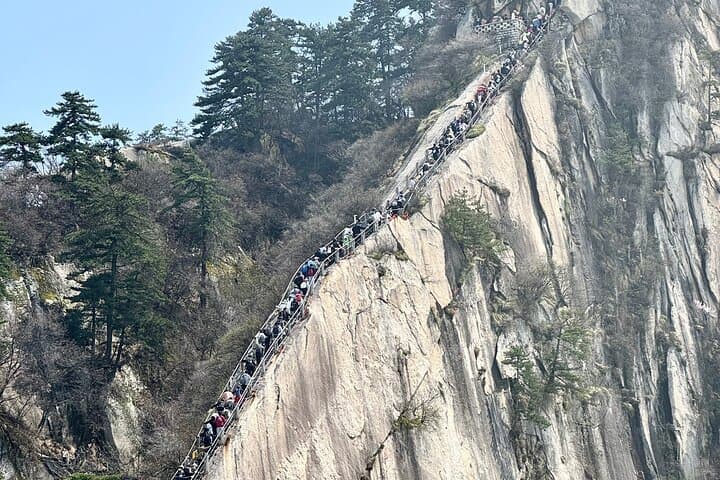
You step out of the cable car into a world of cliffs and wind—granite faces that rise like pages of an old book, stairways carved and hewn by centuries of pilgrims. Huashan’s ridgelines are narrow and sudden; the path alternates between stone steps, hairline aisles, and sudden overlooks where the air pushes at your jacket and the valley drops away.
Verified experiences and guided adventures in the surrounding area.
Operated by Epic China Tours · Huayin, Shaanxi
You step out of the cable car into a world of cliffs and wind—granite faces that rise like pages of an old book, stairways carved and hewn by centuries of pilgrims. Huashan’s ridgelines are narrow and sudden; the path alternates between stone steps, hairline aisles, and sudden overlooks where the air pushes at your jacket and the valley drops away.
This is one of China’s Five Great Mountains, a Taoist stronghold where temples such as Jade Spring and Xiyue sit against sheer rock. Geologically, Huashan is a massif of hard granite sculpted into knife-edged spurs. Culture here is practiced in small shrines and incense-stained pavilions; legend and ritual thread the trails. The North Peak is the common gateway, East Peak rewards early risers with sunrise, and South Peak — at 2,154 meters — dominates the skyline.
Expect steep stone staircases, exposed ridges and short sections of fixed chain; the Plank Walk is famous for its exposure and requires steady feet and a cool head. A full-day tour typically uses the cable cars for ascent and descent, concentrating effort on peak-to-peak traverses rather than long base climbs.
Practicalities: start early to avoid crowds and afternoon haze, carry 1–2 liters of water, wear grippy hiking shoes, and be ready for sudden wind and temperature shifts. If you’re uncomfortable with heights, use cable cars to limit exposure. Respect temple areas, don’t feed wildlife, and give yourself time to move deliberately—the mountain rewards attention, not haste.
moderate.
6–8 hours.
Suitable for hikers in good general health who can handle steep stairs and short exposed sections; not recommended for those with severe vertigo or heart conditions.
Most full-day tours include cable car tickets for ascent or descent—confirm on booking, as operators sometimes offer different options.
Yes, the cable car reduces the toughest climbing, but the trails include steep steps and exposed sections; beginners should proceed cautiously and avoid the Plank Walk if uncomfortable.
Distances vary by route; expect several kilometers of walking across stairways and ridgelines spread over a few hours during a full-day tour.
The plank sections are exposed and not recommended for small children; families should use cable-car access and stick to less exposed viewpoints.
Huashan has been a Taoist pilgrimage site for over a thousand years; temples and hermitages dot the routes and many stone inscriptions record past pilgrims.
High visitor numbers strain trails and local resources—stay on marked paths, pack out waste, and avoid feeding wildlife to reduce impact.
Epic China Tours operates guided outdoor trips and adventures with an emphasis on safety, stewardship, and memorable experiences.
You step out of the cable car into a world of cliffs and wind—granite faces that rise like pages of an old book, stairways carved and hewn by centuries of pilgrims. Huashan’s ridgelines are narrow and sudden; the path alternates between stone steps, hairline aisles, and sudden overlooks where the air pushes at your jacket and the valley drops away.
You step out of the cable car into a world of cliffs and wind—granite faces that rise like pages of an old book, stairways carved and hewn by centuries of pilgrims. Huashan’s ridgelines are narrow and sudden; the path alternates between stone steps, hairline aisles, and sudden overlooks where the air pushes at your jacket and the valley drops away.
This is one of China’s Five Great Mountains, a Taoist stronghold where temples such as Jade Spring and Xiyue sit against sheer rock. Geologically, Huashan is a massif of hard granite sculpted into knife-edged spurs. Culture here is practiced in small shrines and incense-stained pavilions; legend and ritual thread the trails. The North Peak is the common gateway, East Peak rewards early risers with sunrise, and South Peak — at 2,154 meters — dominates the skyline.
Expect steep stone staircases, exposed ridges and short sections of fixed chain; the Plank Walk is famous for its exposure and requires steady feet and a cool head. A full-day tour typically uses the cable cars for ascent and descent, concentrating effort on peak-to-peak traverses rather than long base climbs.
Practicalities: start early to avoid crowds and afternoon haze, carry 1–2 liters of water, wear grippy hiking shoes, and be ready for sudden wind and temperature shifts. If you’re uncomfortable with heights, use cable cars to limit exposure. Respect temple areas, don’t feed wildlife, and give yourself time to move deliberately—the mountain rewards attention, not haste.