THE ADVENTURE COLLECTIVE® · Independent discovery and booking for outdoor travel

Walk Mount Holly’s streets with a guide who links the Burlington County Prison, colonial Quaker sites and Mill Race Village into a focused one-hour story. This accessible, flat loop is rich in civic history and local flavor.
Walk Mount Holly’s streets with a guide who links the Burlington County Prison, colonial Quaker sites and Mill Race Village into a focused one-hour story. This accessible, flat loop is rich in civic history and local flavor.
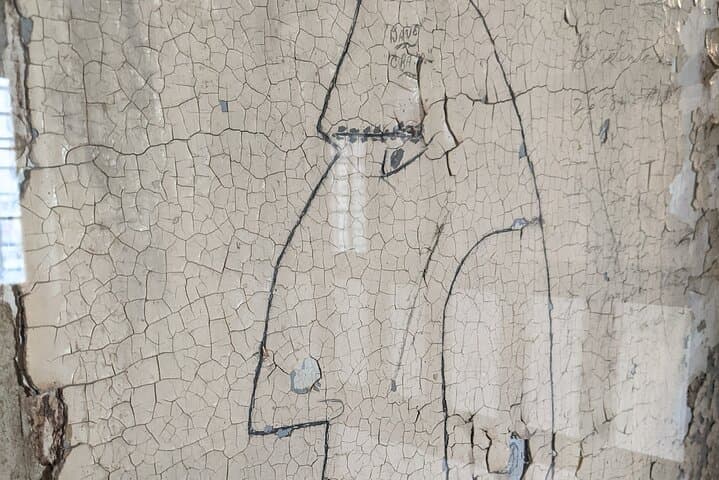
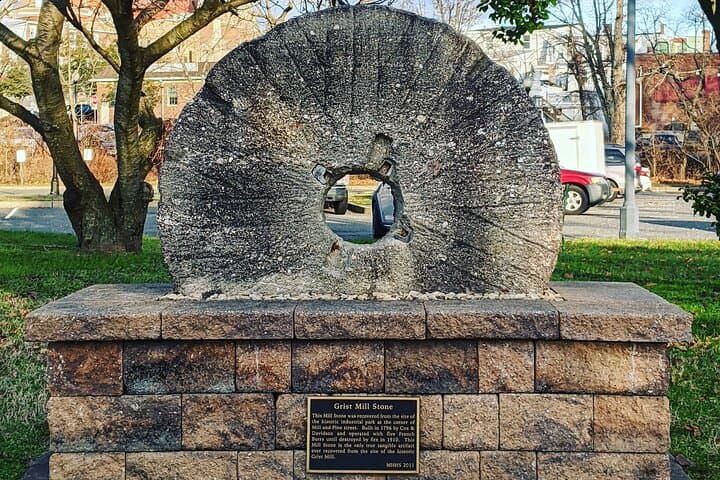
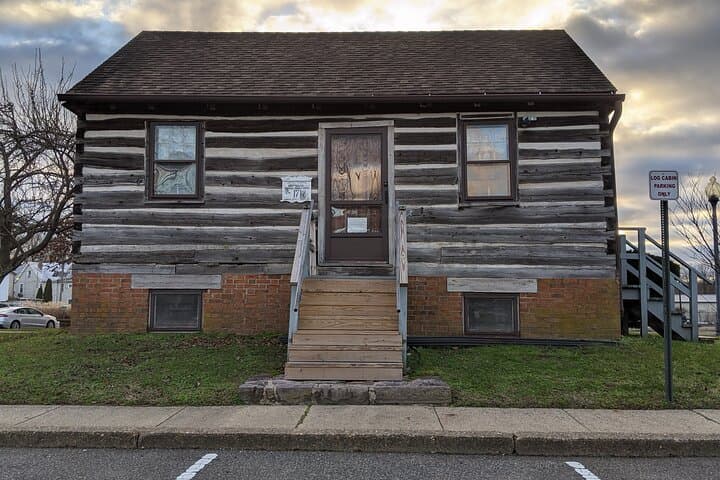
A cool morning on the lawn outside the Burlington County Prison Museum sets the scene: brick facades, a narrow main street, and the low murmur of Rancocas Creek nearby. Guides steer small groups down High Street, pausing at wooden signs, iron plaques and storefronts that still carry the imprint of 18th- and 19th-century life.
Verified experiences and guided adventures in the surrounding area.
Operated by Mount Holly Tours · Mount Holly, New Jersey
A cool morning on the lawn outside the Burlington County Prison Museum sets the scene: brick facades, a narrow main street, and the low murmur of Rancocas Creek nearby. Guides steer small groups down High Street, pausing at wooden signs, iron plaques and storefronts that still carry the imprint of 18th- and 19th-century life.
This one-hour route threads local history with civic storylines — Quaker settlers who staked claims here in the 1680s, the old Friends Meeting House, and an early schoolhouse that predates modern public education. The prison itself speaks to penal history and 19th-century civic architecture; beyond the buildings, the flat coastal-plain geology and the creek’s floodplain shaped where mills and bridges were sited.
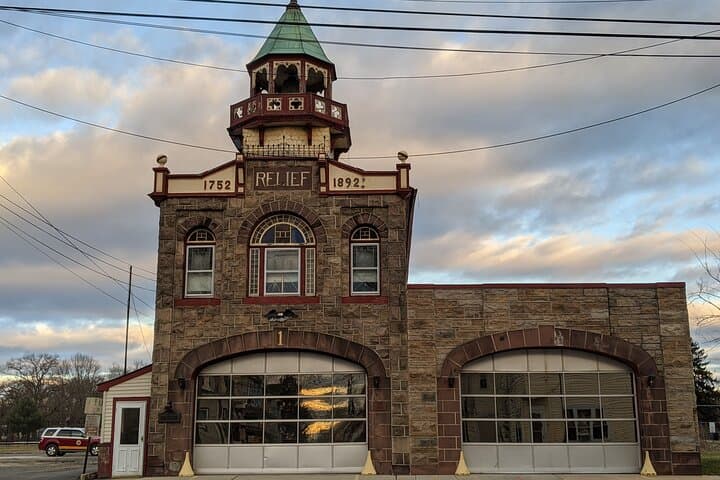
Culturally the walk moves from civic institutions to everyday life: volunteer firefighters at Britannia Fire Company, breweries that carry a colonial brewing tradition, and Mill Race Village’s repurposed commercial blocks where small shops and cafés now sit.
Practical guide: the loop is roughly 0.8–1 mile on paved sidewalks with minimal elevation gain — accessible and stroller-friendly. Expect stops every 8–12 minutes at points of interest, some with brief interior visits. Wear sturdy shoes for cobblestones and curbs, carry water in summer, and allow a relaxed pace if you want to ask questions. Public transit options and limited street parking are near the meeting spot; tours run rain or shine but may cancel for severe weather. Finish with time to sample local fare in Mill Race Village — the tour primes you for the town’s living history, not just its plaques.
easy.
1 hour.
Suitable for most fitness levels; mobility devices and strollers can generally be accommodated but expect some street crossings.
The guided route lasts about 60 minutes with multiple short stops; allow extra time if you plan to shop or eat afterward.
Yes — sidewalks and meeting points are accessible, though some interior stops may have limited capacity; notify the operator of special requirements when booking.
Yes — the tour is family-friendly and suitable for children, including strollers.
No; mobile or printed tickets are accepted — just show your confirmation to the guide at the start.
Mount Holly grew from 17th‑century Quaker landholdings into Burlington County’s civic center; many surviving buildings reflect its role as a small-colonial port and county seat.
This downtown walk benefits from local preservation efforts; visitors can support conservation by staying on marked paths, patronizing local businesses and respecting historic interiors.
Mount Holly Tours operates guided outdoor trips and adventures with an emphasis on safety, stewardship, and memorable experiences.
A cool morning on the lawn outside the Burlington County Prison Museum sets the scene: brick facades, a narrow main street, and the low murmur of Rancocas Creek nearby. Guides steer small groups down High Street, pausing at wooden signs, iron plaques and storefronts that still carry the imprint of 18th- and 19th-century life.
A cool morning on the lawn outside the Burlington County Prison Museum sets the scene: brick facades, a narrow main street, and the low murmur of Rancocas Creek nearby. Guides steer small groups down High Street, pausing at wooden signs, iron plaques and storefronts that still carry the imprint of 18th- and 19th-century life.
This one-hour route threads local history with civic storylines — Quaker settlers who staked claims here in the 1680s, the old Friends Meeting House, and an early schoolhouse that predates modern public education. The prison itself speaks to penal history and 19th-century civic architecture; beyond the buildings, the flat coastal-plain geology and the creek’s floodplain shaped where mills and bridges were sited.
Culturally the walk moves from civic institutions to everyday life: volunteer firefighters at Britannia Fire Company, breweries that carry a colonial brewing tradition, and Mill Race Village’s repurposed commercial blocks where small shops and cafés now sit.
Practical guide: the loop is roughly 0.8–1 mile on paved sidewalks with minimal elevation gain — accessible and stroller-friendly. Expect stops every 8–12 minutes at points of interest, some with brief interior visits. Wear sturdy shoes for cobblestones and curbs, carry water in summer, and allow a relaxed pace if you want to ask questions. Public transit options and limited street parking are near the meeting spot; tours run rain or shine but may cancel for severe weather. Finish with time to sample local fare in Mill Race Village — the tour primes you for the town’s living history, not just its plaques.