THE ADVENTURE COLLECTIVE® · Independent discovery and booking for outdoor travel

Take a three-hour guided 4WD into Mount Hay Station’s high-country pastures for stream crossings, sweeping lake views, and a close look at 150 years of Merino sheep farming. Small groups and local guides make this an accessible taste of South Island station life.
Take a three-hour guided 4WD into Mount Hay Station’s high-country pastures for stream crossings, sweeping lake views, and a close look at 150 years of Merino sheep farming. Small groups and local guides make this an accessible taste of South Island station life.
The first turn off the sealed road is sudden: the 4WD noses into a ribbon of dust and tussock, and the village hum of Lake Tekapo falls away. Within minutes the station opens into big-sky country — a patchwork of rolling pastures, weathered fencing, and hulking alpine slopes that seem to lean in to watch you pass. Guides ease the Land Cruiser up a steeper gouge in the track; the vehicle rocks and the world widens. Edward Stream pats the tires and the valley exhales.
Verified experiences and guided adventures in the surrounding area.
Operated by Go Tekapo · Lake Tekapo, Canterbury
The first turn off the sealed road is sudden: the 4WD noses into a ribbon of dust and tussock, and the village hum of Lake Tekapo falls away. Within minutes the station opens into big-sky country — a patchwork of rolling pastures, weathered fencing, and hulking alpine slopes that seem to lean in to watch you pass. Guides ease the Land Cruiser up a steeper gouge in the track; the vehicle rocks and the world widens. Edward Stream pats the tires and the valley exhales.
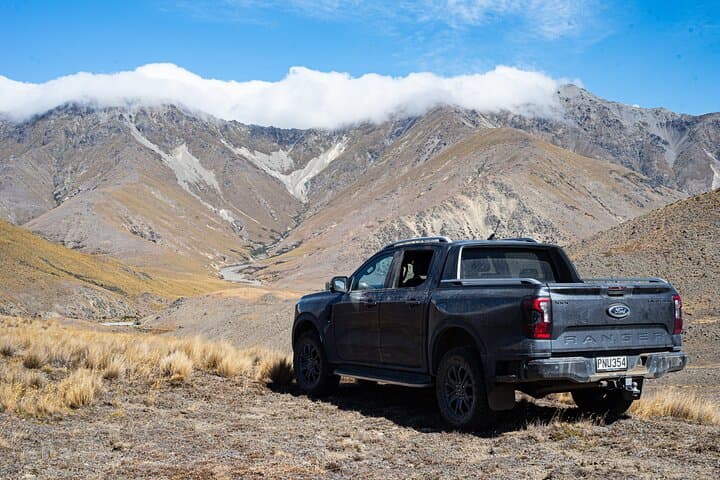
This is Mt Hay Station, a working Merino sheep run with roots that go back roughly 150 years. The property helped shape the region’s high-country pastoral identity: fences, shepherding sheds, and dovecotes remain practical features of a landscape carved by runholders, not theme-park props. Geologically, Tekapo sits on schist and greywacke folded and faulted by millennia of tectonics; the nearby Southern Alps push the weather sharply, driving dramatic light and sudden wind that can rearrange a day.
Culturally the station sits close to both Maori travel routes and the later European high-country story — the rhythms here are seasonal and work-focused. Guides on the tour often share anecdotes about mustering in high summer and the precise art of reading sheep movements, which adds texture to the route beyond the vistas.
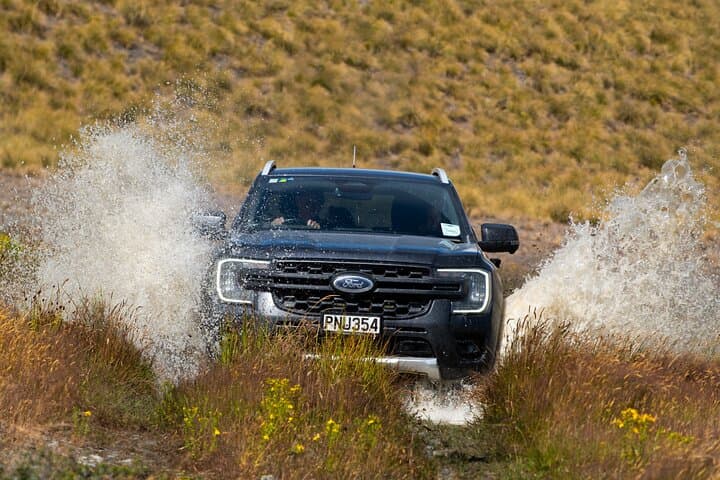
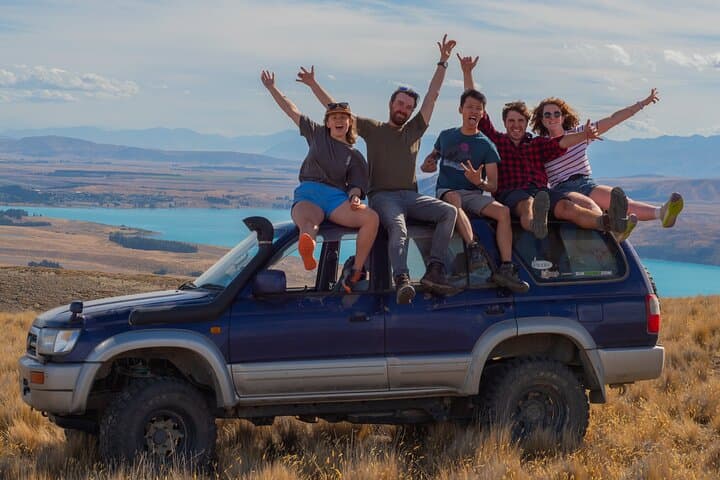
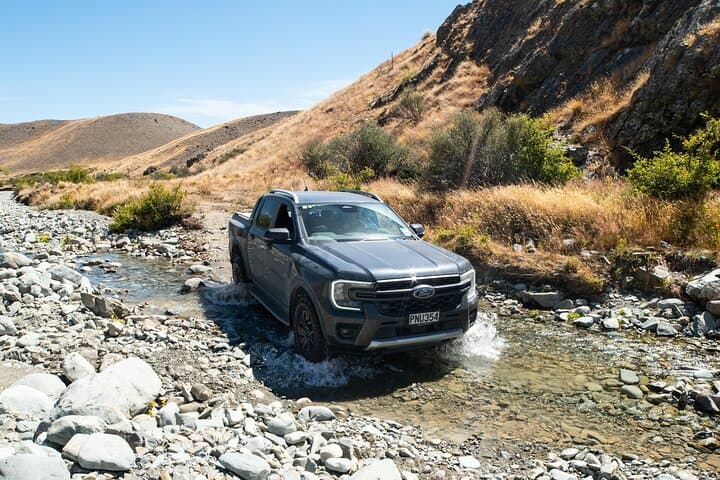
Expect three hours of off-road driving with short stops for photos and station insights. Tracks range from hard-packed farm road to rougher 4WD ruts that require low-range gears; you’ll cross shallow stream beds and climb to viewpoints that look back over Lake Tekapo’s milky blue water and the spinal line of surrounding peaks.
Practical notes: wear sturdy, closed shoes (there’s light walking), layered outerwear for sudden wind or sun, and a sun hat — the high country delivers intense UV. Bring a camera with a zoom for sheep and birdlife, and a small daypack for water. The operator allows service animals and keeps groups small (max four), which preserves the station’s working flow and minimizes disturbance.
Safety and etiquette are straightforward — stay with the vehicle unless directed, obey the guide near animals and gates, and respect farm biosecurity: leave boots and gear clean if requested. The tour is a tidy three-hour window to experience high-country sheep farming, river crossings, and expansive panoramas without needing advanced fitness or technical skills.
For photographers, the best light is low: early morning or late afternoon wells up color in the hills and adds relief to the lake’s blue. If you want to feel the raw, working landscape, let the 4WD take you into the bends; here the land is not a background but an active presence, nudging the itinerary and rewarding those who look closely.
moderate.
3 hours.
No advanced fitness required; be comfortable with short, uneven walks and entering/exiting a 4WD vehicle.
Check-in is at the Kiwi Treasure office in Lake Tekapo village; confirm exact meeting instructions on your voucher.
Yes—families are welcome, but children should be able to remain seated in the vehicle for portions of the drive and follow guide instructions near animals.
Service animals are allowed; other pets are not recommended on working farmland due to stock and biosecurity concerns.
Walking is minimal and short—mainly to viewpoints and photo stops—so normal mobility is sufficient.
Tours run in a range of conditions; if cancellation is necessary, full refunds apply for cancellations made at least 24 hours in advance.
Basic facilities are available at the station and in Lake Tekapo village; guides will advise when stops are planned.
Mt Hay Station is a 150-year-old working Merino property that reflects the South Island’s high-country pastoral heritage and seasonal mustering traditions.
Operators emphasize low-impact access: stay on vehicle tracks, avoid disturbing stock, and follow biosecurity measures to protect fragile alpine ecosystems.
Go Tekapo operates guided outdoor trips and adventures with an emphasis on safety, stewardship, and memorable experiences.
The first turn off the sealed road is sudden: the 4WD noses into a ribbon of dust and tussock, and the village hum of Lake Tekapo falls away. Within minutes the station opens into big-sky country — a patchwork of rolling pastures, weathered fencing, and hulking alpine slopes that seem to lean in to watch you pass. Guides ease the Land Cruiser up a steeper gouge in the track; the vehicle rocks and the world widens. Edward Stream pats the tires and the valley exhales.
The first turn off the sealed road is sudden: the 4WD noses into a ribbon of dust and tussock, and the village hum of Lake Tekapo falls away. Within minutes the station opens into big-sky country — a patchwork of rolling pastures, weathered fencing, and hulking alpine slopes that seem to lean in to watch you pass. Guides ease the Land Cruiser up a steeper gouge in the track; the vehicle rocks and the world widens. Edward Stream pats the tires and the valley exhales.
This is Mt Hay Station, a working Merino sheep run with roots that go back roughly 150 years. The property helped shape the region’s high-country pastoral identity: fences, shepherding sheds, and dovecotes remain practical features of a landscape carved by runholders, not theme-park props. Geologically, Tekapo sits on schist and greywacke folded and faulted by millennia of tectonics; the nearby Southern Alps push the weather sharply, driving dramatic light and sudden wind that can rearrange a day.
Culturally the station sits close to both Maori travel routes and the later European high-country story — the rhythms here are seasonal and work-focused. Guides on the tour often share anecdotes about mustering in high summer and the precise art of reading sheep movements, which adds texture to the route beyond the vistas.
Expect three hours of off-road driving with short stops for photos and station insights. Tracks range from hard-packed farm road to rougher 4WD ruts that require low-range gears; you’ll cross shallow stream beds and climb to viewpoints that look back over Lake Tekapo’s milky blue water and the spinal line of surrounding peaks.
Practical notes: wear sturdy, closed shoes (there’s light walking), layered outerwear for sudden wind or sun, and a sun hat — the high country delivers intense UV. Bring a camera with a zoom for sheep and birdlife, and a small daypack for water. The operator allows service animals and keeps groups small (max four), which preserves the station’s working flow and minimizes disturbance.
Safety and etiquette are straightforward — stay with the vehicle unless directed, obey the guide near animals and gates, and respect farm biosecurity: leave boots and gear clean if requested. The tour is a tidy three-hour window to experience high-country sheep farming, river crossings, and expansive panoramas without needing advanced fitness or technical skills.
For photographers, the best light is low: early morning or late afternoon wells up color in the hills and adds relief to the lake’s blue. If you want to feel the raw, working landscape, let the 4WD take you into the bends; here the land is not a background but an active presence, nudging the itinerary and rewarding those who look closely.