THE ADVENTURE COLLECTIVE® · Independent discovery and booking for outdoor travel

An all-day ascent into the Virunga Massif from Kigali, the Mount Gahinga day hike threads bamboo forests, volcanic slopes and a peat-filled summit caldera. Expect long drives, a sustained climb, and prime opportunities to spot golden monkeys and highland birds.
An all-day ascent into the Virunga Massif from Kigali, the Mount Gahinga day hike threads bamboo forests, volcanic slopes and a peat-filled summit caldera. Expect long drives, a sustained climb, and prime opportunities to spot golden monkeys and highland birds.
You step out before dawn in Kigali, the city lights still low, and the road quickly becomes a ribbon of rising hills. By the time the Virunga peaks pierce the morning mist, your guide has already set the tempo: steady, observant, respectful of the fragile montane world you're entering.
Verified experiences and guided adventures in the surrounding area.
Operated by Gorilla Hub Safaris · Kinigi, Northern Province
You step out before dawn in Kigali, the city lights still low, and the road quickly becomes a ribbon of rising hills. By the time the Virunga peaks pierce the morning mist, your guide has already set the tempo: steady, observant, respectful of the fragile montane world you're entering.
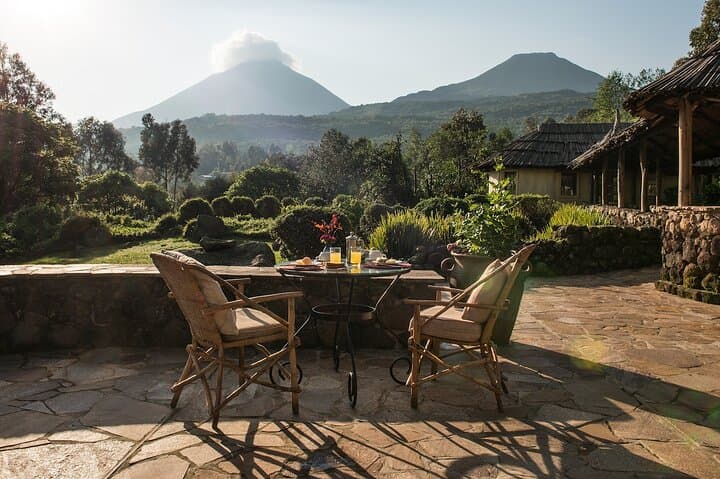
Mount Gahinga sits on the eastern edge of the Virunga Massif — a chain of extinct and active volcanoes shaped by plate tectonics and volcanic uplift. Century-old trails cross bamboo groves and volcanic scree before opening onto a shallow summit caldera dominated by a peat-swamp meadow and high-altitude flora found nowhere else in East Africa. The region carries layers of local history: pastoral communities who have grazed cattle on the high slopes and cross-border cultures that read the landscape for rains and grazing patterns.
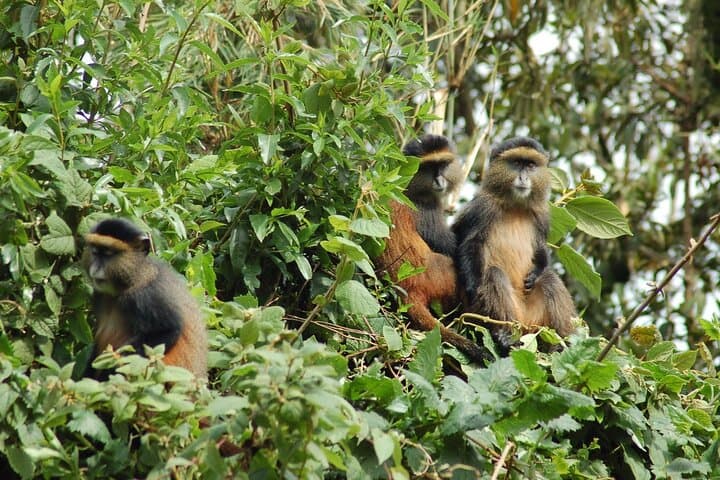
Expect a full day: a roughly three-hour transfer from Kigali to Kinigi, a 6–7 hour round-trip hike, and a return drive, totaling about 12–14 hours. Trails range from packed dirt to steep, wet volcanic soil with bamboo sections that can be slick after rain. Wildlife here has personality — golden monkeys will flicker through the canopy, and shy duikers may pause to judge you before melting away.
Practical guidance: wear sturdy, waterproof boots with good grip, layer for rapid temperature swings, and bring 1–2 liters of water plus a packed lunch (provided on guided trips). Pace the ascent — steady breathing and short breaks reduce fatigue and improve your chances of wildlife sightings. Carry rain protection year-round; the Virunga weather can change in minutes.
moderate.
12–14 hours total (6–7 hours hiking).
Good cardiovascular fitness for sustained uphill walking and several hours on uneven terrain; prior day-hikes helpful
A park entry fee is required and is typically handled by the tour operator; confirm that entrance fees are included when booking.
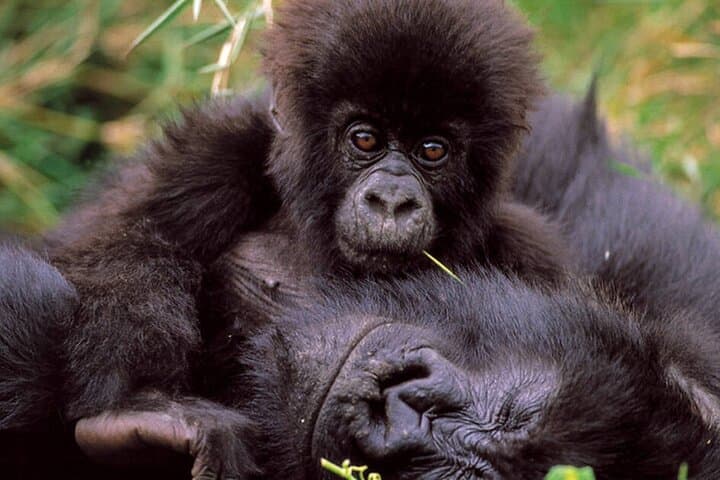
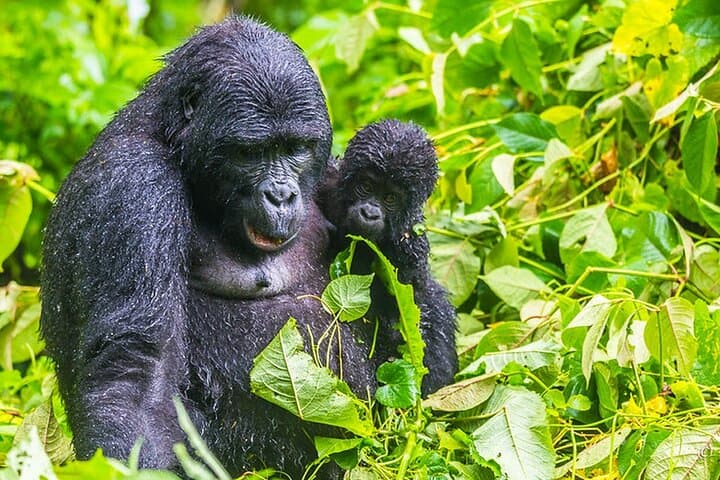
Mgahinga is home to mountain gorillas, but gorilla trekking is a separate, permit-based activity; the day hike may offer distant sightings of primates like golden monkeys, not guaranteed gorilla encounters.
Expect a moderately strenuous 6–7 hour round-trip hike with uneven, sometimes steep terrain and an elevation gain of roughly 800–1,000 meters, depending on the route.
Typical inclusions are hotel pickup/drop-off, transport, park entrance fees, a guide or ranger, lunch and bottled water; verify specifics with your tour operator.
The Virunga Massif has long been a crossroads for pastoral communities and borderland trade; the mountains’ slopes have been used for grazing and local rituals for generations.
Mgahinga and the broader Virunga region are conservation priorities — responsible tourism supports park management and local livelihoods while minimizing disturbance to wildlife.
Gorilla Hub Safaris operates guided outdoor trips and adventures with an emphasis on safety, stewardship, and memorable experiences.
You step out before dawn in Kigali, the city lights still low, and the road quickly becomes a ribbon of rising hills. By the time the Virunga peaks pierce the morning mist, your guide has already set the tempo: steady, observant, respectful of the fragile montane world you're entering.
You step out before dawn in Kigali, the city lights still low, and the road quickly becomes a ribbon of rising hills. By the time the Virunga peaks pierce the morning mist, your guide has already set the tempo: steady, observant, respectful of the fragile montane world you're entering.
Mount Gahinga sits on the eastern edge of the Virunga Massif — a chain of extinct and active volcanoes shaped by plate tectonics and volcanic uplift. Century-old trails cross bamboo groves and volcanic scree before opening onto a shallow summit caldera dominated by a peat-swamp meadow and high-altitude flora found nowhere else in East Africa. The region carries layers of local history: pastoral communities who have grazed cattle on the high slopes and cross-border cultures that read the landscape for rains and grazing patterns.
Expect a full day: a roughly three-hour transfer from Kigali to Kinigi, a 6–7 hour round-trip hike, and a return drive, totaling about 12–14 hours. Trails range from packed dirt to steep, wet volcanic soil with bamboo sections that can be slick after rain. Wildlife here has personality — golden monkeys will flicker through the canopy, and shy duikers may pause to judge you before melting away.
Practical guidance: wear sturdy, waterproof boots with good grip, layer for rapid temperature swings, and bring 1–2 liters of water plus a packed lunch (provided on guided trips). Pace the ascent — steady breathing and short breaks reduce fatigue and improve your chances of wildlife sightings. Carry rain protection year-round; the Virunga weather can change in minutes.