THE ADVENTURE COLLECTIVE® · Independent discovery and booking for outdoor travel

Spend a long day traveling from Tokyo to see Kamakura’s Great Buddha, the crystal ponds of Oshino Hakkai and a scenic cruise on Lake Ashi with views of Mount Fuji when weather allows. This bus tour mixes cultural sites and volcanic landscapes with flexible options for lunch and a lake cruise.
Spend a long day traveling from Tokyo to see Kamakura’s Great Buddha, the crystal ponds of Oshino Hakkai and a scenic cruise on Lake Ashi with views of Mount Fuji when weather allows. This bus tour mixes cultural sites and volcanic landscapes with flexible options for lunch and a lake cruise.
You step off the coach and the air sharpens: rice paddies and cedar forest give way to a view that can stop a roomful of travelers. Mount Fuji stands beyond the green, its profile alternating between ghostlike and perfectly defined depending on wind and cloud. The tour threads together Kamakura’s bronze Daibutsu, the volcanic basin of Hakone and the glass-clear ponds of Oshino Hakkai, moving from coastal shrine culture to alpine calm in one long day.
Verified experiences and guided adventures in the surrounding area.
Operated by Amigo Tours Japan · Tokyo, Tokyo
You step off the coach and the air sharpens: rice paddies and cedar forest give way to a view that can stop a roomful of travelers. Mount Fuji stands beyond the green, its profile alternating between ghostlike and perfectly defined depending on wind and cloud. The tour threads together Kamakura’s bronze Daibutsu, the volcanic basin of Hakone and the glass-clear ponds of Oshino Hakkai, moving from coastal shrine culture to alpine calm in one long day.
Kamakura’s Great Buddha dates to the 13th century and survived storms and tides by shifting from hall to open sky. Mount Fuji itself is a stratovolcano whose last major eruption reshaped the surrounding lakes and fed the springs that form Oshino Hakkai. Lake Ashi is a relatively young caldera lake ringed by cedars; centuries of pilgrimage and art have made this corridor both sacred and scenic.
Practically: this is an 11-hour, bus-led day with multiple short stops and optional add-ons (cruise, museum, lunch). Expect frequent photo opportunities, limited time at each site and variable visibility for Fuji. Bring layered clothing for temperature swings between seaside Kamakura and higher-elevation Hakone, and carry small change — some vendors are cash-only. Hydrate and wear comfortable walking shoes: surfaces range from temple gravel to paved lakeside paths.
Timing matters. Clear mornings and late autumn/winter often deliver the best Fuji views, while summer brings haze. If the mountain is shrouded, the itinerary still offers cultural depth: the Daibutsu, shrine gates, spring-fed ponds and a brief, atmospheric cruise on Lake Ashi.
moderate.
11 hours (approx.).
Moderate fitness: you’ll be on your feet for multiple short walks and stairs at temples and viewpoints.
The tour is approximately 11 hours with several short stops; expect a coach-driven pace with 30–90 minute visits at major sites.
No—visibility depends on weather; clear mornings, late autumn and winter have the best chance, but the itinerary still includes significant cultural sites if Fuji is obscured.
Some options include lunch and the Hakone Pirate Ship cruise; check your booking selection—these are often offered as add-ons.
Meeting points are in Tokyo (JR Tokyo Station Marunouchi South Exit or Ginza Inz 2 depending on the option); arrive 15 minutes early for check-in.
Kamakura was the seat of Japan’s first samurai government in the 12th–14th centuries, and Mount Fuji has been a religious symbol and artistic subject for centuries.
Tour routes pass sensitive spring-fed ponds and volcanic slopes—stick to paths, avoid littering and use local waste bins to protect water quality and fragile plant communities.
Amigo Tours Japan operates guided outdoor trips and adventures with an emphasis on safety, stewardship, and memorable experiences.
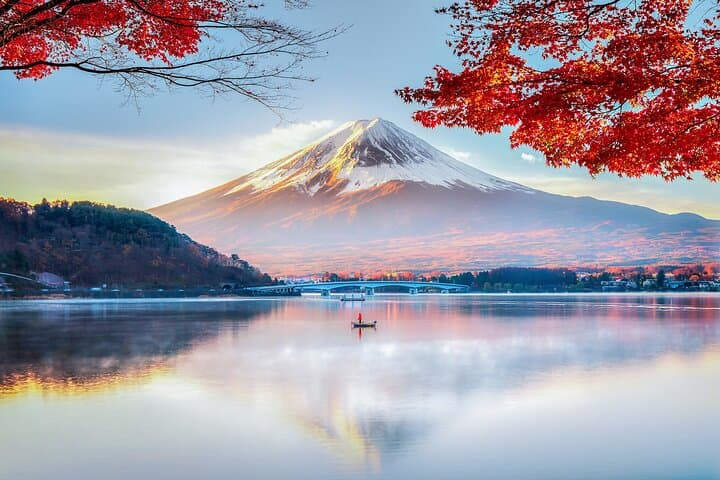
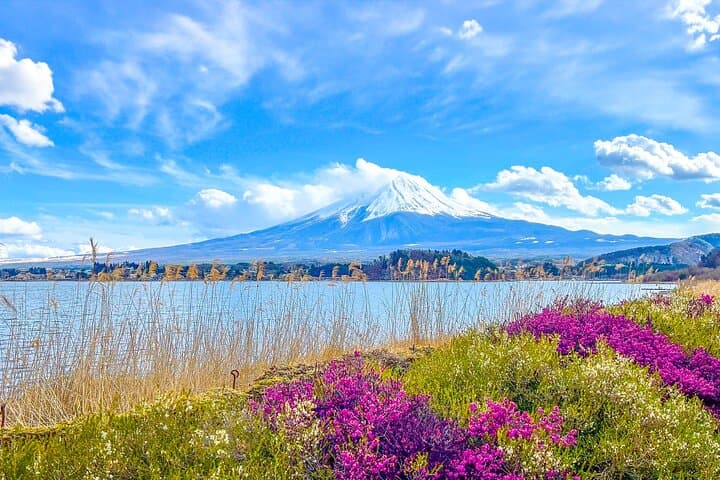
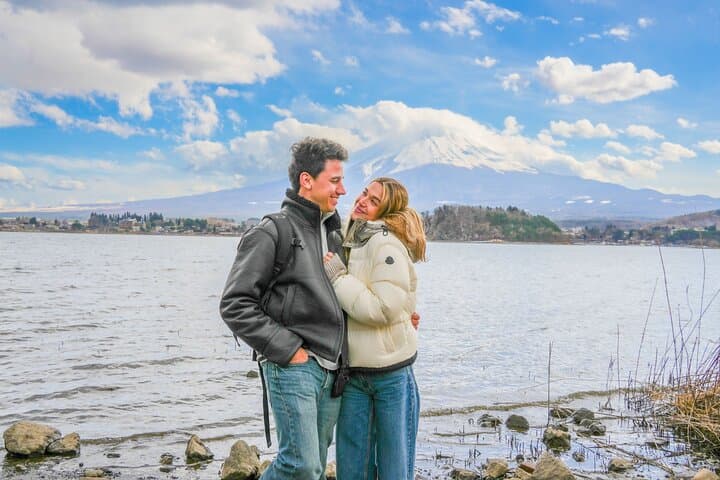
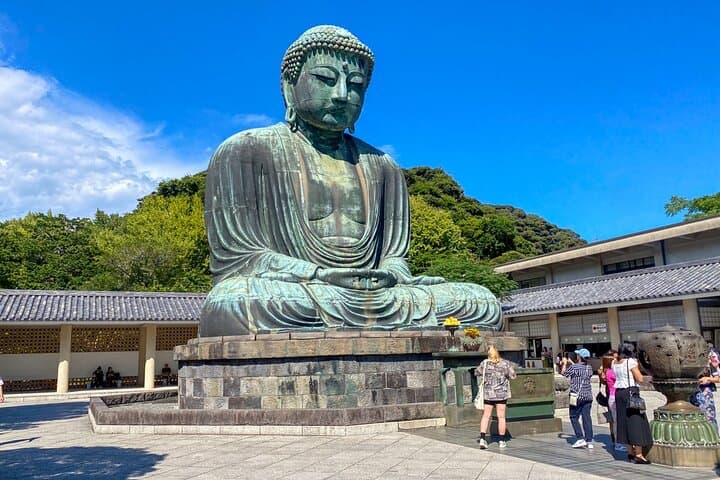
You step off the coach and the air sharpens: rice paddies and cedar forest give way to a view that can stop a roomful of travelers. Mount Fuji stands beyond the green, its profile alternating between ghostlike and perfectly defined depending on wind and cloud. The tour threads together Kamakura’s bronze Daibutsu, the volcanic basin of Hakone and the glass-clear ponds of Oshino Hakkai, moving from coastal shrine culture to alpine calm in one long day.
You step off the coach and the air sharpens: rice paddies and cedar forest give way to a view that can stop a roomful of travelers. Mount Fuji stands beyond the green, its profile alternating between ghostlike and perfectly defined depending on wind and cloud. The tour threads together Kamakura’s bronze Daibutsu, the volcanic basin of Hakone and the glass-clear ponds of Oshino Hakkai, moving from coastal shrine culture to alpine calm in one long day.
Kamakura’s Great Buddha dates to the 13th century and survived storms and tides by shifting from hall to open sky. Mount Fuji itself is a stratovolcano whose last major eruption reshaped the surrounding lakes and fed the springs that form Oshino Hakkai. Lake Ashi is a relatively young caldera lake ringed by cedars; centuries of pilgrimage and art have made this corridor both sacred and scenic.
Practically: this is an 11-hour, bus-led day with multiple short stops and optional add-ons (cruise, museum, lunch). Expect frequent photo opportunities, limited time at each site and variable visibility for Fuji. Bring layered clothing for temperature swings between seaside Kamakura and higher-elevation Hakone, and carry small change — some vendors are cash-only. Hydrate and wear comfortable walking shoes: surfaces range from temple gravel to paved lakeside paths.
Timing matters. Clear mornings and late autumn/winter often deliver the best Fuji views, while summer brings haze. If the mountain is shrouded, the itinerary still offers cultural depth: the Daibutsu, shrine gates, spring-fed ponds and a brief, atmospheric cruise on Lake Ashi.