THE ADVENTURE COLLECTIVE® · Independent discovery and booking for outdoor travel

A focused day trip that stitches together Arakurayama Sengen Park’s Chureito Pagoda, the crystalline ponds of Oshino Hakkai, and Lake Kawaguchi views — ideal for photographers and nature lovers seeking classic Mount Fuji frames. Plan for early starts, a 398-step climb, and seasonal conditions that shape visibility.
A focused day trip that stitches together Arakurayama Sengen Park’s Chureito Pagoda, the crystalline ponds of Oshino Hakkai, and Lake Kawaguchi views — ideal for photographers and nature lovers seeking classic Mount Fuji frames. Plan for early starts, a 398-step climb, and seasonal conditions that shape visibility.
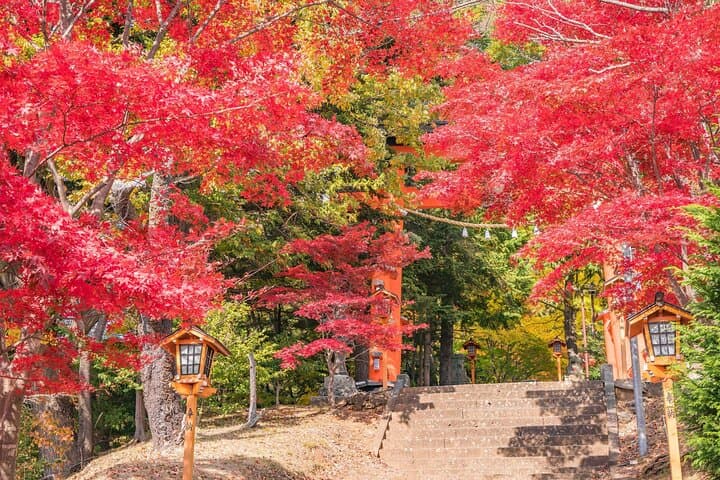
You crest a terrace of stone steps and the pagoda appears — five stories of vermilion poised above the town with Mount Fuji rising behind it. The air is crisp, voices drop to a hush, and for a moment the mountain seems to hold its breath for your photograph.
Verified experiences and guided adventures in the surrounding area.
Operated by TREVOPEDIA · Fujikawaguchiko, Yamanashi Prefecture
You crest a terrace of stone steps and the pagoda appears — five stories of vermilion poised above the town with Mount Fuji rising behind it. The air is crisp, voices drop to a hush, and for a moment the mountain seems to hold its breath for your photograph.
This day trip threads together Fujiyoshida and Kawaguchiko highlights: Arakurayama Sengen Park and the Chureito Pagoda (a wartime memorial on shrine grounds), the mirror-like ponds of Oshino Hakkai fed by Mount Fuji’s filtered snowmelt, and the lakeside blooms at Oishi Park on Lake Kawaguchi. Geology is visible at every turn — volcanic layers that channel meltwater into glass-clear springs and sculpted slopes that shape local settlement patterns. Culturally, these spots are seasonal stages: hanami in spring, lavender in summer, kochia and momiji in autumn. Recent local measures — including a barrier at a viral Lawson storefront — underscore a bigger point: high foot traffic affects residents and viewpoints.
Practical guidance: expect a full, 9–10 hour outing with multiple short walks and one steep stair climb of about 398 steps at Chureito. Aim for early morning light for clear Fuji views; winter mornings often offer the best visibility but colder temps. Bring comfortable walking shoes, a small tripod for low-light shots, cash for local stalls, and patience — popular viewpoints can be crowded. The tour includes round-trip transport from Tokyo and is suitable for most fitness levels, though those with limited mobility should plan around stairs. Respect marked paths, local signage, and photography etiquette to keep these viewpoints accessible for everyone.
easy.
9–10 hours.
Suitable for most travelers who can walk on paved paths and climb stairs; short uphill sections and standing for photos are required.
The tour lasts about 9–10 hours (including transport from Tokyo) and typically includes an in-person guide and round-trip transfers from the meeting point; admissions to paid attractions may not be included.
Many lakeside areas and some park surfaces are accessible, and transportation can be wheelchair-accessible, but the Chureito Pagoda viewpoint requires climbing stairs and is not accessible to wheelchairs.
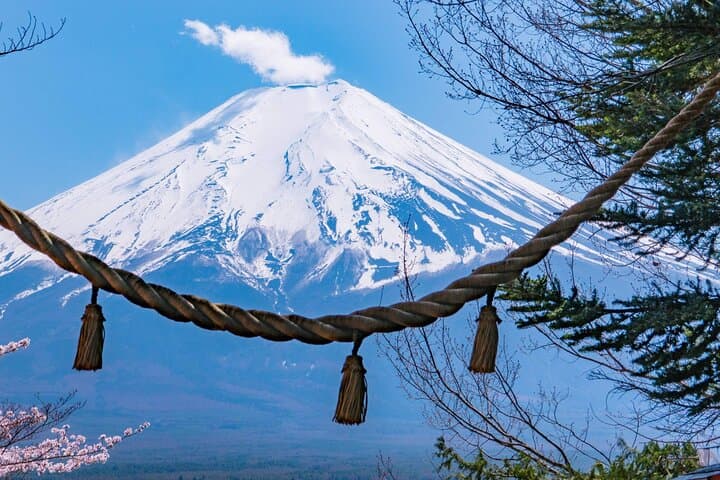
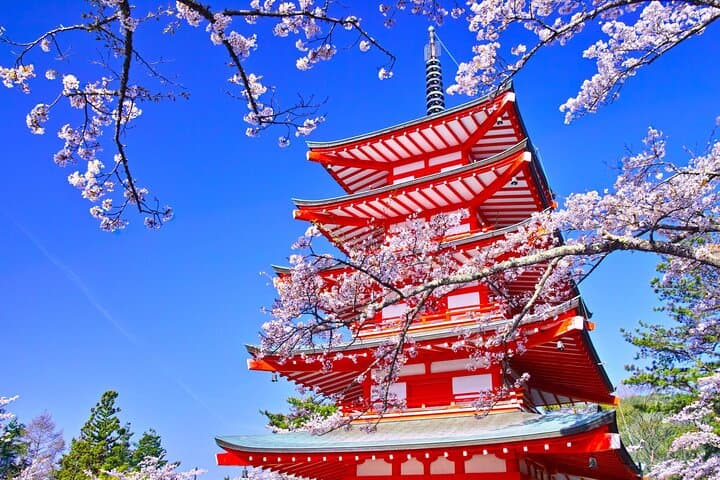
Winter and early spring often provide the clearest visibility, while cherry blossom season and autumn foliage offer dramatic framing but can attract larger crowds.
Yes — public transport reaches Kawaguchiko and Fujiyoshida, but a day tour simplifies logistics and timing if you want to hit multiple viewpoints in one day.
The Chureito Pagoda sits within Arakurayama Sengen Shrine grounds; the shrine tradition dates back centuries and the pagoda serves as a peace memorial, while Oshino Hakkai’s ponds reflect Mount Fuji’s filtered volcanic snowmelt.
Heavy visitation has prompted local measures to protect viewpoints and residents; stick to trails, pack out litter, and avoid obstructing private property or roadways.
TREVOPEDIA operates guided outdoor trips and adventures with an emphasis on safety, stewardship, and memorable experiences.
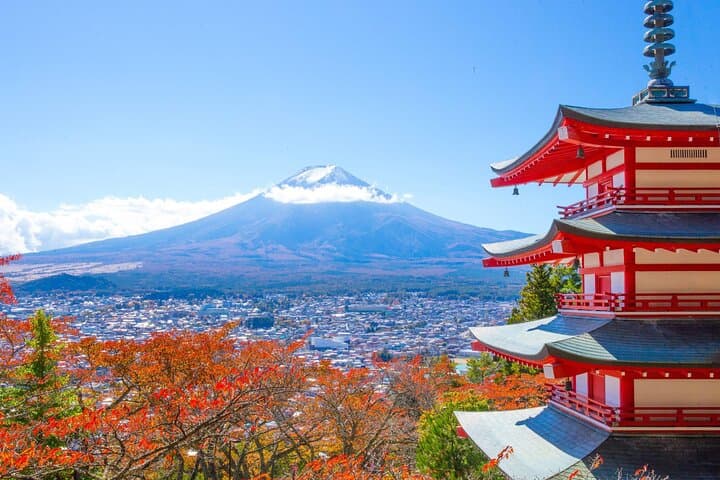
You crest a terrace of stone steps and the pagoda appears — five stories of vermilion poised above the town with Mount Fuji rising behind it. The air is crisp, voices drop to a hush, and for a moment the mountain seems to hold its breath for your photograph.
You crest a terrace of stone steps and the pagoda appears — five stories of vermilion poised above the town with Mount Fuji rising behind it. The air is crisp, voices drop to a hush, and for a moment the mountain seems to hold its breath for your photograph.
This day trip threads together Fujiyoshida and Kawaguchiko highlights: Arakurayama Sengen Park and the Chureito Pagoda (a wartime memorial on shrine grounds), the mirror-like ponds of Oshino Hakkai fed by Mount Fuji’s filtered snowmelt, and the lakeside blooms at Oishi Park on Lake Kawaguchi. Geology is visible at every turn — volcanic layers that channel meltwater into glass-clear springs and sculpted slopes that shape local settlement patterns. Culturally, these spots are seasonal stages: hanami in spring, lavender in summer, kochia and momiji in autumn. Recent local measures — including a barrier at a viral Lawson storefront — underscore a bigger point: high foot traffic affects residents and viewpoints.
Practical guidance: expect a full, 9–10 hour outing with multiple short walks and one steep stair climb of about 398 steps at Chureito. Aim for early morning light for clear Fuji views; winter mornings often offer the best visibility but colder temps. Bring comfortable walking shoes, a small tripod for low-light shots, cash for local stalls, and patience — popular viewpoints can be crowded. The tour includes round-trip transport from Tokyo and is suitable for most fitness levels, though those with limited mobility should plan around stairs. Respect marked paths, local signage, and photography etiquette to keep these viewpoints accessible for everyone.