THE ADVENTURE COLLECTIVE® · Independent discovery and booking for outdoor travel

Spend a private day behind the wheel of a chauffeured car from Tokyo to Mount Fuji and Hakone, visiting Chureito Pagoda, Oshino Hakkai, Lake Kawaguchiko, Owakudani and Lake Ashinoko. This customizable English-guided tour balances scenic stops with short on-foot viewpoints.
Spend a private day behind the wheel of a chauffeured car from Tokyo to Mount Fuji and Hakone, visiting Chureito Pagoda, Oshino Hakkai, Lake Kawaguchiko, Owakudani and Lake Ashinoko. This customizable English-guided tour balances scenic stops with short on-foot viewpoints.
A low cloud peels off Mount Fuji as the private van slides out of Tokyo traffic, the mountain’s cone growing clearer with every kilometer. Passengers loosen shoulders and reach for cameras while the chauffeur points out the best light for a photo at Chureito Pagoda and times the route to avoid the worst crowds.
Verified experiences and guided adventures in the surrounding area.
Operated by Glocal Japan · Hakone, Kanagawa
A low cloud peels off Mount Fuji as the private van slides out of Tokyo traffic, the mountain’s cone growing clearer with every kilometer. Passengers loosen shoulders and reach for cameras while the chauffeur points out the best light for a photo at Chureito Pagoda and times the route to avoid the worst crowds.
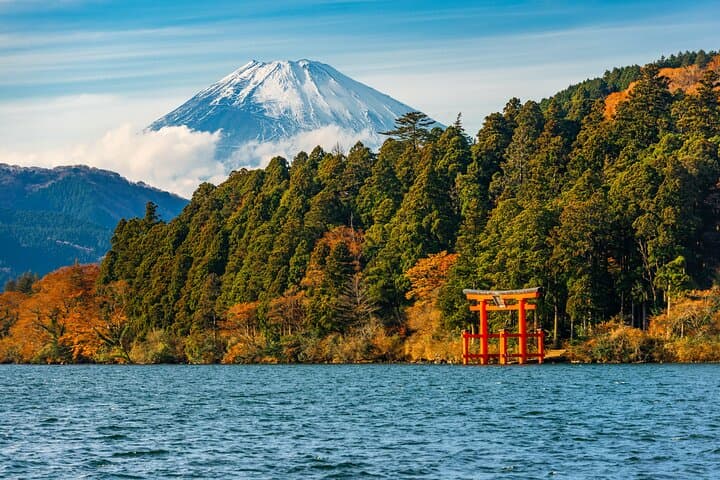
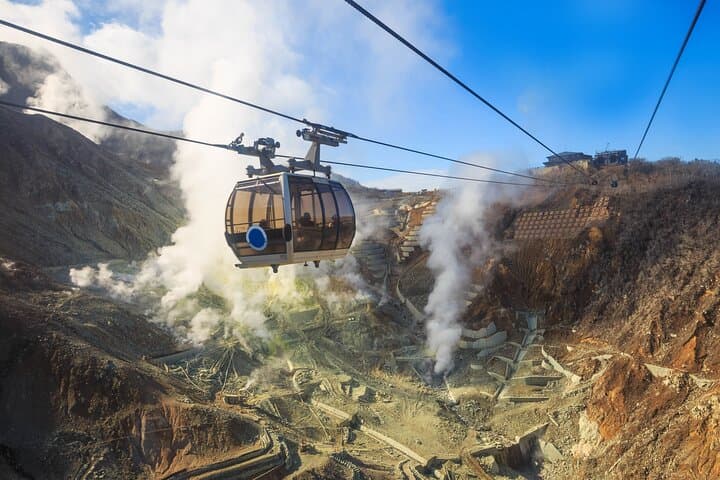
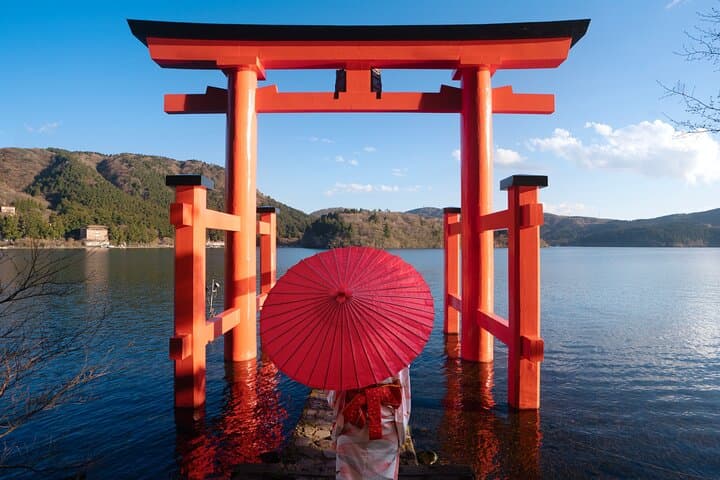
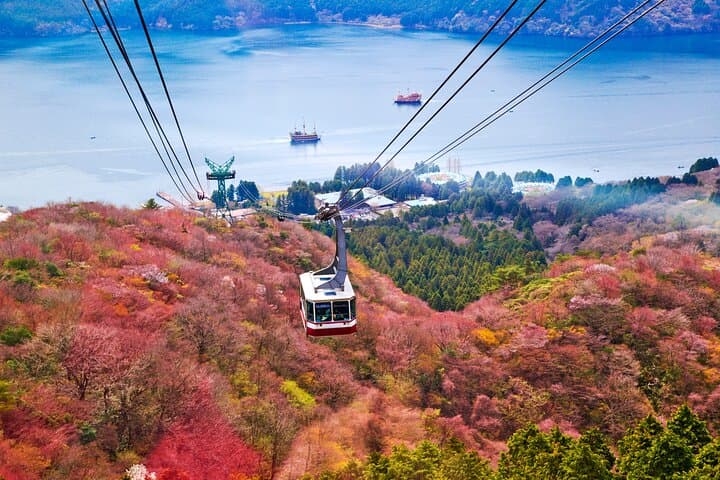
This full-day driving tour stitches together the region’s geology and culture: snowmelt filters through porous lava to feed the crystalline ponds of Oshino Hakkai; the Chureito Pagoda, erected as a peace memorial in 1963, frames Fuji against a line of stone steps; Lake Kawaguchiko sits at about 830 m elevation and cools summer afternoons; and Owakudani’s sulfur vents recall a volcanic past from roughly 3,000 years ago. Hakone’s ropeway and Lake Ashinoko add coastal-caldera scenery and, on clear days, mirror reflections of the peak.
Travelers should expect a customizable route, an English-speaking chauffeur, tolls and parking fees, and optional paid admissions if they choose to enter museums or ropeways. Walks at viewpoints include stairs and uneven paths—Chureito involves nearly 400 steps—so plan short, sturdy hikes rather than long treks.
Practical tips: schedule the trip early in the morning for the best Fuji visibility, bring layered clothing for temperature swings between lakeshores and mountain overlooks, and carry cash for small shrine donations, parking, or vending-machine snacks. For photographers, the driver can time stops for sunrise or late-afternoon light; for culture seekers, ask to add a traditional tea stop in a lakeside town.
easy.
8–10 hours.
Minimal fitness required for the driving portions; expect short walks and stair climbs at viewpoints—suitable for most travelers in basic health.
The private tour runs about 8–10 hours and typically departs from a Tokyo hotel with pickup by private car or van.
Admissions (ropeways, museums, certain park fees) are generally not included unless specifically requested; tolls and parking are included in the listed inclusions.
Yes — the tour is private and customizable; you can request different stops around Mount Fuji and Hakone subject to time constraints.
Early morning or late afternoon on clear, dry days offers the best visibility; spring (cherry blossom) and autumn (fall colors) are especially photogenic.
The Fuji Five Lakes region grew around volcanic activity and historical pilgrimage routes to Mount Fuji; Chureito Pagoda was built in 1963 as a peace memorial and later became a popular viewpoint.
Local authorities manage visitor numbers at sensitive sites and promote staying on trails to protect fragile alpine vegetation; use waste-free practices and respect hot-spring and shrine rules.
Glocal Japan operates guided outdoor trips and adventures with an emphasis on safety, stewardship, and memorable experiences.
A low cloud peels off Mount Fuji as the private van slides out of Tokyo traffic, the mountain’s cone growing clearer with every kilometer. Passengers loosen shoulders and reach for cameras while the chauffeur points out the best light for a photo at Chureito Pagoda and times the route to avoid the worst crowds.
A low cloud peels off Mount Fuji as the private van slides out of Tokyo traffic, the mountain’s cone growing clearer with every kilometer. Passengers loosen shoulders and reach for cameras while the chauffeur points out the best light for a photo at Chureito Pagoda and times the route to avoid the worst crowds.
This full-day driving tour stitches together the region’s geology and culture: snowmelt filters through porous lava to feed the crystalline ponds of Oshino Hakkai; the Chureito Pagoda, erected as a peace memorial in 1963, frames Fuji against a line of stone steps; Lake Kawaguchiko sits at about 830 m elevation and cools summer afternoons; and Owakudani’s sulfur vents recall a volcanic past from roughly 3,000 years ago. Hakone’s ropeway and Lake Ashinoko add coastal-caldera scenery and, on clear days, mirror reflections of the peak.
Travelers should expect a customizable route, an English-speaking chauffeur, tolls and parking fees, and optional paid admissions if they choose to enter museums or ropeways. Walks at viewpoints include stairs and uneven paths—Chureito involves nearly 400 steps—so plan short, sturdy hikes rather than long treks.
Practical tips: schedule the trip early in the morning for the best Fuji visibility, bring layered clothing for temperature swings between lakeshores and mountain overlooks, and carry cash for small shrine donations, parking, or vending-machine snacks. For photographers, the driver can time stops for sunrise or late-afternoon light; for culture seekers, ask to add a traditional tea stop in a lakeside town.