THE ADVENTURE COLLECTIVE® · Independent discovery and booking for outdoor travel

Leave Tokyo for a private 10‑hour circuit through two geologic worlds: the sacred slopes of Mount Fuji and the steaming, scenic corridors of Hakone. Ride the Hakone Ropeway, cruise Lake Ashi on a pirate ship, sample Owakudani’s black eggs and visit centuries‑old shrines and villages—all with an English guide and private transport.
Leave Tokyo for a private 10‑hour circuit through two geologic worlds: the sacred slopes of Mount Fuji and the steaming, scenic corridors of Hakone. Ride the Hakone Ropeway, cruise Lake Ashi on a pirate ship, sample Owakudani’s black eggs and visit centuries‑old shrines and villages—all with an English guide and private transport.
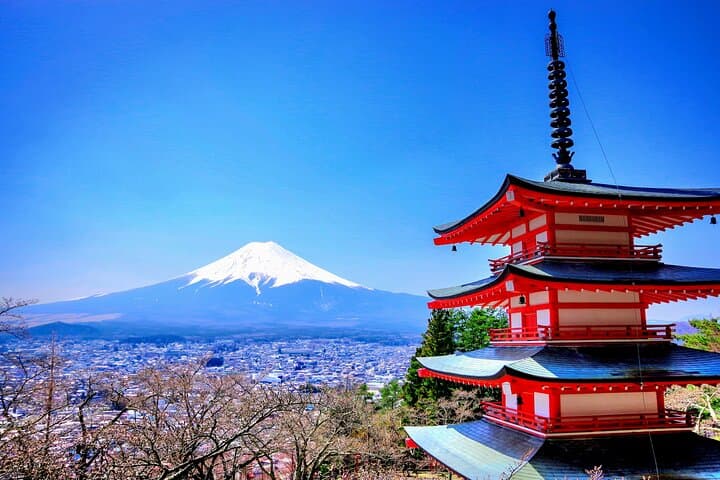
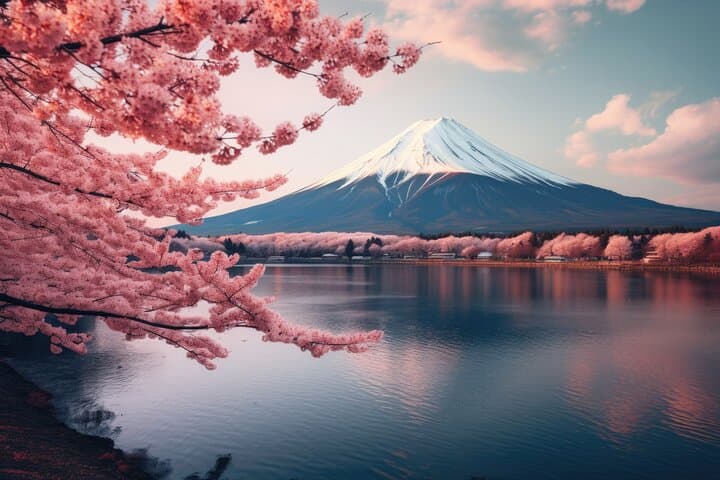
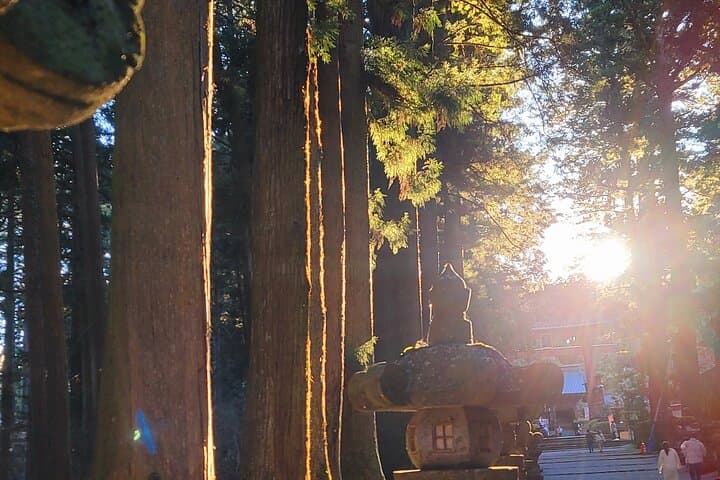
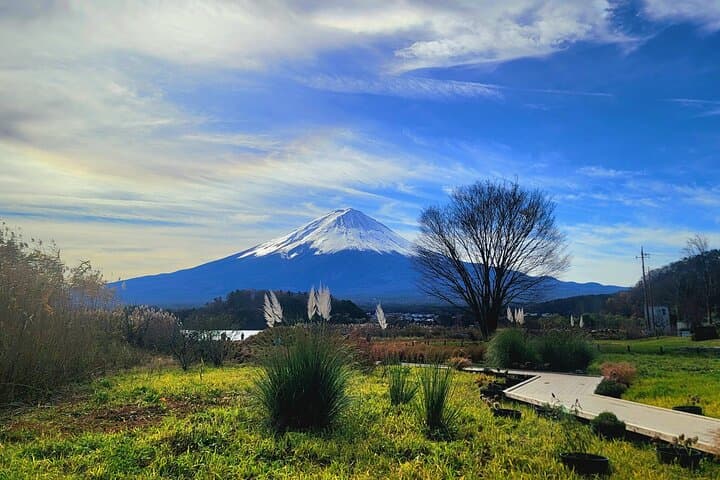
You step out of the air-conditioned van and the noise of Tokyo falls away into a cooler, highland air. A fluted shoulder of cloud hangs over a contour you know from postcards but haven’t yet seen in person—Mount Fuji’s cone rising behind a ring of cedars. The guide hands you a bottled water, points to a cedar-lined approach, and the day’s rhythm becomes clear: viewpoints, short walks, a ropeway that pulls you over steaming vents, and a pirate-ship silhouette cutting across a silver lake.
Verified experiences and guided adventures in the surrounding area.
Operated by Tokyo Top Travel · Hakone, Kanagawa
You step out of the air-conditioned van and the noise of Tokyo falls away into a cooler, highland air. A fluted shoulder of cloud hangs over a contour you know from postcards but haven’t yet seen in person—Mount Fuji’s cone rising behind a ring of cedars. The guide hands you a bottled water, points to a cedar-lined approach, and the day’s rhythm becomes clear: viewpoints, short walks, a ropeway that pulls you over steaming vents, and a pirate-ship silhouette cutting across a silver lake.
This is a full-day, private loop that threads two distinct landscapes. Mount Fuji, Japan’s highest peak, is a relatively young volcanic mass carved from repeated eruptions and glaciers; the lower flanks preserve Shinto shrines and ancient woodlands—local tradition holds certain shrines at Fuji’s base date back centuries. Hakone, on the Pacific side, is a tectonic cauldron: sulfur vents at Owakudani and hot springs testify to ongoing geothermal activity. The area’s culture has long mixed pilgrimage, onsen relaxation, and the commerce of roadside craft villages; Gotemba’s postwar growth brought outlet shopping and open plains used as scenic lunch stops on day tours.
On the road you’ll touch on history in compact bursts: a mountain-side shrine whose main hall and ancient cypress recall early worship at Fuji; a three-hundred-year-old village where spring-fed ponds and food stalls sit beneath views of the summit; and a small local castle whose tower offers a quick panorama of the plains. The Pola-type museum on route exchanges indoor sculptures for an outdoor park and a chance to relax in a hot spring after the ropeway’s exposed heights.
Practicalities: the tour runs about 10 hours round-trip from Tokyo by private van with an English-speaking guide; it’s suitable for most fitness levels because the walk segments are short and gentle. Expect the Hakone Ropeway and cable car to be breezy and exposed; Owakudani’s sulfur fumes limit time on-site and can smell strongly. Lunch is typically in the Gotemba area and bottled water is provided. Weather governs sightlines—Fuji can be obscured by low cloud even on otherwise pleasant days, so clear early mornings and winter days often offer the best summit views.
Timing and gear go a long way toward your enjoyment: arrive with comfortable walking shoes, a light waterproof layer, and a daypack for cameras and layers. If you want quiet photos, ask the guide to shift stops by 10–15 minutes—crowds thin early and late on the route. For families, note infants must sit on laps; for everyone, respect onsen rules and stay on marked paths in geothermal zones to protect fragile ecology.
By day’s end the mountain has pushed and pulled at you: a stern, patient presence that rewards patience and a little planning with moments of startling, alpine clarity.
moderate.
10 hours.
Light to moderate—short, mostly flat walks and viewpoint stints; suitable for most hikers and families
Pickup is arranged from central Tokyo hotels; you’ll be asked to confirm a pickup point when booking and the operator can coordinate nearby alternatives.
Private transportation, an English‑speaking guide and bottled water are included; admission fees for some attractions or personal purchases may be extra.
No—this day tour visits base‑area shrines and views; climbing Fuji requires separate planning, an overnight, and seasonal considerations.
The ropeway is safe but exposed; guests with severe vertigo should remain in the van or check with the guide about viewpoint alternatives.
The operator may adjust sightline stops and will follow the cancellation policy for weather if necessary; bringing flexible expectations for views helps.
Lunch is typically at a local restaurant in Gotemba—inform the operator of dietary needs in advance and they’ll try to accommodate.
Shinto shrines at Fuji’s base have long anchored pilgrimage routes; local villages preserve Edo‑era thatched houses and spring ponds used for centuries.
Stay on marked paths around geothermal vents and avoid single‑use plastics; many sites rely on careful visitor behavior to protect fragile flora and waters.
Tokyo Top Travel operates guided outdoor trips and adventures with an emphasis on safety, stewardship, and memorable experiences.
You step out of the air-conditioned van and the noise of Tokyo falls away into a cooler, highland air. A fluted shoulder of cloud hangs over a contour you know from postcards but haven’t yet seen in person—Mount Fuji’s cone rising behind a ring of cedars. The guide hands you a bottled water, points to a cedar-lined approach, and the day’s rhythm becomes clear: viewpoints, short walks, a ropeway that pulls you over steaming vents, and a pirate-ship silhouette cutting across a silver lake.
You step out of the air-conditioned van and the noise of Tokyo falls away into a cooler, highland air. A fluted shoulder of cloud hangs over a contour you know from postcards but haven’t yet seen in person—Mount Fuji’s cone rising behind a ring of cedars. The guide hands you a bottled water, points to a cedar-lined approach, and the day’s rhythm becomes clear: viewpoints, short walks, a ropeway that pulls you over steaming vents, and a pirate-ship silhouette cutting across a silver lake.
This is a full-day, private loop that threads two distinct landscapes. Mount Fuji, Japan’s highest peak, is a relatively young volcanic mass carved from repeated eruptions and glaciers; the lower flanks preserve Shinto shrines and ancient woodlands—local tradition holds certain shrines at Fuji’s base date back centuries. Hakone, on the Pacific side, is a tectonic cauldron: sulfur vents at Owakudani and hot springs testify to ongoing geothermal activity. The area’s culture has long mixed pilgrimage, onsen relaxation, and the commerce of roadside craft villages; Gotemba’s postwar growth brought outlet shopping and open plains used as scenic lunch stops on day tours.
On the road you’ll touch on history in compact bursts: a mountain-side shrine whose main hall and ancient cypress recall early worship at Fuji; a three-hundred-year-old village where spring-fed ponds and food stalls sit beneath views of the summit; and a small local castle whose tower offers a quick panorama of the plains. The Pola-type museum on route exchanges indoor sculptures for an outdoor park and a chance to relax in a hot spring after the ropeway’s exposed heights.
Practicalities: the tour runs about 10 hours round-trip from Tokyo by private van with an English-speaking guide; it’s suitable for most fitness levels because the walk segments are short and gentle. Expect the Hakone Ropeway and cable car to be breezy and exposed; Owakudani’s sulfur fumes limit time on-site and can smell strongly. Lunch is typically in the Gotemba area and bottled water is provided. Weather governs sightlines—Fuji can be obscured by low cloud even on otherwise pleasant days, so clear early mornings and winter days often offer the best summit views.
Timing and gear go a long way toward your enjoyment: arrive with comfortable walking shoes, a light waterproof layer, and a daypack for cameras and layers. If you want quiet photos, ask the guide to shift stops by 10–15 minutes—crowds thin early and late on the route. For families, note infants must sit on laps; for everyone, respect onsen rules and stay on marked paths in geothermal zones to protect fragile ecology.
By day’s end the mountain has pushed and pulled at you: a stern, patient presence that rewards patience and a little planning with moments of startling, alpine clarity.