THE ADVENTURE COLLECTIVE® · Independent discovery and booking for outdoor travel

A private, English-guided day through the most photogenic corners of the Fuji and Hakone regions — from the 2,300 m Fifth Station to steaming Ōwakudani and serene Lake Ashi. Customize the route, avoid crowds, and see Japan’s most famous mountain on your terms.
A private, English-guided day through the most photogenic corners of the Fuji and Hakone regions — from the 2,300 m Fifth Station to steaming Ōwakudani and serene Lake Ashi. Customize the route, avoid crowds, and see Japan’s most famous mountain on your terms.
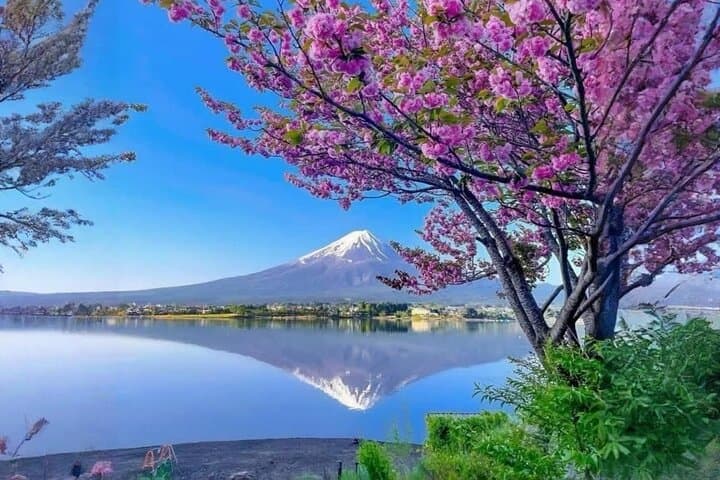
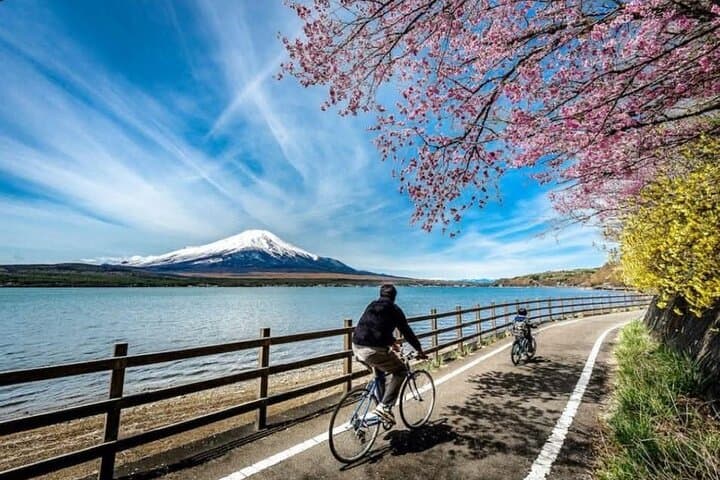
You step into a quiet private van at dawn and Tokyo shrinks behind you — a ribbon of highway, coffee steam, and the driver’s soft English briefing. Two hours later the silhouette appears: Mount Fuji, an immense geometry of rock and snow, imposing and changeable. The van drops you at Lake Kawaguchiko or the Fifth Station and the mountain, which held back fog all morning, finally reveals itself in a clean, deliberate cut above the trees.
Verified experiences and guided adventures in the surrounding area.
Operated by Ikisaki Tours & Travels · Fujikawaguchiko, Yamanashi
You step into a quiet private van at dawn and Tokyo shrinks behind you — a ribbon of highway, coffee steam, and the driver’s soft English briefing. Two hours later the silhouette appears: Mount Fuji, an immense geometry of rock and snow, imposing and changeable. The van drops you at Lake Kawaguchiko or the Fifth Station and the mountain, which held back fog all morning, finally reveals itself in a clean, deliberate cut above the trees.
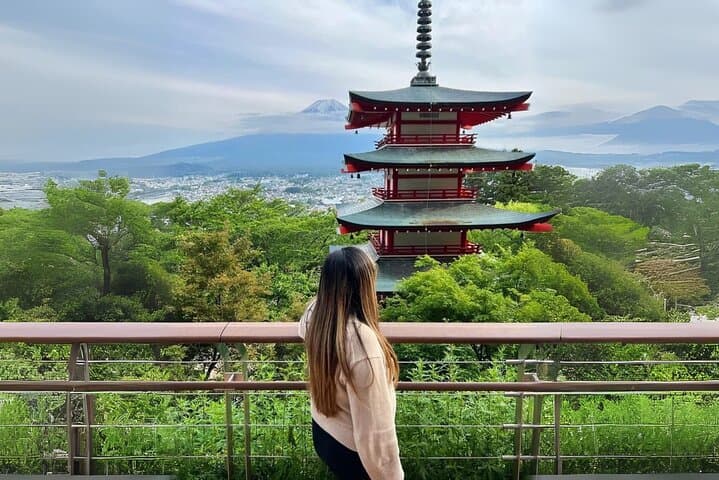
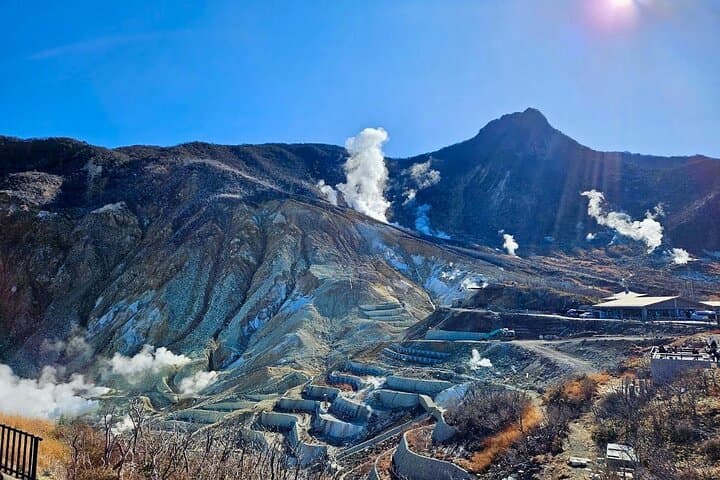
This private, customizable day tour threads together the Fuji region and Hakone: Mt. Fuji’s 5th Station (around 2,300–2,400 m elevation), scenic Lake Kawaguchi, the 400-step climb to Chureito Pagoda, and the volcanic drama of Ōwakudani in Hakone. Geologically, Fuji is the youngest of Japan’s stratovolcanoes, its cone rebuilt repeatedly by eruptions over tens of thousands of years; Ōwakudani is an exposed reminder of that heat beneath the surface, steam vents and sulfur staining the rock.
Culturally the route reads like a compact lesson in Japanese spiritual landscape — Arakura Sengen Shrine at Chureito, the torii at Hakone Shrine on Lake Ashi, and small villages like Oshino Hakkai where snowmelt ponds reflect the peak. Local guides will point out regional craftwork, the seasonal foods (try the kuro-tamago, a boiled black egg in Ōwakudani), and how Fuji’s presence shaped local festivals and photography traditions.
Practicalities matter: the standard private tour runs about 10 hours (pick‑up in Tokyo 8:00 AM; shorter if picked up closer to Fuji or Hakone). Expect long drives on paid expressways — tolls and Subaru Line fees at the Fifth Station (approx JPY 2,100–3,460) may be extra. Chureito’s viewpoint requires a 400‑step climb; the Fifth Station sits at roughly 2,300 m (short walks at altitude can feel breathier than sea level). Good weather is essential for views; operators will reschedule or refund if conditions prevent safe sightseeing.
Prepare for mixed terrain: paved lakeside promenades, short stair climbs, and volcanic lookout platforms with sulfur smell and loose rock near Ōwakudani. Hydrate, layer for rapid temperature swings (it’s commonly 10–15°C cooler at the Fifth Station than Tokyo), and bring sun protection — UV ramps up above 2,000 m. The tour is wheelchair-accessible for vehicle transit, but several attractions include steps and uneven surfaces.
Because the itinerary is private and flexible, prioritize what you want: more time in Hakone’s ropeway and open-air museum, or focus on Fuji viewpoints and the cultural villages. Reserve parking and toll costs into your budget, and consider sunrise or late‑afternoon timing for the clearest, most dramatic photos of the mountain.
moderate.
10 hours.
Comfortable walking fitness for short climbs and 400-step viewpoints; low-impact for most travelers but some mobility limitations at sites with steps.
Yes — the tour operator provides six suggested routes, but you can design a custom itinerary; confirm preferences at booking and expect coordinators to finalize logistics before departure.
Some attractions include admission but many (ropeways, Subaru Line toll, certain museum fees) are paid on the spot; check the route details and bring cash or card.
Typical drive time to the Fuji/Kawaguchiko area is 2–2.5 hours each way, depending on traffic and route; Hakone can be 1.5–2 hours via expressways.
Yes — infant seats may be available but typically one per vehicle; confirm at booking. The tour is family-friendly though some viewpoints require stairs.
Good weather is needed for the best views; the operator will offer a reschedule or full refund if visibility or safety prevents stops like the Fifth Station or ropeways.
Yes — the service includes English- and Japanese-speaking professional drivers who act as guides and handle navigation, parking, and local tips.
Mount Fuji has been a sacred site for centuries — Arakura Sengen Shrine and Chureito Pagoda reflect local Shinto practices tied to mountain worship and seasonal pilgrimages.
Stick to marked paths and avoid feeding wildlife; the region manages visitor pressure through parking, timed entries for some sites, and efforts to reduce litter around fragile volcanic and lakeside ecosystems.
Ikisaki Tours & Travels operates guided outdoor trips and adventures with an emphasis on safety, stewardship, and memorable experiences.
You step into a quiet private van at dawn and Tokyo shrinks behind you — a ribbon of highway, coffee steam, and the driver’s soft English briefing. Two hours later the silhouette appears: Mount Fuji, an immense geometry of rock and snow, imposing and changeable. The van drops you at Lake Kawaguchiko or the Fifth Station and the mountain, which held back fog all morning, finally reveals itself in a clean, deliberate cut above the trees.
You step into a quiet private van at dawn and Tokyo shrinks behind you — a ribbon of highway, coffee steam, and the driver’s soft English briefing. Two hours later the silhouette appears: Mount Fuji, an immense geometry of rock and snow, imposing and changeable. The van drops you at Lake Kawaguchiko or the Fifth Station and the mountain, which held back fog all morning, finally reveals itself in a clean, deliberate cut above the trees.
This private, customizable day tour threads together the Fuji region and Hakone: Mt. Fuji’s 5th Station (around 2,300–2,400 m elevation), scenic Lake Kawaguchi, the 400-step climb to Chureito Pagoda, and the volcanic drama of Ōwakudani in Hakone. Geologically, Fuji is the youngest of Japan’s stratovolcanoes, its cone rebuilt repeatedly by eruptions over tens of thousands of years; Ōwakudani is an exposed reminder of that heat beneath the surface, steam vents and sulfur staining the rock.
Culturally the route reads like a compact lesson in Japanese spiritual landscape — Arakura Sengen Shrine at Chureito, the torii at Hakone Shrine on Lake Ashi, and small villages like Oshino Hakkai where snowmelt ponds reflect the peak. Local guides will point out regional craftwork, the seasonal foods (try the kuro-tamago, a boiled black egg in Ōwakudani), and how Fuji’s presence shaped local festivals and photography traditions.
Practicalities matter: the standard private tour runs about 10 hours (pick‑up in Tokyo 8:00 AM; shorter if picked up closer to Fuji or Hakone). Expect long drives on paid expressways — tolls and Subaru Line fees at the Fifth Station (approx JPY 2,100–3,460) may be extra. Chureito’s viewpoint requires a 400‑step climb; the Fifth Station sits at roughly 2,300 m (short walks at altitude can feel breathier than sea level). Good weather is essential for views; operators will reschedule or refund if conditions prevent safe sightseeing.
Prepare for mixed terrain: paved lakeside promenades, short stair climbs, and volcanic lookout platforms with sulfur smell and loose rock near Ōwakudani. Hydrate, layer for rapid temperature swings (it’s commonly 10–15°C cooler at the Fifth Station than Tokyo), and bring sun protection — UV ramps up above 2,000 m. The tour is wheelchair-accessible for vehicle transit, but several attractions include steps and uneven surfaces.
Because the itinerary is private and flexible, prioritize what you want: more time in Hakone’s ropeway and open-air museum, or focus on Fuji viewpoints and the cultural villages. Reserve parking and toll costs into your budget, and consider sunrise or late‑afternoon timing for the clearest, most dramatic photos of the mountain.