THE ADVENTURE COLLECTIVE® · Independent discovery and booking for outdoor travel

Spend a day outside Tokyo exploring Lake Kawaguchi, Oshino Hakkai’s crystal ponds, and iconic vantage points for Mount Fuji. This full-day coach tour combines easy walks, cultural sites, and guaranteed photo opportunities.
Spend a day outside Tokyo exploring Lake Kawaguchi, Oshino Hakkai’s crystal ponds, and iconic vantage points for Mount Fuji. This full-day coach tour combines easy walks, cultural sites, and guaranteed photo opportunities.
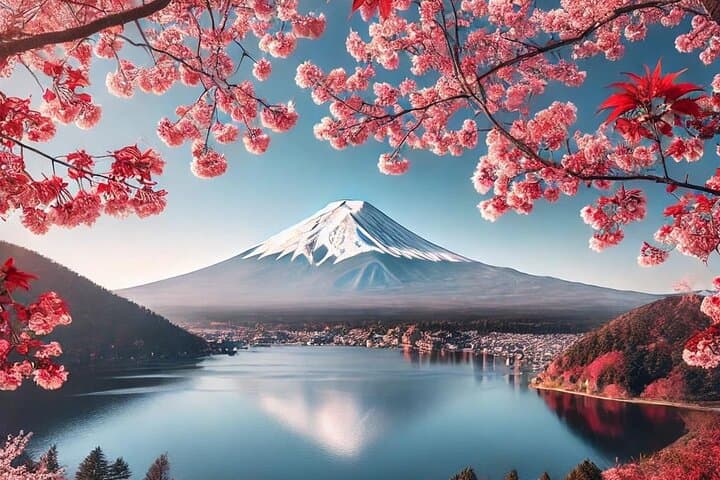
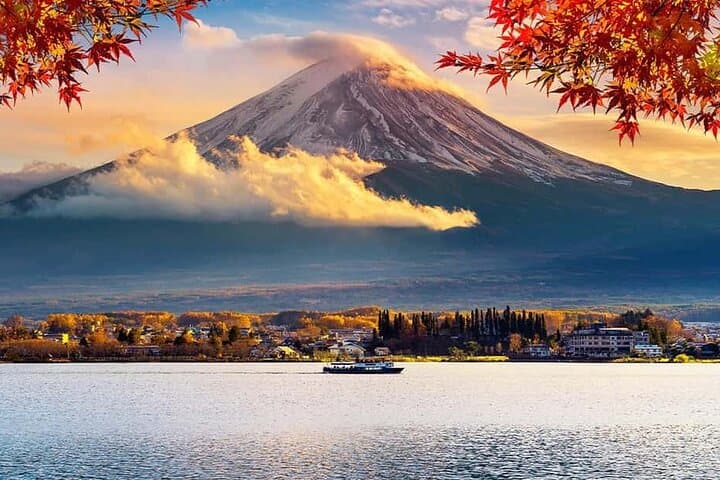
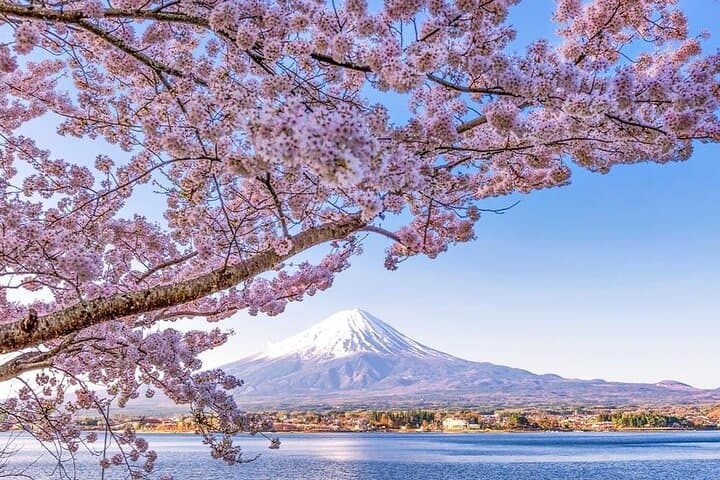
A cool morning unfurls on the road out of Tokyo as the coach slices through suburban sprawl and climbs toward the foothills. By midmorning the profile of Mount Fuji asserts itself—symmetrical, snow-capped in season—and Lake Kawaguchi opens like a wide eye reflecting the peak on glassy days.
Verified experiences and guided adventures in the surrounding area.
Operated by 株式会社TOUR DREAM · Fujikawaguchiko, Yamanashi
A cool morning unfurls on the road out of Tokyo as the coach slices through suburban sprawl and climbs toward the foothills. By midmorning the profile of Mount Fuji asserts itself—symmetrical, snow-capped in season—and Lake Kawaguchi opens like a wide eye reflecting the peak on glassy days.
The route threads sites that reveal Fuji’s layered story: volcanic geology that shaped lakes and valleys, Edo-period pilgrim routes etched into local shrines, and modern leisure spots where convenience stores double as famous photo frames. Lake Kawaguchi sits at about 830 m elevation with a complex shoreline that rewards short walks and photo stops; Oshino Hakkai offers eight spring-fed ponds, clear enough to see the stones below and historically revered as natural water sources for villagers.
Culturally, Fuji has been both a sacred mountain and a symbol of national identity; the area’s small towns retain noodle shops, shrines and viewpoints that reflect that history. Geologically, Fuji is an active stratovolcano whose eruptions shaped the Yamanashi basin and created the five lakes used for views and recreation.
Practical guidance: expect a 9-hour day with multiple short stops and minimal hiking — mostly paved paths and short boardwalks. Dress in layers for temperature swings between Tokyo and the lakes, bring a camera with a zoom for distant details, and carry cash for small vendors. Early departures mean softer light and fewer crowds; if you want the classic mirror reflection, pick a calm morning and check wind forecasts. Respect local rules: don’t feed wildlife, and follow signs at shrines and springs.
easy.
9 hours.
Suitable for most travelers who can manage short, gentle walks and standing during brief photo stops.
The tour is approximately 9 hours and departs from central Tokyo meeting points such as JR Tokyo Station (Marunouchi North Exit) or SMBC Bank Shinjuku Nishiguchi—check your booking for the selected pickup.
Yes; the itinerary includes stops near Kawaguchi and Oshino Hakkai where there are local restaurants and food stalls; carrying small cash is recommended.
Visibility depends on weather and season—clear mornings after cold fronts offer the best views, while summer can bring afternoon haze and clouds.
Yes; the tour is rated easy with minimal walking; infants should sit on laps and travelers with cardiovascular issues should consult the provider’s recommendations.
Mount Fuji has been a pilgrimage destination for centuries and was inscribed as a UNESCO World Heritage cultural site in 2013 for its influence on Japanese art and spirituality.
Visitor pressure concentrates around lakes and ponds—stick to marked paths, avoid feeding wildlife, and carry out trash to protect water clarity and local ecosystems.
株式会社TOUR DREAM operates guided outdoor trips and adventures with an emphasis on safety, stewardship, and memorable experiences.
A cool morning unfurls on the road out of Tokyo as the coach slices through suburban sprawl and climbs toward the foothills. By midmorning the profile of Mount Fuji asserts itself—symmetrical, snow-capped in season—and Lake Kawaguchi opens like a wide eye reflecting the peak on glassy days.
A cool morning unfurls on the road out of Tokyo as the coach slices through suburban sprawl and climbs toward the foothills. By midmorning the profile of Mount Fuji asserts itself—symmetrical, snow-capped in season—and Lake Kawaguchi opens like a wide eye reflecting the peak on glassy days.
The route threads sites that reveal Fuji’s layered story: volcanic geology that shaped lakes and valleys, Edo-period pilgrim routes etched into local shrines, and modern leisure spots where convenience stores double as famous photo frames. Lake Kawaguchi sits at about 830 m elevation with a complex shoreline that rewards short walks and photo stops; Oshino Hakkai offers eight spring-fed ponds, clear enough to see the stones below and historically revered as natural water sources for villagers.
Culturally, Fuji has been both a sacred mountain and a symbol of national identity; the area’s small towns retain noodle shops, shrines and viewpoints that reflect that history. Geologically, Fuji is an active stratovolcano whose eruptions shaped the Yamanashi basin and created the five lakes used for views and recreation.
Practical guidance: expect a 9-hour day with multiple short stops and minimal hiking — mostly paved paths and short boardwalks. Dress in layers for temperature swings between Tokyo and the lakes, bring a camera with a zoom for distant details, and carry cash for small vendors. Early departures mean softer light and fewer crowds; if you want the classic mirror reflection, pick a calm morning and check wind forecasts. Respect local rules: don’t feed wildlife, and follow signs at shrines and springs.