THE ADVENTURE COLLECTIVE® · Independent discovery and booking for outdoor travel

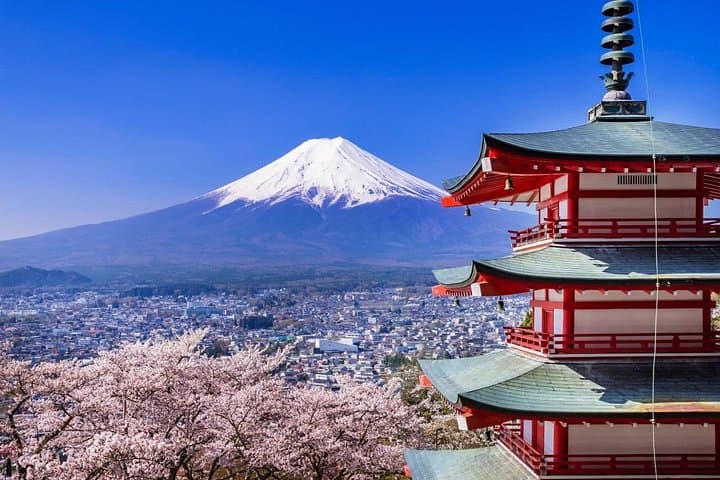
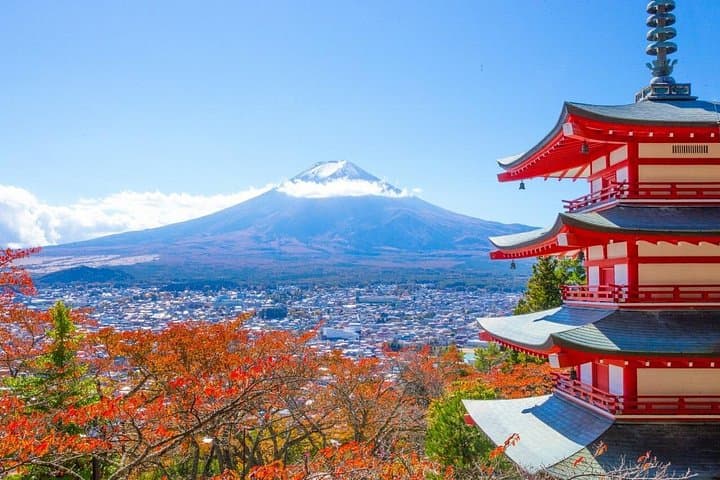
Spend a day circling Mount Fuji’s most photographed angles — Lake Kawaguchi, Chureito Pagoda, Oshino Hakkai and seasonal flower parks. This guided full-day tour pairs easy walks with iconic views and cultural stops.
Spend a day circling Mount Fuji’s most photographed angles — Lake Kawaguchi, Chureito Pagoda, Oshino Hakkai and seasonal flower parks. This guided full-day tour pairs easy walks with iconic views and cultural stops.
A low-angled sun turns Fuji’s snowcap briefly gold as the coach threads past cedar groves and roadside tea fields. On arrival at Lake Kawaguchi the mountain fills the horizon; its reflection in the glassy water dares you to find a better frame.
Verified experiences and guided adventures in the surrounding area.
Operated by F Trip · Fujikawaguchiko, Yamanashi
A low-angled sun turns Fuji’s snowcap briefly gold as the coach threads past cedar groves and roadside tea fields. On arrival at Lake Kawaguchi the mountain fills the horizon; its reflection in the glassy water dares you to find a better frame.
This full-day outing moves through eight classic viewpoints around Fuji — from the shutter-ready Chureito Pagoda to the clear springs of Oshino Hakkai. Geologically, Mount Fuji is a young stratovolcano shaped by repeated eruptions over the last 10,000 years; the surrounding lakes sit in depressions formed by those eruptions and later volcanic activity. Culturally, the route passes shrines and clock shops that map rural life and pilgrimage practices tied to the mountain’s spiritual role in Japanese history.
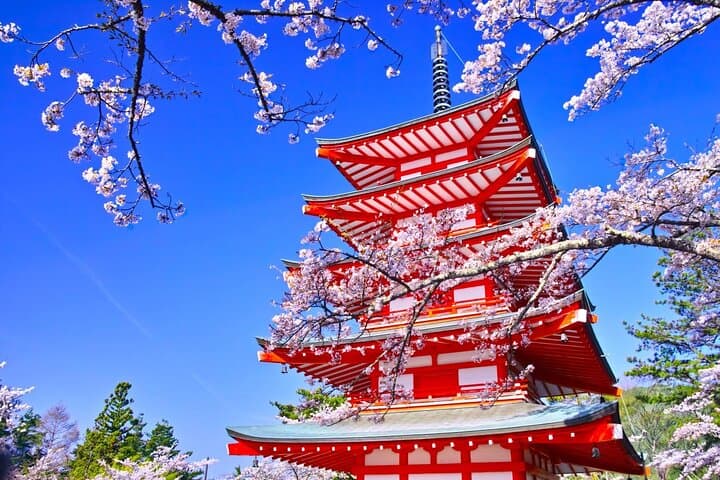
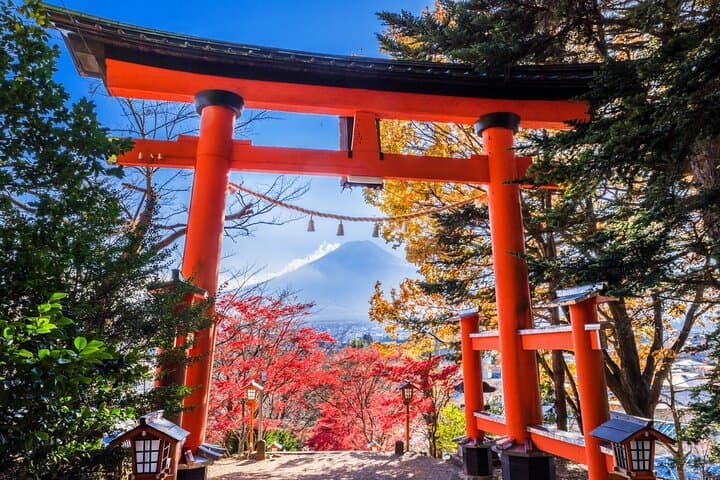
Expect short walks, a climb of roughly 350–400 steps at Chureito for the canonical view, and time to browse village stalls at Oshino Hakkai. Guides typically point out seasonal flower displays at Oishi Park and the Kawaguchiko Natural Living Center’s torii-framed vistas. Photography is the day’s currency; bring a mid-range zoom and be ready to swap locations as clouds shift around the peak.
Practical guidance: depart early from Tokyo, carry layers for wind off the lake, and plan for variable visibility — Fuji can vanish behind clouds in minutes. Respect local signage at heritage sites, taste the spring water at Oshino Hakkai but don’t pollute it, and arrive 10–15 minutes before the scheduled meeting time to ensure your seat on the coach.
easy.
10 hours.
Suitable for most fitness levels; includes standing, short walks and a 350–400-step climb at Chureito.
The tour is roughly 10 hours and departs from Tokyo meeting points such as Tokyo Mode Gakuen and JR Tokyo Station (Marunouchi).
Walking is limited to short sightseeing strolls and a notable climb of about 350–400 steps at Chureito Pagoda; the rest is coach-based.
Meals are not typically included; there will be opportunities to buy local food around Oshino Hakkai and Kawaguchiko. Bring snacks if you prefer.
Visibility depends on weather; guides will adjust the route to maximize viewing chances, but refunds for poor visibility are not usually offered.
Mount Fuji has been a site of pilgrimage and artistic inspiration for centuries; the area around Kawaguchi developed as a staging point for shrine visits and mountain worship.
Fuji’s cultural landscape is UNESCO-designated; follow marked paths, avoid single-use plastics, and refrain from drone use where prohibited to protect fragile sites.
F Trip operates guided outdoor trips and adventures with an emphasis on safety, stewardship, and memorable experiences.
A low-angled sun turns Fuji’s snowcap briefly gold as the coach threads past cedar groves and roadside tea fields. On arrival at Lake Kawaguchi the mountain fills the horizon; its reflection in the glassy water dares you to find a better frame.
A low-angled sun turns Fuji’s snowcap briefly gold as the coach threads past cedar groves and roadside tea fields. On arrival at Lake Kawaguchi the mountain fills the horizon; its reflection in the glassy water dares you to find a better frame.
This full-day outing moves through eight classic viewpoints around Fuji — from the shutter-ready Chureito Pagoda to the clear springs of Oshino Hakkai. Geologically, Mount Fuji is a young stratovolcano shaped by repeated eruptions over the last 10,000 years; the surrounding lakes sit in depressions formed by those eruptions and later volcanic activity. Culturally, the route passes shrines and clock shops that map rural life and pilgrimage practices tied to the mountain’s spiritual role in Japanese history.
Expect short walks, a climb of roughly 350–400 steps at Chureito for the canonical view, and time to browse village stalls at Oshino Hakkai. Guides typically point out seasonal flower displays at Oishi Park and the Kawaguchiko Natural Living Center’s torii-framed vistas. Photography is the day’s currency; bring a mid-range zoom and be ready to swap locations as clouds shift around the peak.
Practical guidance: depart early from Tokyo, carry layers for wind off the lake, and plan for variable visibility — Fuji can vanish behind clouds in minutes. Respect local signage at heritage sites, taste the spring water at Oshino Hakkai but don’t pollute it, and arrive 10–15 minutes before the scheduled meeting time to ensure your seat on the coach.