THE ADVENTURE COLLECTIVE® · Independent discovery and booking for outdoor travel

Pedal assisted e-bikes unlock the geological story and coastal edges of Mount Fuji’s lower slopes. In a focused 2–3 hour loop from Shin-Fuji Station, guides combine volcanic context, sacred-site visits, and seaside viewpoints—visibility permitting.
Pedal assisted e-bikes unlock the geological story and coastal edges of Mount Fuji’s lower slopes. In a focused 2–3 hour loop from Shin-Fuji Station, guides combine volcanic context, sacred-site visits, and seaside viewpoints—visibility permitting.
The ride begins at Shin-Fuji Station, tires humming as the foothills of Fuji slide into view. Electric assist eases the first climbs; the air smells of river-silt and pine. Guides steer a small group past coastal dunes and spring-fed streams, stopping where lava-formed terraces bend toward the sea and where a low bridge frames a possible, often cloud-hidden, silhouette of Mount Fuji.
Verified experiences and guided adventures in the surrounding area.
Operated by Ninomaru Village · Fuji, Shizuoka
The ride begins at Shin-Fuji Station, tires humming as the foothills of Fuji slide into view. Electric assist eases the first climbs; the air smells of river-silt and pine. Guides steer a small group past coastal dunes and spring-fed streams, stopping where lava-formed terraces bend toward the sea and where a low bridge frames a possible, often cloud-hidden, silhouette of Mount Fuji.
This short tour threads geology and culture: Mount Fuji is a stratovolcano born from Pacific plate subduction, its lava flows and river sediments carving the arc-shaped Tagonoura sand dunes you’ll pass. The route touches sites tied to Shugendō practitioners who used local springs and Fujizuka hills for ritual purification from the Muromachi through Edo periods. Modern traces — a tsunami evacuation tower and the shipwreck anchor at Kashiwabara Beach — hint at a coast shaped by both quake and tide.
Expect 2–3 hours of gentle riding on paved and compacted surfaces with occasional short stair descents (about 50 steps at Fujisan Yumeno Ohashi). Helmets and Miyata Ridge Runner e-bikes are provided; visibility of Mount Fuji depends on weather and season. Guides discuss volcanic hazards, groundwater resources and local disaster-preparedness while pausing at clear springs and shrines.
Practical edge: wear closed-toe shoes, carry a refillable water bottle, and layer for wind off the plains. The route is not wheelchair accessible and is unsuitable for those with serious spine, heart, or pregnancy restrictions. Return to Tokyo is feasible the same day if schedules align.
moderate.
2–3 hours.
Suitable for most riders with basic cycling ability; e-bike assistance reduces exertion but expect short climbs and repeated pedaling.
Yes; rental Miyata Ridge Runner e-bikes and helmets are included in the tour price.
No; visibility depends on weather and season—clouds and haze often obscure the peak, especially in humid summer.
No; the route includes a 50-step descent at a bridge and is not suitable for wheelchairs.
Pregnant travelers, those with serious spinal or cardiovascular conditions, and guests unable to handle short stair sections should not join.
Mount Fuji’s foothills hosted Shugendō ascetics who used local springs and Fujizuka for ritual purification; the coast shows layers of volcanic flow and human coastal use.
Protect local groundwater and dune vegetation by staying on roads and paths, using refillable bottles, and following guide instructions to minimize erosion and litter.
Ninomaru Village operates guided outdoor trips and adventures with an emphasis on safety, stewardship, and memorable experiences.
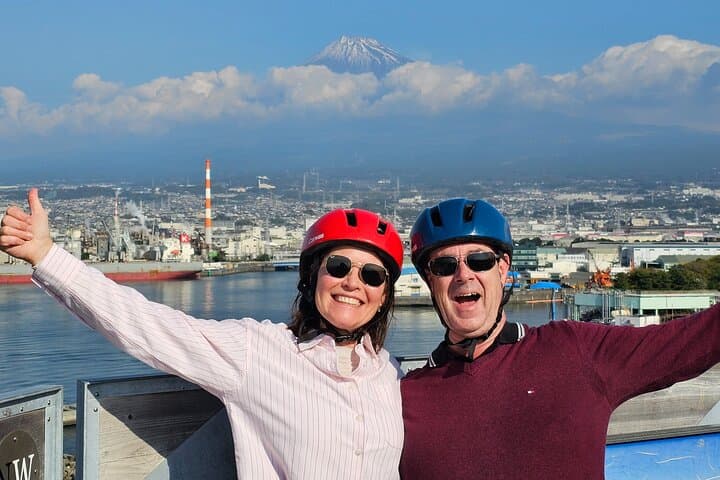
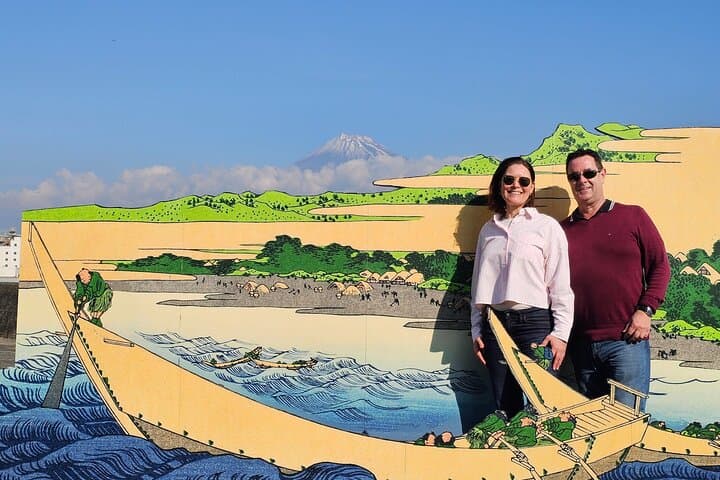
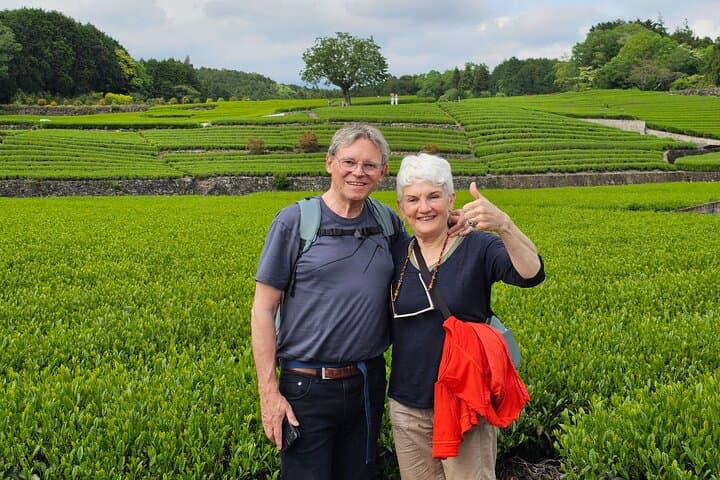
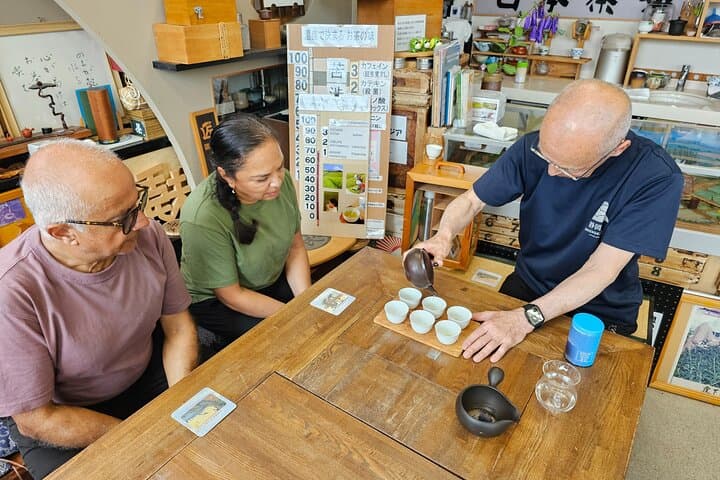
The ride begins at Shin-Fuji Station, tires humming as the foothills of Fuji slide into view. Electric assist eases the first climbs; the air smells of river-silt and pine. Guides steer a small group past coastal dunes and spring-fed streams, stopping where lava-formed terraces bend toward the sea and where a low bridge frames a possible, often cloud-hidden, silhouette of Mount Fuji.
The ride begins at Shin-Fuji Station, tires humming as the foothills of Fuji slide into view. Electric assist eases the first climbs; the air smells of river-silt and pine. Guides steer a small group past coastal dunes and spring-fed streams, stopping where lava-formed terraces bend toward the sea and where a low bridge frames a possible, often cloud-hidden, silhouette of Mount Fuji.
This short tour threads geology and culture: Mount Fuji is a stratovolcano born from Pacific plate subduction, its lava flows and river sediments carving the arc-shaped Tagonoura sand dunes you’ll pass. The route touches sites tied to Shugendō practitioners who used local springs and Fujizuka hills for ritual purification from the Muromachi through Edo periods. Modern traces — a tsunami evacuation tower and the shipwreck anchor at Kashiwabara Beach — hint at a coast shaped by both quake and tide.
Expect 2–3 hours of gentle riding on paved and compacted surfaces with occasional short stair descents (about 50 steps at Fujisan Yumeno Ohashi). Helmets and Miyata Ridge Runner e-bikes are provided; visibility of Mount Fuji depends on weather and season. Guides discuss volcanic hazards, groundwater resources and local disaster-preparedness while pausing at clear springs and shrines.
Practical edge: wear closed-toe shoes, carry a refillable water bottle, and layer for wind off the plains. The route is not wheelchair accessible and is unsuitable for those with serious spine, heart, or pregnancy restrictions. Return to Tokyo is feasible the same day if schedules align.