THE ADVENTURE COLLECTIVE® · Independent discovery and booking for outdoor travel

Escape Tokyo for a full‑day, coach‑led circuit of Mount Fuji’s most photographed spots—Lake Kawaguchi, Chureito Pagoda, Oshino Hakkai and a reconstructed thatch village. Expect multiple short walks, photo opportunities, and a mix of cultural stops and natural scenery.
Escape Tokyo for a full‑day, coach‑led circuit of Mount Fuji’s most photographed spots—Lake Kawaguchi, Chureito Pagoda, Oshino Hakkai and a reconstructed thatch village. Expect multiple short walks, photo opportunities, and a mix of cultural stops and natural scenery.
You step off the coach and the air changes—cooler, a little sharper, Mount Fuji occupying the sky like a deliberate pause. In one long sweep this full‑day tour strings together classic viewpoints: the reflective surface of Lake Kawaguchi, the flower‑lined promenade at Oishi Park, the traditional thatched roofs of Saiko Iyashi‑no‑Sato, the red torii framed at the Kawaguchiko Natural Living Center, the crystalline springs of Oshino Hakkai, and the climb to Chureito Pagoda with Fuji looming behind it.
Verified experiences and guided adventures in the surrounding area.
Operated by F Trip · Fujikawaguchiko, Yamanashi Prefecture
You step off the coach and the air changes—cooler, a little sharper, Mount Fuji occupying the sky like a deliberate pause. In one long sweep this full‑day tour strings together classic viewpoints: the reflective surface of Lake Kawaguchi, the flower‑lined promenade at Oishi Park, the traditional thatched roofs of Saiko Iyashi‑no‑Sato, the red torii framed at the Kawaguchiko Natural Living Center, the crystalline springs of Oshino Hakkai, and the climb to Chureito Pagoda with Fuji looming behind it.
Geology here is immediate: Fuji’s cone is the product of repeated Plinian eruptions that shaped lakes and valleys around its base ten thousand years ago, leaving volcanic soils that support the region’s fields and gardens. Culturally, the route stitches Shinto shrines, Edo‑era villages, and photographic altars used by pilgrims and painters for centuries. Expect local touches—udon and sweet rice cakes at Oshino Hakkai, thatched‑roof carpentry at Iyashi‑no‑Sato, and the ritual hush of worship at Arakura Fuji Sengen Shrine.
Practically, the day is paced and driver‑led: several short stops for photos and walks, one longer stop to explore a village or pagoda (plan for stairs). Visibility is the variable—Fuji can hide in clouds—so build flexibility into your expectations. Bring layered clothing for mountain breezes, comfortable shoes for uneven village lanes and the pagoda steps, and spare cash for small vendors. Arrive at the Tokyo meeting point early, keep your camera ready, and let the day arrange itself around the mountain’s moods.
easy.
10 hours.
Suitable for most fitness levels; be prepared for short walks and a stair climb to Chureito Pagoda.
The tour runs about 10 hours departing from central Tokyo; confirm the exact meeting time on your booking confirmation and arrive 10–15 minutes early.
Visibility depends on weather—clear mornings and winter days offer the best views, but clouds and haze can obscure the peak and aren’t guaranteed to clear.
Infants and small children can join; note that some stops have stairs and uneven ground—strollers may be difficult in traditional village areas and at Chureito Pagoda.
The tour includes transportation and taxes; food, optional admissions, and personal purchases are generally not included—bring cash for snacks and souvenirs.
The towns around Fuji grew as pilgrimage and farming communities; Chureito Pagoda and nearby shrines reflect centuries of devotion tied to Fuji’s eruptions and spiritual significance.
The area balances heavy visitation with local conservation efforts—stay on marked paths, avoid single‑use plastics, and respect spring outlets like Oshino Hakkai, which are protected as a World Heritage natural feature.
F Trip operates guided outdoor trips and adventures with an emphasis on safety, stewardship, and memorable experiences.
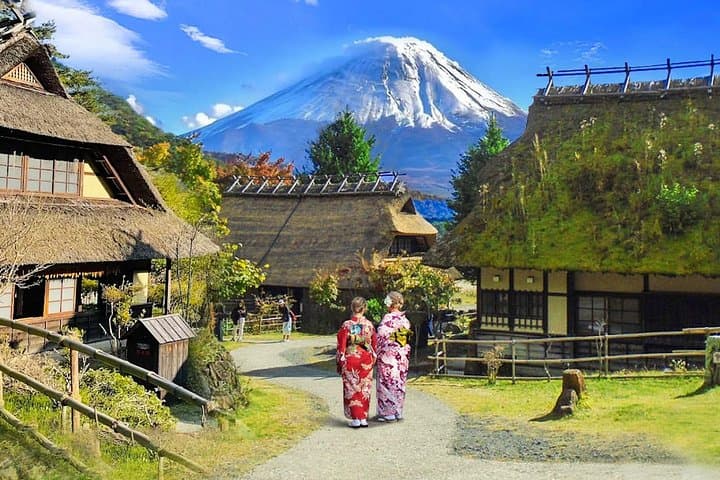
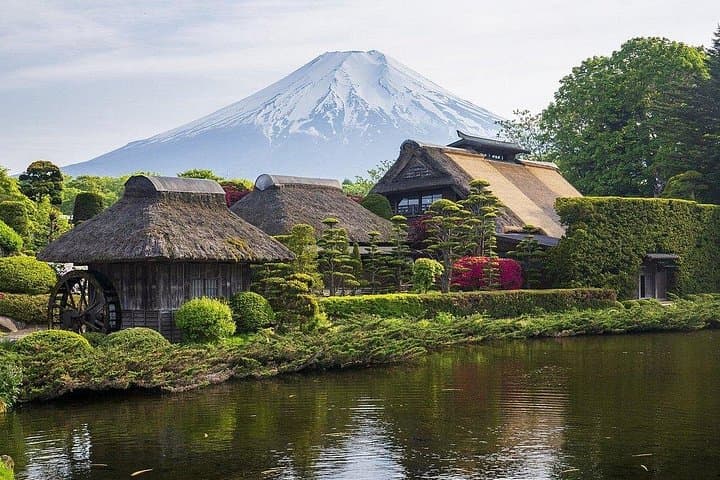
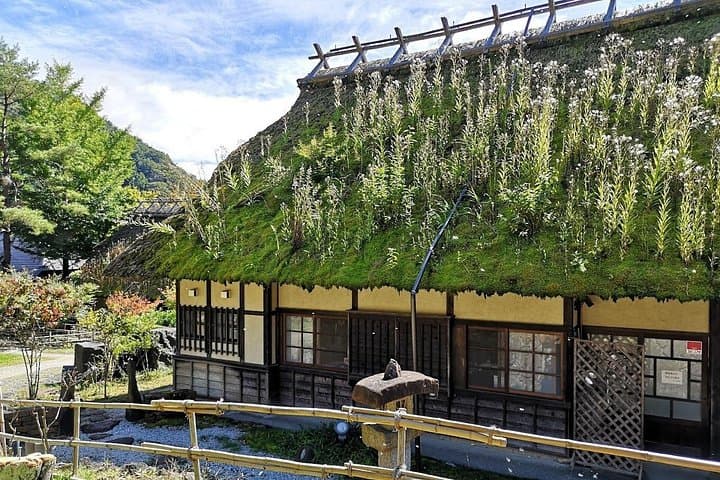
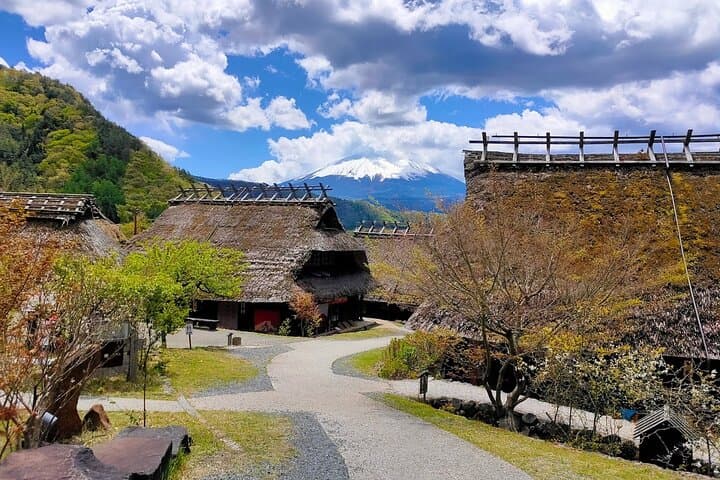
You step off the coach and the air changes—cooler, a little sharper, Mount Fuji occupying the sky like a deliberate pause. In one long sweep this full‑day tour strings together classic viewpoints: the reflective surface of Lake Kawaguchi, the flower‑lined promenade at Oishi Park, the traditional thatched roofs of Saiko Iyashi‑no‑Sato, the red torii framed at the Kawaguchiko Natural Living Center, the crystalline springs of Oshino Hakkai, and the climb to Chureito Pagoda with Fuji looming behind it.
You step off the coach and the air changes—cooler, a little sharper, Mount Fuji occupying the sky like a deliberate pause. In one long sweep this full‑day tour strings together classic viewpoints: the reflective surface of Lake Kawaguchi, the flower‑lined promenade at Oishi Park, the traditional thatched roofs of Saiko Iyashi‑no‑Sato, the red torii framed at the Kawaguchiko Natural Living Center, the crystalline springs of Oshino Hakkai, and the climb to Chureito Pagoda with Fuji looming behind it.
Geology here is immediate: Fuji’s cone is the product of repeated Plinian eruptions that shaped lakes and valleys around its base ten thousand years ago, leaving volcanic soils that support the region’s fields and gardens. Culturally, the route stitches Shinto shrines, Edo‑era villages, and photographic altars used by pilgrims and painters for centuries. Expect local touches—udon and sweet rice cakes at Oshino Hakkai, thatched‑roof carpentry at Iyashi‑no‑Sato, and the ritual hush of worship at Arakura Fuji Sengen Shrine.
Practically, the day is paced and driver‑led: several short stops for photos and walks, one longer stop to explore a village or pagoda (plan for stairs). Visibility is the variable—Fuji can hide in clouds—so build flexibility into your expectations. Bring layered clothing for mountain breezes, comfortable shoes for uneven village lanes and the pagoda steps, and spare cash for small vendors. Arrive at the Tokyo meeting point early, keep your camera ready, and let the day arrange itself around the mountain’s moods.