THE ADVENTURE COLLECTIVE® · Independent discovery and booking for outdoor travel

Spend a day from Tokyo exploring Lake Kawaguchiko and Mount Fuji: a ropeway ascent for panoramic views, a lakeside matcha ceremony, and visits to photogenic spots like Oshino Hakkai and Oishi Park. This practical guide previews what to expect and how to prepare.
Spend a day from Tokyo exploring Lake Kawaguchiko and Mount Fuji: a ropeway ascent for panoramic views, a lakeside matcha ceremony, and visits to photogenic spots like Oshino Hakkai and Oishi Park. This practical guide previews what to expect and how to prepare.
You step off the bus at Lake Kawaguchiko and the air changes—cool, clear, and threaded with pine and lake spray. Mount Fuji dominates the horizon, a calm, snow-capped peak that seems to measure time in seasons rather than minutes. The group moves toward the Kachikachi Ropeway; the cable car lifts you above cedar-forested slopes and opens a 360° window onto the lake, the South Alps, and villages clustered at the mountain’s base.
Verified experiences and guided adventures in the surrounding area.
Operated by Caiyi Travel · Fujikawaguchiko, Yamanashi
You step off the bus at Lake Kawaguchiko and the air changes—cool, clear, and threaded with pine and lake spray. Mount Fuji dominates the horizon, a calm, snow-capped peak that seems to measure time in seasons rather than minutes. The group moves toward the Kachikachi Ropeway; the cable car lifts you above cedar-forested slopes and opens a 360° window onto the lake, the South Alps, and villages clustered at the mountain’s base.
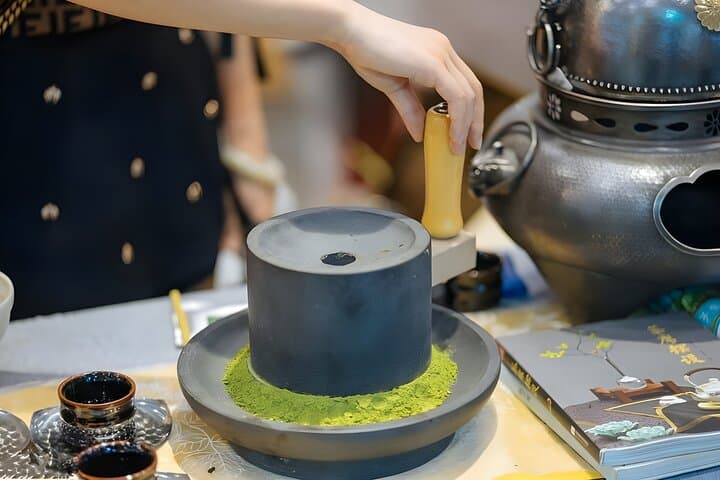
This area formed as volcanic activity built Mount Fuji and fed cold, filtered springs that give Oshino Hakkai its crystalline ponds—protected as a national natural monument. Kawaguchiko has long been a pilgrimage and leisure destination; today’s matcha ceremony by the lakeshore connects that practical reverence with a quiet, cultural practice of presence.
Expect short walks, photo stops, and cultural interpretation mixed into a mostly coach-based day. The ropeway summit has a compact observation deck and a short trail; visibility depends on weather, so mornings often provide the clearest views. Oshino Hakkai offers level boardwalks and reflective pond photos, while Oishi Park gives seasonal floral foregrounds to Fuji’s profile.
Practical guidance: arrive in Tokyo with layered clothing, download the tour email the night before, and keep a printed or mobile ticket handy. Bring a reusable water bottle, a modest daypack, and shoes for light walking. If the ropeway is closed for weather, the operator substitutes a boat ride; carry motion-sickness remedies if you’re sensitive. Plan for a full 10-hour day including travel time—rewarding vistas and a measured taste of regional traditions await.
easy.
10 hours.
Light fitness required—mostly seated travel with short, easy walks and stairs at the ropeway station
If the ropeway cannot operate due to weather, the itinerary is adjusted—often with a Sengoku-area boat ride or alternate viewpoints; the operator will notify guests.
Yes—the guided matcha session is set up for first-timers and explains preparation and etiquette in simple steps.
Each guest may bring one free piece of luggage; oversized or extra bags may incur fees—check the tour email for details.
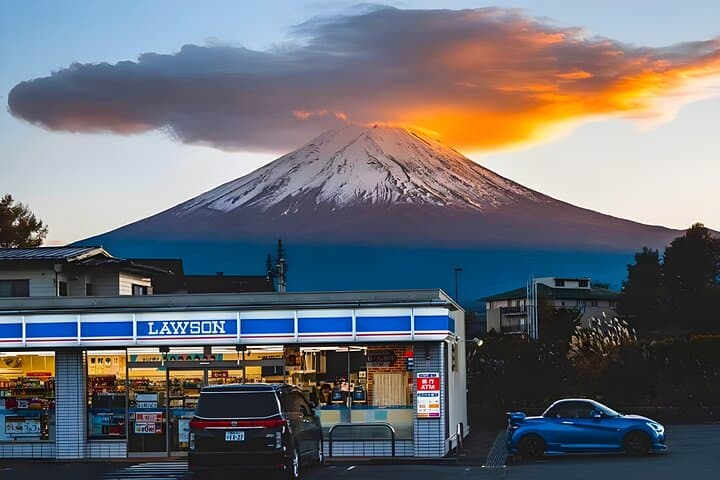
The tour includes light refreshments at Lawson (ice cream/coffee/tea) but not full meals; plan to purchase food locally or bring snacks.
Mount Fuji has been a religious and cultural landmark for centuries; Oshino Hakkai’s springs are fed by underground aquifers from Fuji’s snowmelt and are protected as a national natural monument.
Stick to marked paths around the springs and avoid feeding wildlife; minimize single-use plastics and respect signage around protected ponds to preserve water clarity.
Caiyi Travel operates guided outdoor trips and adventures with an emphasis on safety, stewardship, and memorable experiences.
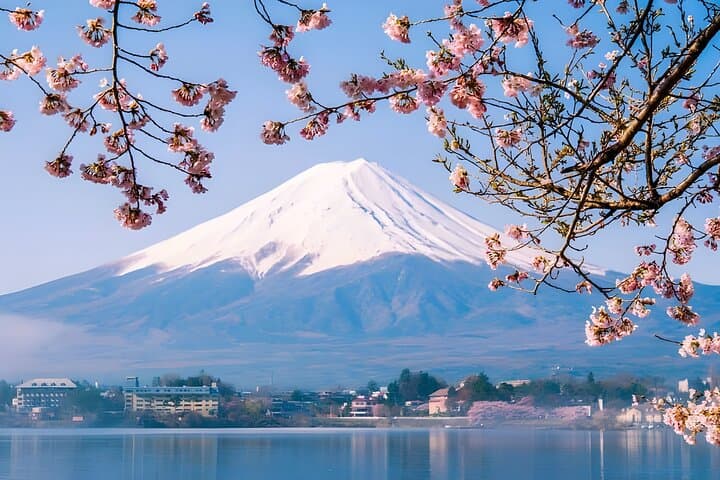

You step off the bus at Lake Kawaguchiko and the air changes—cool, clear, and threaded with pine and lake spray. Mount Fuji dominates the horizon, a calm, snow-capped peak that seems to measure time in seasons rather than minutes. The group moves toward the Kachikachi Ropeway; the cable car lifts you above cedar-forested slopes and opens a 360° window onto the lake, the South Alps, and villages clustered at the mountain’s base.
You step off the bus at Lake Kawaguchiko and the air changes—cool, clear, and threaded with pine and lake spray. Mount Fuji dominates the horizon, a calm, snow-capped peak that seems to measure time in seasons rather than minutes. The group moves toward the Kachikachi Ropeway; the cable car lifts you above cedar-forested slopes and opens a 360° window onto the lake, the South Alps, and villages clustered at the mountain’s base.
This area formed as volcanic activity built Mount Fuji and fed cold, filtered springs that give Oshino Hakkai its crystalline ponds—protected as a national natural monument. Kawaguchiko has long been a pilgrimage and leisure destination; today’s matcha ceremony by the lakeshore connects that practical reverence with a quiet, cultural practice of presence.
Expect short walks, photo stops, and cultural interpretation mixed into a mostly coach-based day. The ropeway summit has a compact observation deck and a short trail; visibility depends on weather, so mornings often provide the clearest views. Oshino Hakkai offers level boardwalks and reflective pond photos, while Oishi Park gives seasonal floral foregrounds to Fuji’s profile.
Practical guidance: arrive in Tokyo with layered clothing, download the tour email the night before, and keep a printed or mobile ticket handy. Bring a reusable water bottle, a modest daypack, and shoes for light walking. If the ropeway is closed for weather, the operator substitutes a boat ride; carry motion-sickness remedies if you’re sensitive. Plan for a full 10-hour day including travel time—rewarding vistas and a measured taste of regional traditions await.