THE ADVENTURE COLLECTIVE® · Independent discovery and booking for outdoor travel

Spend a full day around Mount Fuji visiting Chureito Pagoda, the crystal ponds of Oshino Hakkai, and Gotemba Premium Outlets—finish with an optional onsen soak. This guided loop pairs geological wonder with cultural stops and convenient transfers from Tokyo.
Spend a full day around Mount Fuji visiting Chureito Pagoda, the crystal ponds of Oshino Hakkai, and Gotemba Premium Outlets—finish with an optional onsen soak. This guided loop pairs geological wonder with cultural stops and convenient transfers from Tokyo.
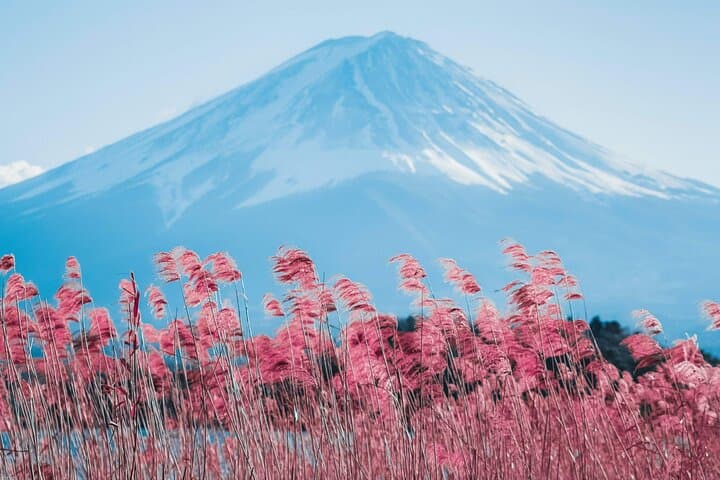
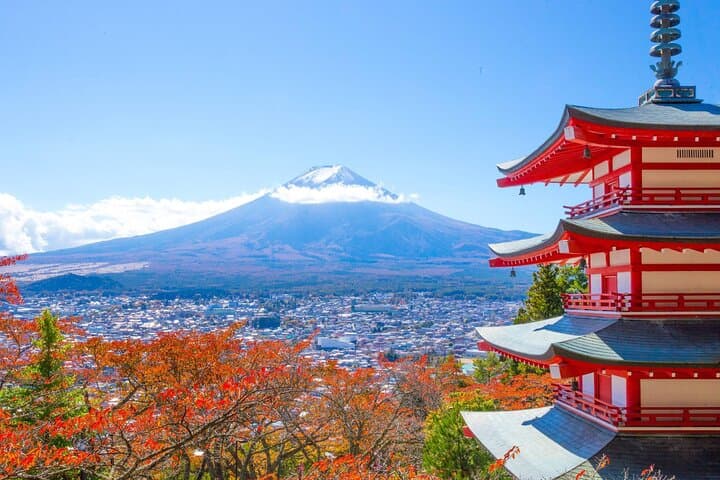
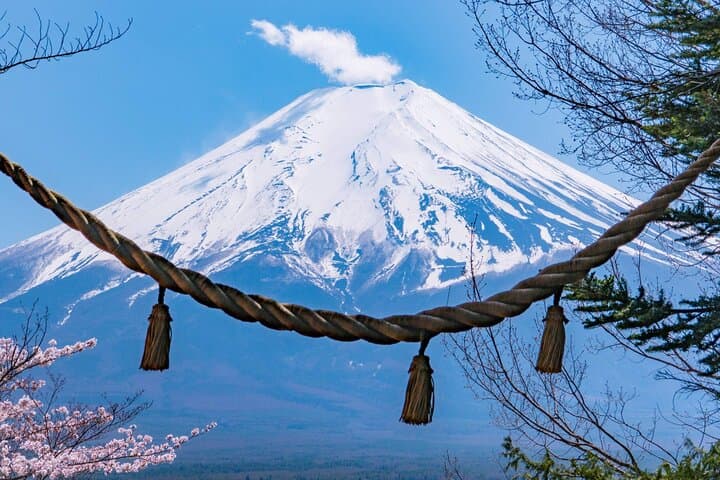
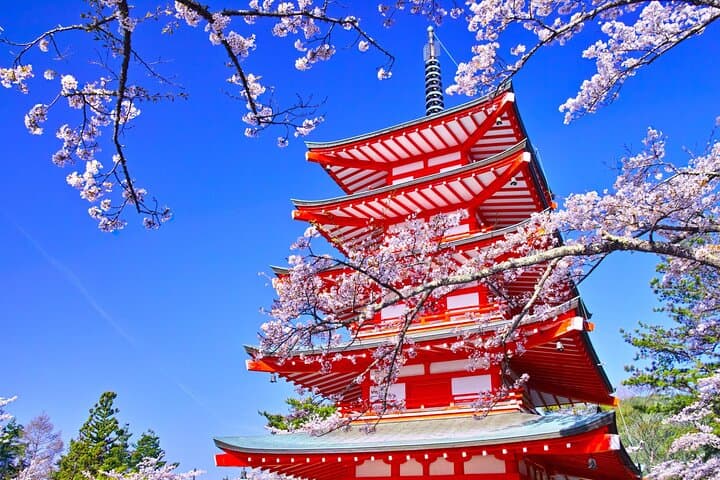
A low, bleached sun slices across the plain as the coach pulls away from Tokyo—Mount Fuji rises ahead, a stoic cone wearing a shifting cap of cloud. The first stop drops you at a stair-lined lookout where the five-storied Chureito Pagoda frames Fuji’s profile; cherry trees breathe around the steps in spring and the view demands slow attention.
Verified experiences and guided adventures in the surrounding area.
Operated by Trevopedia Wonders · Fujiyoshida, Yamanashi
A low, bleached sun slices across the plain as the coach pulls away from Tokyo—Mount Fuji rises ahead, a stoic cone wearing a shifting cap of cloud. The first stop drops you at a stair-lined lookout where the five-storied Chureito Pagoda frames Fuji’s profile; cherry trees breathe around the steps in spring and the view demands slow attention.
This full-day loop threads cultural and geological highlights. Mount Fuji is an active stratovolcano whose snowmelt feeds the clear ponds of Oshino Hakkai; those springs have supplied villages for centuries and reflect the mountain like polished glass. Arakurayama Sengen Park and the Chureito Pagoda were built as places of remembrance and reflection, while Gotemba has evolved into Japan’s largest outlet center—modern commerce at the foot of an ancient peak. Onsens in the foothills use deep volcanic heat; bathing here follows long-standing Japanese ritual.
Practical guidance: the tour lasts about 9–10 hours including round-trip transfers from Tokyo. Visibility is weather-dependent—clear mornings are best—so bring layers for temperature swings from city warmth to roughly 2,300 m at the 5th Station (when visited). Expect paved walking and short stair climbs (Arakurayama has ~400 steps). Carry water, cash for small vendors, and a compact rain shell; cameras with polarizers help with reflections in the ponds. Accessibility is generally good on this organized tour, but check seasonal access: the 5th Station and pagoda stops vary by date. Plan for an early start and a long, rewarding day that mixes geology, culture, and relaxation beneath one of Japan’s most famous summits.
easy.
9–10 hours.
Suitable for travelers in average physical condition; involves short climbs and standing at viewpoints.
Visibility depends on weather and season; mornings tend to be clearer—guides monitor forecasts but cloud cover can obstruct views on any given day.
Yes, the itinerary includes both but note the tour alternates stops by season—the 5th Station is visited April 26–Nov 30 and Arakurayama Sengen Park has specific seasonal windows.
The tour lists wheelchair-accessible transportation and paths for many stops, but some viewpoints have stairs—contact the operator to confirm accessibility at specific sites.
Yes, bring your passport for duty-free purchases and to access certain tax-exemption services at Japanese outlets.
Mount Fuji has been a sacred site and subject of pilgrimage for centuries; the Chureito Pagoda area was constructed in the mid-20th century as a peace memorial and viewing point.
Visitors should stay on marked paths around the ponds and pagoda to protect fragile vegetation; use refillable bottles and dispose of waste properly to limit impact.
Trevopedia Wonders operates guided outdoor trips and adventures with an emphasis on safety, stewardship, and memorable experiences.
A low, bleached sun slices across the plain as the coach pulls away from Tokyo—Mount Fuji rises ahead, a stoic cone wearing a shifting cap of cloud. The first stop drops you at a stair-lined lookout where the five-storied Chureito Pagoda frames Fuji’s profile; cherry trees breathe around the steps in spring and the view demands slow attention.
A low, bleached sun slices across the plain as the coach pulls away from Tokyo—Mount Fuji rises ahead, a stoic cone wearing a shifting cap of cloud. The first stop drops you at a stair-lined lookout where the five-storied Chureito Pagoda frames Fuji’s profile; cherry trees breathe around the steps in spring and the view demands slow attention.
This full-day loop threads cultural and geological highlights. Mount Fuji is an active stratovolcano whose snowmelt feeds the clear ponds of Oshino Hakkai; those springs have supplied villages for centuries and reflect the mountain like polished glass. Arakurayama Sengen Park and the Chureito Pagoda were built as places of remembrance and reflection, while Gotemba has evolved into Japan’s largest outlet center—modern commerce at the foot of an ancient peak. Onsens in the foothills use deep volcanic heat; bathing here follows long-standing Japanese ritual.
Practical guidance: the tour lasts about 9–10 hours including round-trip transfers from Tokyo. Visibility is weather-dependent—clear mornings are best—so bring layers for temperature swings from city warmth to roughly 2,300 m at the 5th Station (when visited). Expect paved walking and short stair climbs (Arakurayama has ~400 steps). Carry water, cash for small vendors, and a compact rain shell; cameras with polarizers help with reflections in the ponds. Accessibility is generally good on this organized tour, but check seasonal access: the 5th Station and pagoda stops vary by date. Plan for an early start and a long, rewarding day that mixes geology, culture, and relaxation beneath one of Japan’s most famous summits.