THE ADVENTURE COLLECTIVE® · Independent discovery and booking for outdoor travel

Spend a day out of Tokyo by private car, visiting Chureito Pagoda, Oshino Hakkai, Lake Kawaguchi and the Mt. Fuji 5th Station. This practical, guided loop combines panoramic viewpoints, cultural shrines, and short nature walks—all timed to maximize photo light and minimize crowds.
Spend a day out of Tokyo by private car, visiting Chureito Pagoda, Oshino Hakkai, Lake Kawaguchi and the Mt. Fuji 5th Station. This practical, guided loop combines panoramic viewpoints, cultural shrines, and short nature walks—all timed to maximize photo light and minimize crowds.
Travelers leave Tokyo before traffic builds and watch the skyline thin into rice fields and low hills, the car turning toward a mountain that grows with every kilometer. The guide times viewpoints and stops so Mount Fuji reveals itself in stages — first a distant white cap, then a perfect cone framed by pines, and finally a close-up at lakeshores and shrines.
Verified experiences and guided adventures in the surrounding area.
Operated by Matcha Tour · Fujikawaguchiko, Yamanashi
Travelers leave Tokyo before traffic builds and watch the skyline thin into rice fields and low hills, the car turning toward a mountain that grows with every kilometer. The guide times viewpoints and stops so Mount Fuji reveals itself in stages — first a distant white cap, then a perfect cone framed by pines, and finally a close-up at lakeshores and shrines.
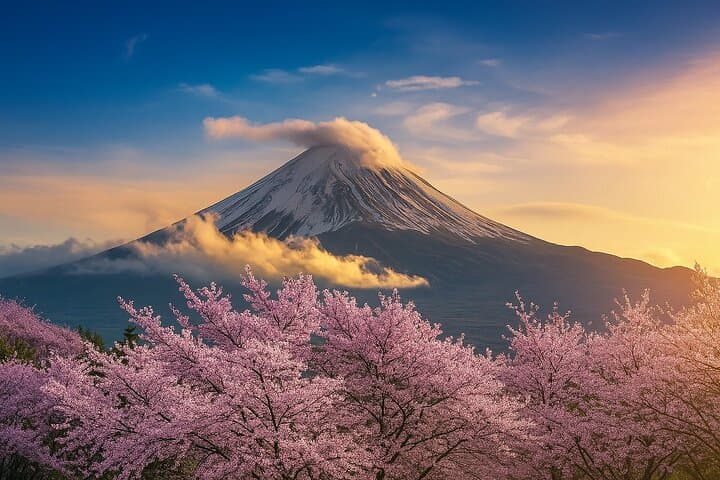
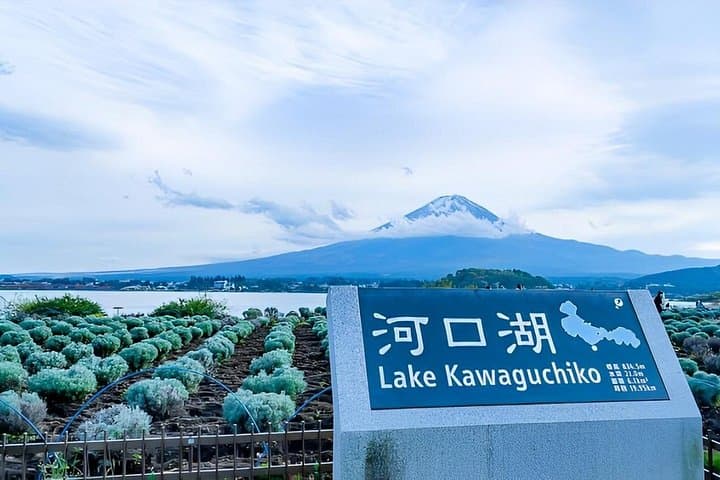
The route stitches together Shinto history and volcanic geology: Kitaguchi Hongu Fuji Sengen Shrine has welcomed pilgrims for centuries at the north trailhead, while the lava flows that made Narusawa Ice Cave still hold pockets of year-round ice. Chureito Pagoda provides the iconic composition of pagoda, blossoms, and Fuji — a modern photo classic built on an older shrine site. Lake Kawaguchi’s shoreline, shaped by ash and glacial runoff, offers calm water reflections and local eateries serving freshwater fish.
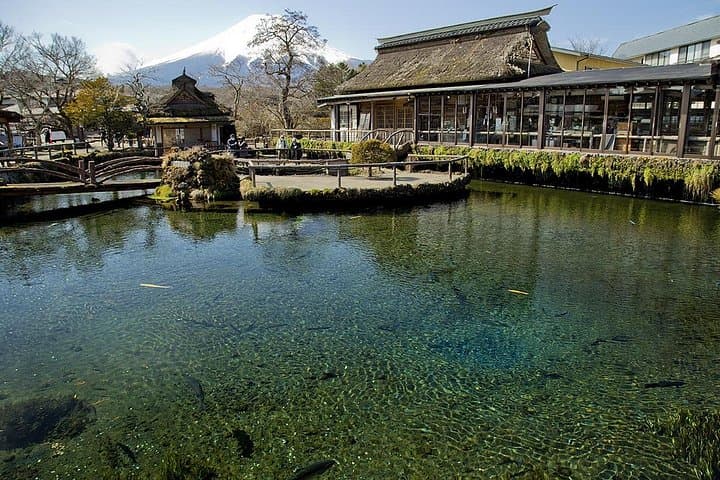
Practical guidance is straightforward: this is a transport-led day with modest on-foot sections—steps at Chureito, short boardwalks at Oshino Hakkai, and brief walks at the 5th Station if weather allows. Visitors should layer for rapid temperature changes (sea level warmth to alpine chill), carry water and sun protection, and plan for early starts to avoid weekend crowds. Note: during climbing season private cars may be restricted to the 5th Station; you may need to transfer to a bus.
Expect a mix of cultural stops, quick nature walks, and panoramic viewpoints — an efficient way to experience Fuji’s geology, shrine culture, and lakeside calm without an overnight stay.
easy.
9–10 hours.
Suitable for travelers of average fitness; involves short walks and stairs but no sustained hiking.
No — the tour is transport-based with short walks and stairs; it's suitable for most fitness levels.
No — reaching the summit is a multi-stage climb; this tour visits the 5th Station for views but not a summit ascent.
Most shrine entries and viewpoints are free; dining and any admission fees (e.g., museums) are typically not included unless stated.
The operator may alter the itinerary to lower-elevation sights; in some cases the tour can be canceled for a refund if visibility is poor.
Mount Fuji has been a sacred site in Shinto belief for centuries; the Kitaguchi Hongu Fuji Sengen Shrine historically functioned as the traditional starting point for pilgrims on the Yoshida Trail.
Visitors are asked to respect shrine grounds and stay on marked paths; during peak season, controlled access to sensitive areas like the 5th Station reduces erosion and crowding.
Matcha Tour operates guided outdoor trips and adventures with an emphasis on safety, stewardship, and memorable experiences.
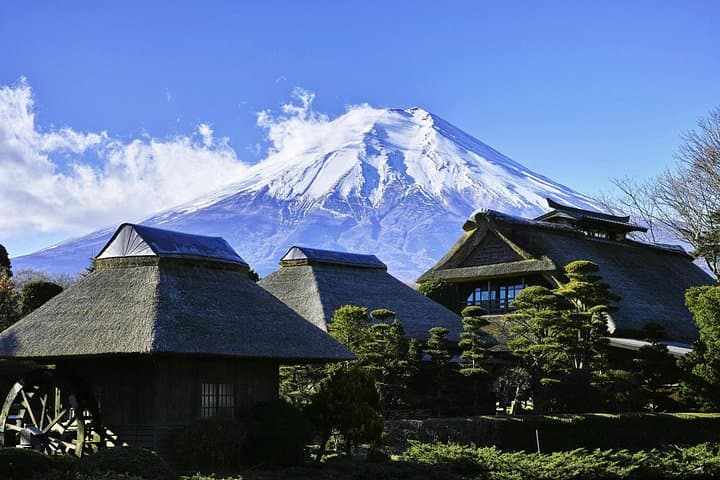
Travelers leave Tokyo before traffic builds and watch the skyline thin into rice fields and low hills, the car turning toward a mountain that grows with every kilometer. The guide times viewpoints and stops so Mount Fuji reveals itself in stages — first a distant white cap, then a perfect cone framed by pines, and finally a close-up at lakeshores and shrines.
Travelers leave Tokyo before traffic builds and watch the skyline thin into rice fields and low hills, the car turning toward a mountain that grows with every kilometer. The guide times viewpoints and stops so Mount Fuji reveals itself in stages — first a distant white cap, then a perfect cone framed by pines, and finally a close-up at lakeshores and shrines.
The route stitches together Shinto history and volcanic geology: Kitaguchi Hongu Fuji Sengen Shrine has welcomed pilgrims for centuries at the north trailhead, while the lava flows that made Narusawa Ice Cave still hold pockets of year-round ice. Chureito Pagoda provides the iconic composition of pagoda, blossoms, and Fuji — a modern photo classic built on an older shrine site. Lake Kawaguchi’s shoreline, shaped by ash and glacial runoff, offers calm water reflections and local eateries serving freshwater fish.
Practical guidance is straightforward: this is a transport-led day with modest on-foot sections—steps at Chureito, short boardwalks at Oshino Hakkai, and brief walks at the 5th Station if weather allows. Visitors should layer for rapid temperature changes (sea level warmth to alpine chill), carry water and sun protection, and plan for early starts to avoid weekend crowds. Note: during climbing season private cars may be restricted to the 5th Station; you may need to transfer to a bus.
Expect a mix of cultural stops, quick nature walks, and panoramic viewpoints — an efficient way to experience Fuji’s geology, shrine culture, and lakeside calm without an overnight stay.