THE ADVENTURE COLLECTIVE® · Independent discovery and booking for outdoor travel

A full-day private circuit that pairs Mt. Fuji viewpoints with cultural sites in Hakone and the Fuji Five Lakes. Visit Chureito Pagoda, Oshino Hakkai springs and lakeside parks while a guide handles logistics and local insights.
A full-day private circuit that pairs Mt. Fuji viewpoints with cultural sites in Hakone and the Fuji Five Lakes. Visit Chureito Pagoda, Oshino Hakkai springs and lakeside parks while a guide handles logistics and local insights.
Morning light clears the low clouds and the cone of Mount Fuji asserts itself—snow at the crown in cool months, bare volcanic shoulders in summer—and the day becomes a moving sequence of frames: a five-story pagoda on a hill, glass-calm lakes mirroring the peak, cedar-lined shrine approaches smelling of moss and incense.
Verified experiences and guided adventures in the surrounding area.
Operated by Mogambo Tours · Fujikawaguchiko, Yamanashi
Morning light clears the low clouds and the cone of Mount Fuji asserts itself—snow at the crown in cool months, bare volcanic shoulders in summer—and the day becomes a moving sequence of frames: a five-story pagoda on a hill, glass-calm lakes mirroring the peak, cedar-lined shrine approaches smelling of moss and incense.
This full-day route threads natural history with cultural practice. Fuji grew from repeated eruptions over the last 100,000 years; its lava flows created caves and the dense Aokigahara forest. Centuries of religious reverence gave rise to Asama shrines like Kitaguchi Hongu Fuji Sengen, pilgrimage routes and the modern UNESCO World Cultural Heritage designation of 2013. Local villages and hot-spring towns such as Hakone developed around these resources, blending onsen culture with mountain viewing.
Expect short walks, viewpoints and shrine precincts rather than intense alpine travel. Stops commonly include Chureito Pagoda (a 398-step viewpoint), Oshino Hakkai springs, Lake Kawaguchi and Oishi Park, and the ethereal Narusawa Ice Cave in Aokigahara. Guides handle driving and local logistics; accessible stops are available but some sites require stairs or uneven stone paths.
Practical tips: build the day around clear-weather windows for photography, wear grippy shoes for stone lantern approaches, and bring layers—wind at higher elevation can bite. Hydrate on the coach and carry cash for small shrine donations, snacks and onsen entrances. Respect shrine etiquette, stay on marked trails in the forest, and pack a compact rain shell—Fuji’s weather can change fast.
easy.
10 hours.
Suitable for most fitness levels but expect a full day of short walks, stairs and standing; basic stamina required for a long touring day.
This private full-day tour runs about 10 hours and typically includes Mount Fuji viewpoints, Chureito Pagoda, Oshino Hakkai springs, Lake Kawaguchi/Oishi Park, and select Hakone or Aokigahara stops depending on itinerary.
No—most stops involve short walks, steps and easy paths; the tour is rated suitable for a wide range of fitness levels, but it is a long day with periods of standing and walking on uneven surfaces.
Visibility depends on weather; mornings and clear, cool days offer the best chances. Guides plan stops to maximize viewing but cannot guarantee summit views when clouds or haze are present.
Many stops have basic facilities and some wheelchair-accessible viewpoints, but several sites involve stairs or uneven stone approaches; notify the operator in advance for specific accessibility needs.
Mount Fuji has been a sacred site for centuries and was listed as a UNESCO World Cultural Heritage site in 2013 for its cultural significance and associated shrines and pilgrim routes.
The region emphasizes trail protection, clean-water springs preservation and respectful shrine practices—stay on paths, pack out waste and avoid disturbing fragile forest features.
Mogambo Tours operates guided outdoor trips and adventures with an emphasis on safety, stewardship, and memorable experiences.
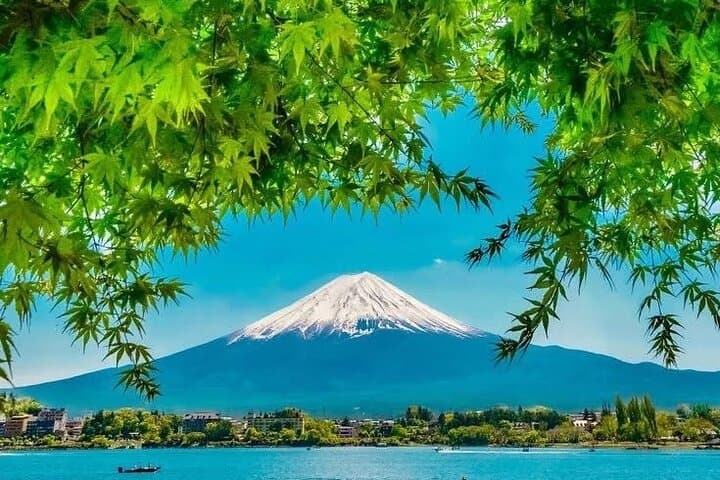
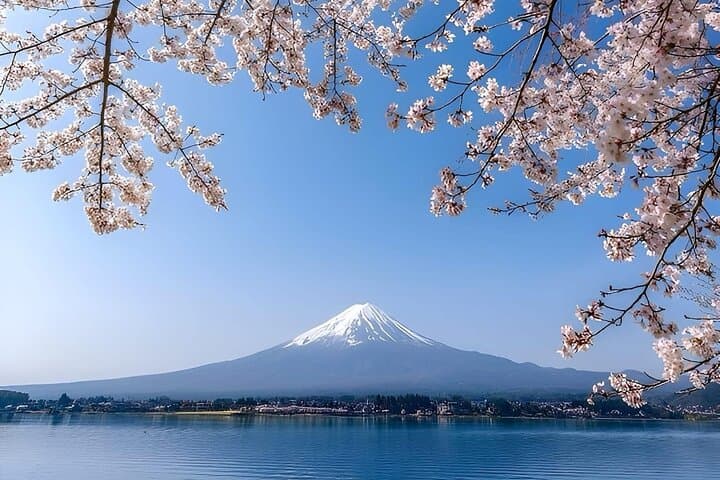
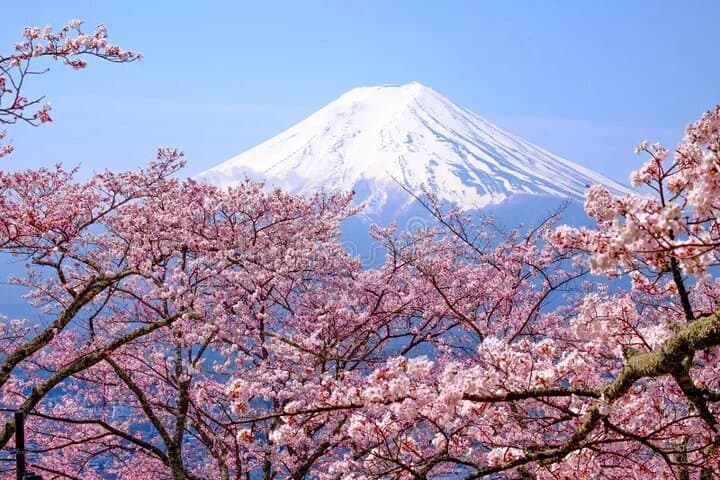
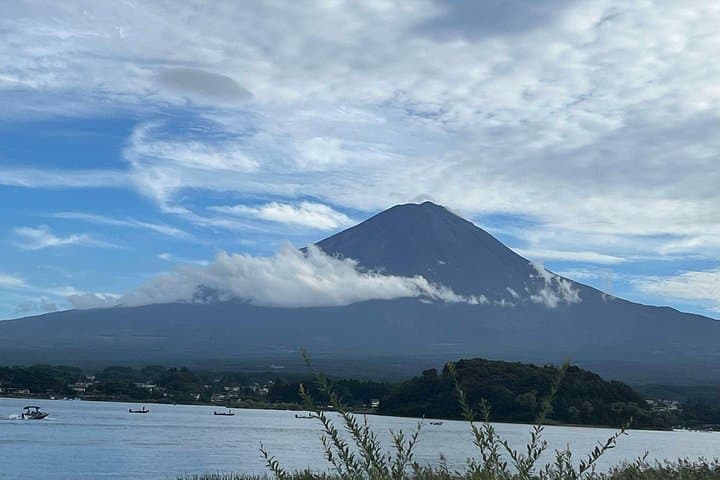
Morning light clears the low clouds and the cone of Mount Fuji asserts itself—snow at the crown in cool months, bare volcanic shoulders in summer—and the day becomes a moving sequence of frames: a five-story pagoda on a hill, glass-calm lakes mirroring the peak, cedar-lined shrine approaches smelling of moss and incense.
Morning light clears the low clouds and the cone of Mount Fuji asserts itself—snow at the crown in cool months, bare volcanic shoulders in summer—and the day becomes a moving sequence of frames: a five-story pagoda on a hill, glass-calm lakes mirroring the peak, cedar-lined shrine approaches smelling of moss and incense.
This full-day route threads natural history with cultural practice. Fuji grew from repeated eruptions over the last 100,000 years; its lava flows created caves and the dense Aokigahara forest. Centuries of religious reverence gave rise to Asama shrines like Kitaguchi Hongu Fuji Sengen, pilgrimage routes and the modern UNESCO World Cultural Heritage designation of 2013. Local villages and hot-spring towns such as Hakone developed around these resources, blending onsen culture with mountain viewing.
Expect short walks, viewpoints and shrine precincts rather than intense alpine travel. Stops commonly include Chureito Pagoda (a 398-step viewpoint), Oshino Hakkai springs, Lake Kawaguchi and Oishi Park, and the ethereal Narusawa Ice Cave in Aokigahara. Guides handle driving and local logistics; accessible stops are available but some sites require stairs or uneven stone paths.
Practical tips: build the day around clear-weather windows for photography, wear grippy shoes for stone lantern approaches, and bring layers—wind at higher elevation can bite. Hydrate on the coach and carry cash for small shrine donations, snacks and onsen entrances. Respect shrine etiquette, stay on marked trails in the forest, and pack a compact rain shell—Fuji’s weather can change fast.