THE ADVENTURE COLLECTIVE® · Independent discovery and booking for outdoor travel

Spend a day circling Mount Fuji’s most photographed angles—from the Chureito Pagoda staircase to the reflective banks of Lake Kawaguchi and the crystal ponds of Oshino Hakkai. This practical guide covers what to expect, cultural context, and how to prepare for a full but accessible day trip.
Spend a day circling Mount Fuji’s most photographed angles—from the Chureito Pagoda staircase to the reflective banks of Lake Kawaguchi and the crystal ponds of Oshino Hakkai. This practical guide covers what to expect, cultural context, and how to prepare for a full but accessible day trip.
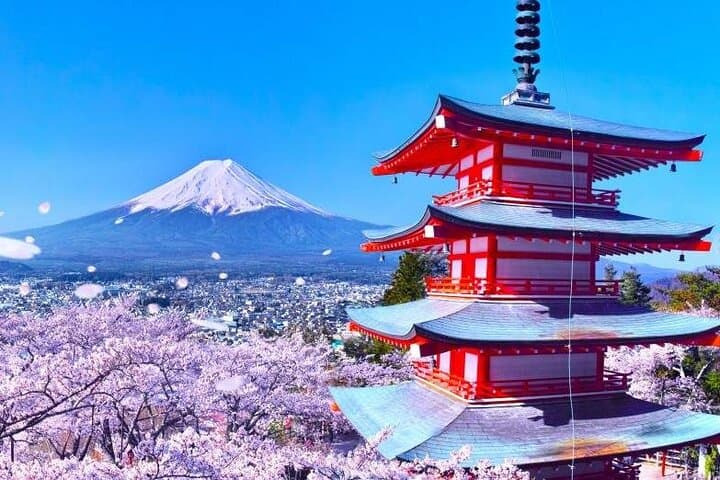
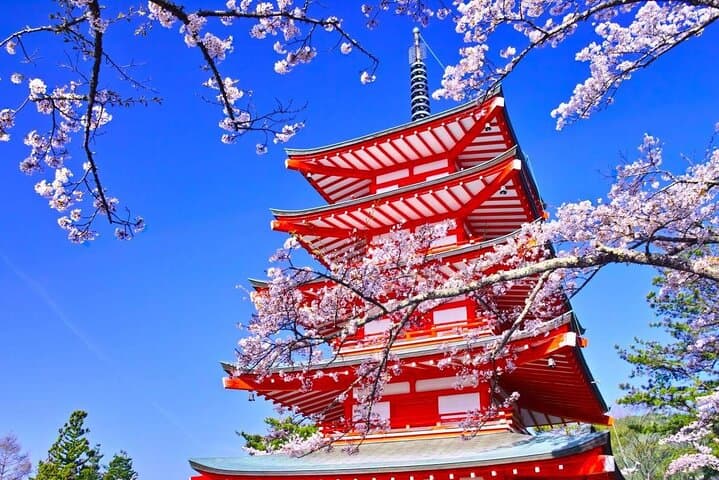
A crisp morning near Mount Fuji feels like a held breath: cool air pushes through pine boughs as you climb the 398 steps to Chureito Pagoda and the mountain slowly reveals itself, framed by vermilion wood and seasonal blossoms. The tour moves from this cinematic overlook down to the glassy mirror of Lake Kawaguchi, then on to Oshino Hakkai’s spring-fed ponds where the snowmelt still tastes of mountain time.
Verified experiences and guided adventures in the surrounding area.
Operated by TREVOPEDIA · Fujiyoshida, Yamanashi
A crisp morning near Mount Fuji feels like a held breath: cool air pushes through pine boughs as you climb the 398 steps to Chureito Pagoda and the mountain slowly reveals itself, framed by vermilion wood and seasonal blossoms. The tour moves from this cinematic overlook down to the glassy mirror of Lake Kawaguchi, then on to Oshino Hakkai’s spring-fed ponds where the snowmelt still tastes of mountain time.
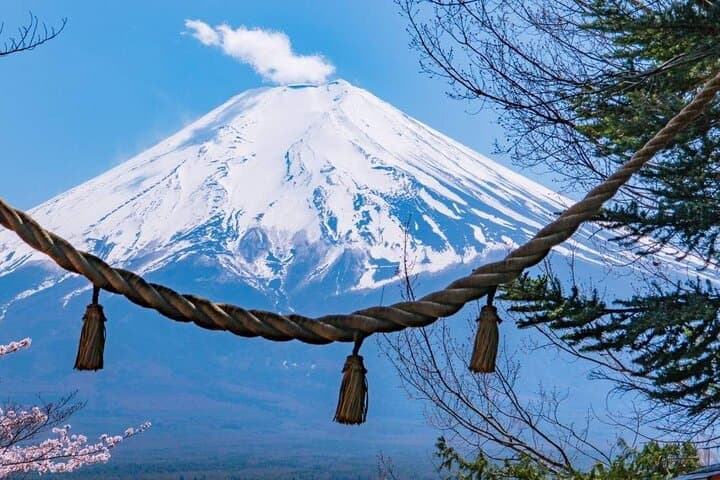
The route threads culture and geology. Arakurayama Sengen Park and its Shinkura Fuji Asama Shrine reflect centuries of local worship to the mountain, while the Fuji Five Lakes were carved and dammed by eruptions and lahars—Lake Kawaguchi occupying a basin formed over ten millennia. Along the way, small food stalls and the Kawaguchiko Natural Living Center show living traditions: local jams, soba, and seasonal soft-serve that tell the story of farming on volcanic soils.
Practical guidance: expect a full 9–10 hour day with most time spent at viewpoints and short on-foot visits. Bring layered clothing—the wind off the lake can cut through shirts—and a camera with a modest zoom for framed Fuji shots. Wear supportive shoes for the pagoda stairs and light walking around the ponds; mobility access exists for much of the route, but the Chureito viewpoint requires stair climbing. Hydrate early, plan for crowds at prime viewpoints (sunrise and cherry blossom season), and allow time for the jam workshop or a lakeside snack. The itinerary balances picture-perfect stops with touches of local life, making it an efficient, low-technical but high-reward way to experience Mount Fuji’s foothills.
easy.
9–10 hours.
Suitable for travelers with basic mobility; expect several short walks and a 398-step stair climb at Chureito Pagoda.
The tour runs about 9–10 hours (including transportation); stops typically include Chureito Pagoda, Lake Kawaguchi, Oishi Park/Kawaguchiko Natural Living Center, and the ponds at Oshino Hakkai, plus short local experiences.
Much of the route is accessible, but the Chureito Pagoda viewpoint requires climbing 398 steps; those unable to climb can still enjoy lower-level views and other accessible stops.
Yes—there are stalls, a convenience store, and the Kawaguchiko Natural Living Center selling local jams, souvenirs, and snacks; small cash amounts are handy.
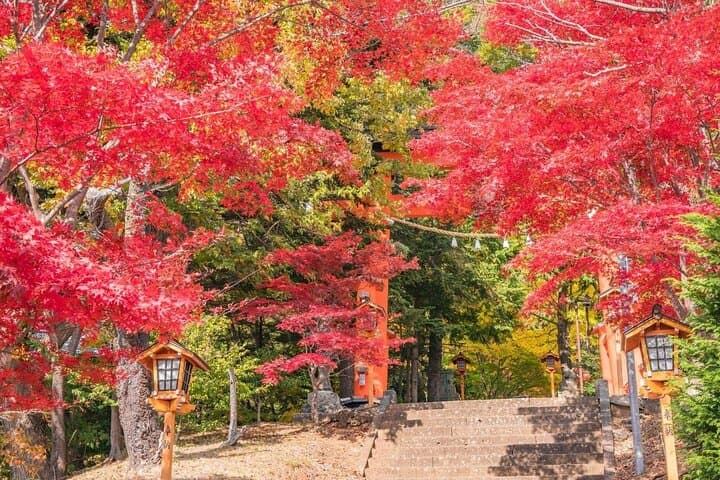
Cherry blossoms are best in late March to April, while autumn foliage peaks in November; both periods are popular and busier at viewpoints.
Arakurayama Sengen Park and its Chureito Pagoda were built in the 1960s as a peace memorial; the Fuji Five Lakes themselves formed from ancient eruptions and volcanic flows over thousands of years.
Mount Fuji’s foothills are managed to limit erosion and overcrowding—follow marked paths, dispose of waste, and respect local signage and seasonal access restrictions to protect fragile habitats.
TREVOPEDIA operates guided outdoor trips and adventures with an emphasis on safety, stewardship, and memorable experiences.
A crisp morning near Mount Fuji feels like a held breath: cool air pushes through pine boughs as you climb the 398 steps to Chureito Pagoda and the mountain slowly reveals itself, framed by vermilion wood and seasonal blossoms. The tour moves from this cinematic overlook down to the glassy mirror of Lake Kawaguchi, then on to Oshino Hakkai’s spring-fed ponds where the snowmelt still tastes of mountain time.
A crisp morning near Mount Fuji feels like a held breath: cool air pushes through pine boughs as you climb the 398 steps to Chureito Pagoda and the mountain slowly reveals itself, framed by vermilion wood and seasonal blossoms. The tour moves from this cinematic overlook down to the glassy mirror of Lake Kawaguchi, then on to Oshino Hakkai’s spring-fed ponds where the snowmelt still tastes of mountain time.
The route threads culture and geology. Arakurayama Sengen Park and its Shinkura Fuji Asama Shrine reflect centuries of local worship to the mountain, while the Fuji Five Lakes were carved and dammed by eruptions and lahars—Lake Kawaguchi occupying a basin formed over ten millennia. Along the way, small food stalls and the Kawaguchiko Natural Living Center show living traditions: local jams, soba, and seasonal soft-serve that tell the story of farming on volcanic soils.
Practical guidance: expect a full 9–10 hour day with most time spent at viewpoints and short on-foot visits. Bring layered clothing—the wind off the lake can cut through shirts—and a camera with a modest zoom for framed Fuji shots. Wear supportive shoes for the pagoda stairs and light walking around the ponds; mobility access exists for much of the route, but the Chureito viewpoint requires stair climbing. Hydrate early, plan for crowds at prime viewpoints (sunrise and cherry blossom season), and allow time for the jam workshop or a lakeside snack. The itinerary balances picture-perfect stops with touches of local life, making it an efficient, low-technical but high-reward way to experience Mount Fuji’s foothills.