THE ADVENTURE COLLECTIVE® · Independent discovery and booking for outdoor travel

Escape Tokyo for a single, well-paced day that brings you to Mount Fuji’s 5th Station, the crystal ponds of Oshino Hakkai, and the swans of Lake Yamanaka. Expect high-elevation views, short scenic walks, and photo-perfect stops around Lake Kawaguchi.
Escape Tokyo for a single, well-paced day that brings you to Mount Fuji’s 5th Station, the crystal ponds of Oshino Hakkai, and the swans of Lake Yamanaka. Expect high-elevation views, short scenic walks, and photo-perfect stops around Lake Kawaguchi.
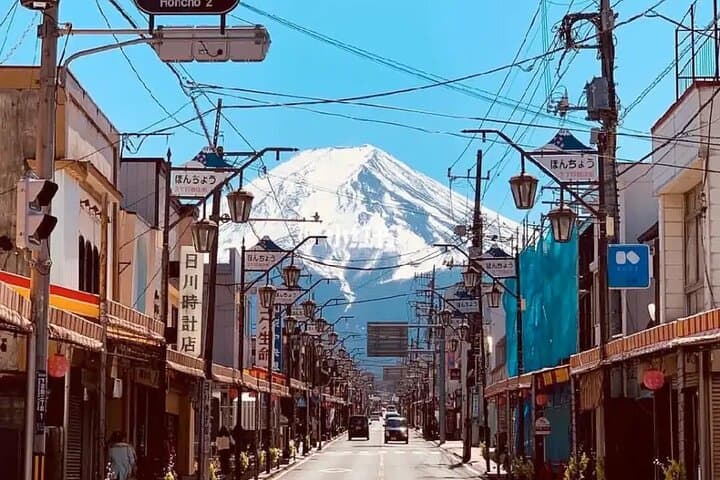
A low cloud lifts and the broad cone of Mount Fuji reveals itself in slow, cinematic motion—snow-bright summit catching the first sun as your coach climbs toward the 5th Station at roughly 2,300 meters. Crisp alpine air replaces Tokyo’s hum; souvenir stalls and wooden huts frame a lookout where photographers and day-trippers trade lenses and tips.
Verified experiences and guided adventures in the surrounding area.
Operated by Trevopedia Wonders · Fujikawaguchiko, Yamanashi Prefecture
A low cloud lifts and the broad cone of Mount Fuji reveals itself in slow, cinematic motion—snow-bright summit catching the first sun as your coach climbs toward the 5th Station at roughly 2,300 meters. Crisp alpine air replaces Tokyo’s hum; souvenir stalls and wooden huts frame a lookout where photographers and day-trippers trade lenses and tips.
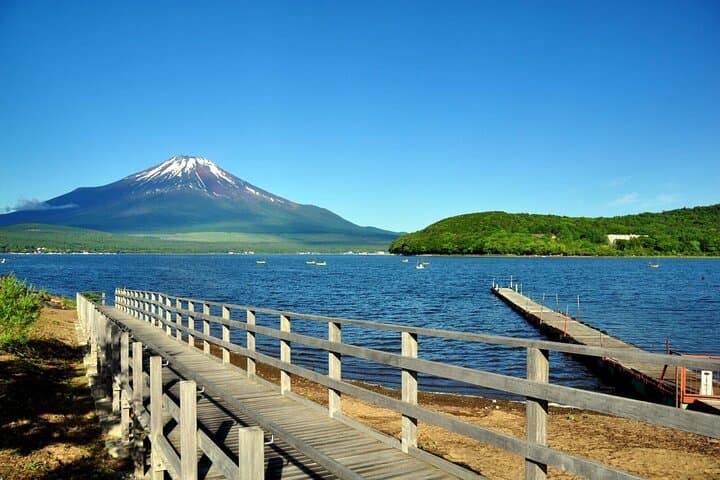
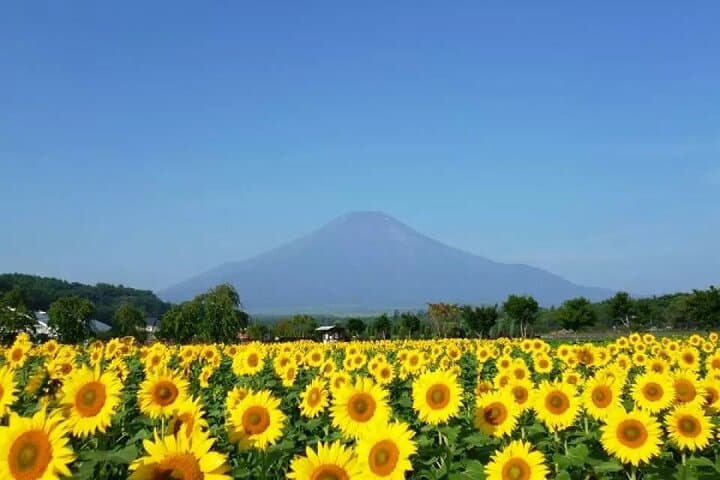
This route stitches together natural and cultural landmarks: the volcanic strata beneath Fuji that have shaped local agriculture, the eight clear springs of Oshino Hakkai formed by melted snow filtering through ancient pumice, and Lake Yamanaka—called “Swan Lake” for the winter arrivals that glide along its surface. Oishi Park on Lake Kawaguchi adds seasonal color and a panoramic perspective of the north face. Shinto reverence for Fuji and centuries of pilgrimage are visible in small shrines and village crafts along the way.
Practical side: this is a full-day, largely accessible excursion with short walks at each stop rather than a hike. Expect altitude chill at the 5th Station—layers are essential—and variable visibility: Fuji can hide behind clouds even on otherwise clear days. Photography windows are early and late; plan your best shots at the 5th Station and Oishi Park. Bring cash for small vendors, unless you plan to stay strictly digital. If the 5th Station access is restricted, operators typically substitute nearby Arakura Park for comparable vistas. Allow 8–9 hours for the loop, and keep an eye on weather updates; operators may reschedule if conditions make mountain stops unsafe.
easy.
8–9 hours.
Suitable for most travelers who can manage short, flat walks and some standing at viewpoints; no hiking fitness required.
The tour runs about 8–9 hours with typical departures from Tokyo around 07:30–08:00; meeting points vary by pickup location.
No—access depends on road and weather conditions; if closed, operators substitute viewpoints such as Arakura Park to preserve scenic value.
Round-trip transfers and a bilingual guide are usually included, but meals and boat rides are not; vendors and local restaurants are available at stops.
Many transportation elements are accessible and some flat viewing areas accommodate strollers or wheelchairs, but high-altitude paths can be uneven—check specific accessibility needs with the operator.
Mount Fuji is an active stratovolcano long revered in Shinto and pilgrimage culture; the Fuji Five Lakes developed as settlements and water sources fed by its runoff.
Stick to designated paths and avoid feeding wildlife; the Fuji area balances heavy tourism with preservation efforts, so limiting waste and respecting signage helps protect fragile alpine and wetland habitats.
Trevopedia Wonders operates guided outdoor trips and adventures with an emphasis on safety, stewardship, and memorable experiences.
A low cloud lifts and the broad cone of Mount Fuji reveals itself in slow, cinematic motion—snow-bright summit catching the first sun as your coach climbs toward the 5th Station at roughly 2,300 meters. Crisp alpine air replaces Tokyo’s hum; souvenir stalls and wooden huts frame a lookout where photographers and day-trippers trade lenses and tips.
A low cloud lifts and the broad cone of Mount Fuji reveals itself in slow, cinematic motion—snow-bright summit catching the first sun as your coach climbs toward the 5th Station at roughly 2,300 meters. Crisp alpine air replaces Tokyo’s hum; souvenir stalls and wooden huts frame a lookout where photographers and day-trippers trade lenses and tips.
This route stitches together natural and cultural landmarks: the volcanic strata beneath Fuji that have shaped local agriculture, the eight clear springs of Oshino Hakkai formed by melted snow filtering through ancient pumice, and Lake Yamanaka—called “Swan Lake” for the winter arrivals that glide along its surface. Oishi Park on Lake Kawaguchi adds seasonal color and a panoramic perspective of the north face. Shinto reverence for Fuji and centuries of pilgrimage are visible in small shrines and village crafts along the way.
Practical side: this is a full-day, largely accessible excursion with short walks at each stop rather than a hike. Expect altitude chill at the 5th Station—layers are essential—and variable visibility: Fuji can hide behind clouds even on otherwise clear days. Photography windows are early and late; plan your best shots at the 5th Station and Oishi Park. Bring cash for small vendors, unless you plan to stay strictly digital. If the 5th Station access is restricted, operators typically substitute nearby Arakura Park for comparable vistas. Allow 8–9 hours for the loop, and keep an eye on weather updates; operators may reschedule if conditions make mountain stops unsafe.