THE ADVENTURE COLLECTIVE® · Independent discovery and booking for outdoor travel

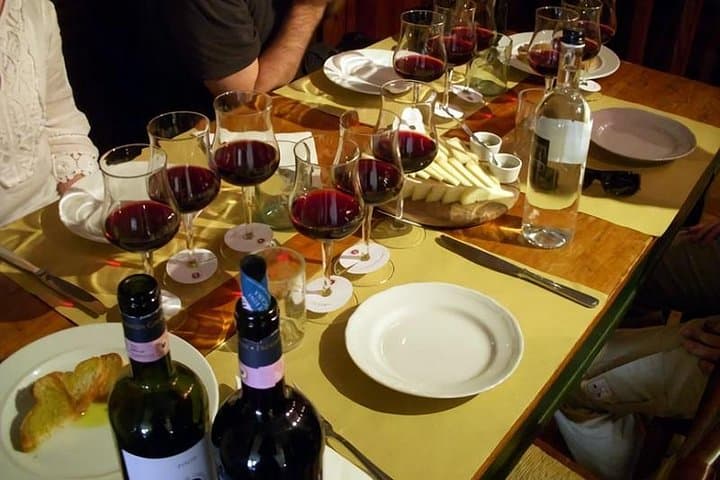
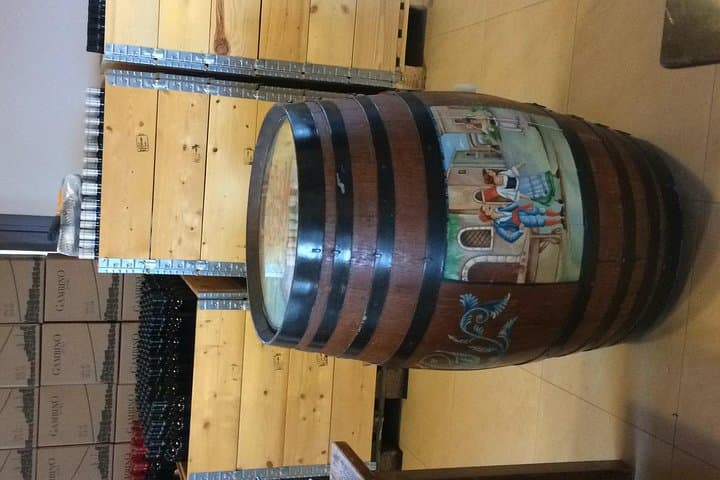
Spend a full day on Mount Etna’s southern slopes: a crater rim walk, a stop at a honey farm, and a winery lunch with five wine pairings. Expect volcanic scenery, easy crater scrambles and local flavors shaped by centuries of eruptions.
Spend a full day on Mount Etna’s southern slopes: a crater rim walk, a stop at a honey farm, and a winery lunch with five wine pairings. Expect volcanic scenery, easy crater scrambles and local flavors shaped by centuries of eruptions.
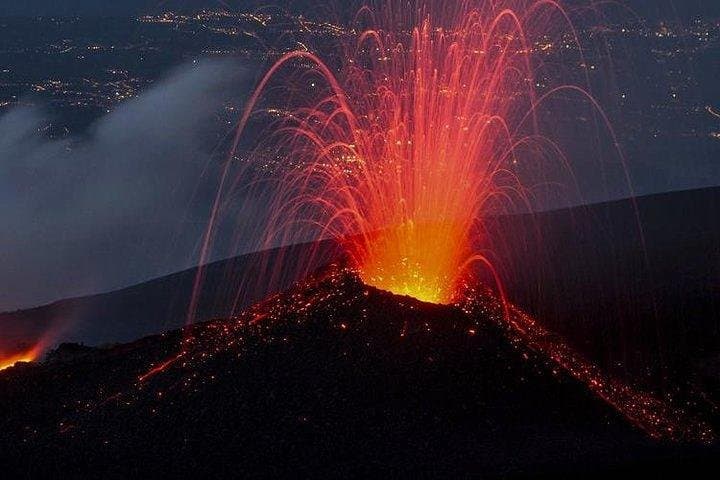
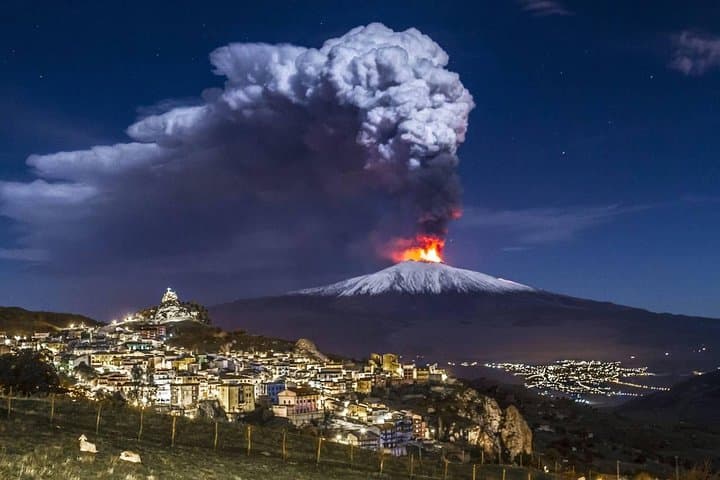
A cold wind from the summit meets you as the van climbs out of Catania and onto the black spine of Etna. Lava fields open like crusted seas; scrub pines and vineyards cling to seams of soil where life has re-established itself after recent eruptions. The tour places you on the southern flank, at eye-level with raw volcanic rock and the distant sea, then slows to the human scale—honey jars on a table, vine rows shaped by lava ridges.
Verified experiences and guided adventures in the surrounding area.
Operated by Taxi Catania NCC · Catania, Sicily
A cold wind from the summit meets you as the van climbs out of Catania and onto the black spine of Etna. Lava fields open like crusted seas; scrub pines and vineyards cling to seams of soil where life has re-established itself after recent eruptions. The tour places you on the southern flank, at eye-level with raw volcanic rock and the distant sea, then slows to the human scale—honey jars on a table, vine rows shaped by lava ridges.
Etna is one of Europe’s most active stratovolcanoes, its eruptions recorded for millennia and its soils feeding Sicilian agriculture ever since Roman times. Geology here is simple and dramatic: basaltic lava flows that once buried forests now host terraces of vines. Culturally, small towns such as Zafferana Etnea have turned volcanic bounty into specialties—honey, olive oil and resilient grape varieties that fare well in mineral-rich ground.
Practical guidance is straightforward. Expect periods of walking on loose scoria around 2,000 m and short, easy crater rim scrambles at Silvestri Craters; the winery visit follows with a seated lunch and five paired wines. Wear sturdy shoes with good traction, layers for wind and temperature swings, and bring a refillable water bottle. If you suffer from altitude sensitivity, move at an easy pace—guides keep stops frequent and the route accessible.
Timing matters: clear mornings deliver the best views, while afternoons can bring clouds or gusts. Respect private vineyards, dispose of waste, and balance tasting with hydration—the landscape here is generous but still fragile.
moderate.
7–9 hours.
Suitable for most people who can walk short uphill sections and handle uneven volcanic terrain; not ideal for limited mobility without assistance.
The day includes short, easy crater rim walks and some uphill on loose volcanic scree; it’s rated accessible for most fitness levels but requires steady footing.
Yes—lunch includes five wines paired with local dishes; guides moderate pacing and tasting quantities.
You may reach approximately 2,000 m where temperatures are lower and winds stronger—dress in layers and check for cancellations if conditions are hazardous.
Yes—infants and small children can join; the tour notes stroller access and infant seats but some walking areas have uneven surfaces.
Mount Etna’s eruptions have been recorded since antiquity; its volcanic soils supported longstanding agricultural practices and unique grape varieties.
Stay on marked paths to avoid trampling fragile vegetation and respect vineyard boundaries; local producers practice small-scale farming that benefits from low-impact tourism.
Taxi Catania NCC operates guided outdoor trips and adventures with an emphasis on safety, stewardship, and memorable experiences.
A cold wind from the summit meets you as the van climbs out of Catania and onto the black spine of Etna. Lava fields open like crusted seas; scrub pines and vineyards cling to seams of soil where life has re-established itself after recent eruptions. The tour places you on the southern flank, at eye-level with raw volcanic rock and the distant sea, then slows to the human scale—honey jars on a table, vine rows shaped by lava ridges.
A cold wind from the summit meets you as the van climbs out of Catania and onto the black spine of Etna. Lava fields open like crusted seas; scrub pines and vineyards cling to seams of soil where life has re-established itself after recent eruptions. The tour places you on the southern flank, at eye-level with raw volcanic rock and the distant sea, then slows to the human scale—honey jars on a table, vine rows shaped by lava ridges.
Etna is one of Europe’s most active stratovolcanoes, its eruptions recorded for millennia and its soils feeding Sicilian agriculture ever since Roman times. Geology here is simple and dramatic: basaltic lava flows that once buried forests now host terraces of vines. Culturally, small towns such as Zafferana Etnea have turned volcanic bounty into specialties—honey, olive oil and resilient grape varieties that fare well in mineral-rich ground.
Practical guidance is straightforward. Expect periods of walking on loose scoria around 2,000 m and short, easy crater rim scrambles at Silvestri Craters; the winery visit follows with a seated lunch and five paired wines. Wear sturdy shoes with good traction, layers for wind and temperature swings, and bring a refillable water bottle. If you suffer from altitude sensitivity, move at an easy pace—guides keep stops frequent and the route accessible.
Timing matters: clear mornings deliver the best views, while afternoons can bring clouds or gusts. Respect private vineyards, dispose of waste, and balance tasting with hydration—the landscape here is generous but still fragile.