THE ADVENTURE COLLECTIVE® · Independent discovery and booking for outdoor travel

Ride a cable car and 4x4 up Europe’s most active volcano, then trek to the highest permitted peaks with an alpine guide. Expect lunar rock, sweeping Ionian views, and a four-hour, moderate hike where conditions change fast.
Ride a cable car and 4x4 up Europe’s most active volcano, then trek to the highest permitted peaks with an alpine guide. Expect lunar rock, sweeping Ionian views, and a four-hour, moderate hike where conditions change fast.
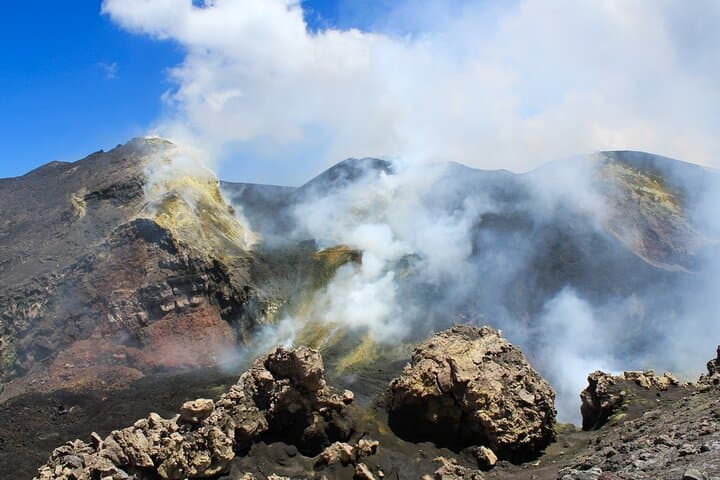
The morning air on Etna is thin and sharp; steam curls from black rock and the ridge ahead scratches into cloud. Climbers start at the south-side station, the cable car lifting them above cultivated terraces and olive groves until the land turns to pumice and basalt—an otherworldly slope where wind and recent lava flows set the rhythm of the ascent.
Verified experiences and guided adventures in the surrounding area.
Operated by EtnaTribe · Catania, Sicily
The morning air on Etna is thin and sharp; steam curls from black rock and the ridge ahead scratches into cloud. Climbers start at the south-side station, the cable car lifting them above cultivated terraces and olive groves until the land turns to pumice and basalt—an otherworldly slope where wind and recent lava flows set the rhythm of the ascent.
Etna is Europe’s most active volcano, shaped by centuries of eruptions and the push of Sicily’s tectonic edge. The landscape alternates between young lava fields and older terraces where shepherding and small towns like Nicolosi have long adapted to the mountain’s moods. Guides—often alpine or volcanology-trained—explain crater formation, fumaroles, and the human history of rebuilding villages after eruptions.
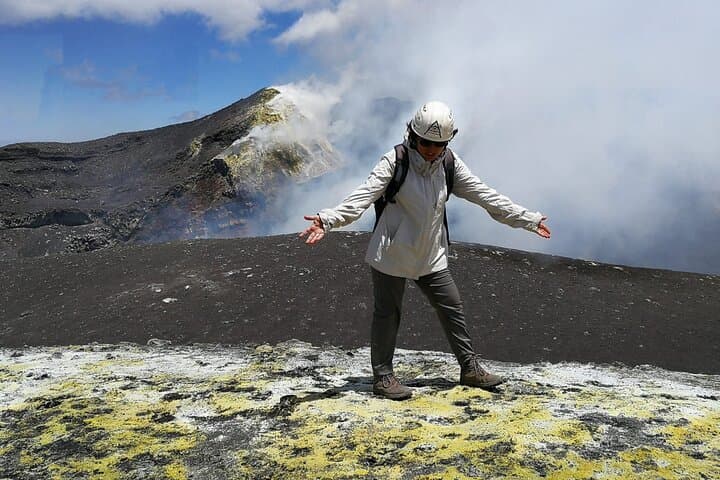
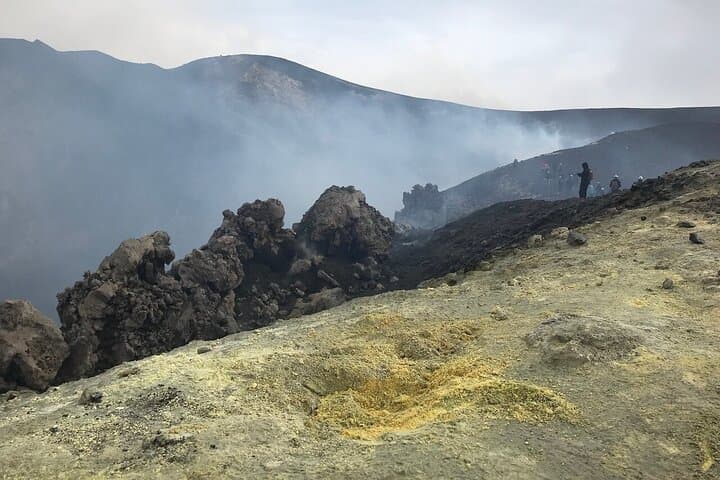
The guided route uses cable car and 4x4 to reach around 3,000–3,300 m, then continues on foot across compacted ash and jagged clinker to the highest permitted viewpoints. Expect steep, exposed sections, loose scree, and dramatic panoramas of the Ionian Sea and valley towns below. Nature here has personality: wind pushes you forward, sulfur vents quietly remind you of the earth’s energy.
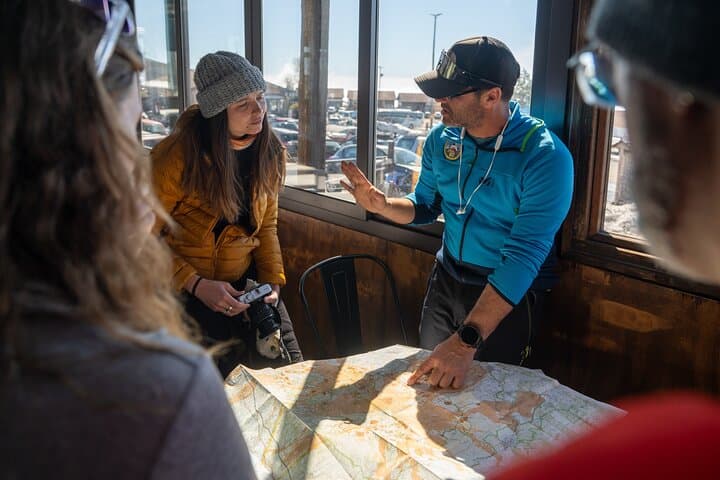
Practicalities: the tour lasts roughly four hours; moderate fitness and good footwear are required. Helmets and trekking poles are usually provided; layers, sun protection, and plenty of water are essential. Walkers should heed guide instructions—routes change with volcanic activity and weather—and plan for rapid temperature shifts at altitude. For many, Etna offers a raw, accessible summit experience that pairs geological spectacle with manageable logistics.
moderate.
4 hours.
Regular walkers with good cardiovascular fitness and leg strength; able to handle steep, uneven terrain at altitude.
The tour uses cable car and possibly 4x4 to reach roughly 3,000–3,300 m a.s.l., with hiking to the highest permitted craters from that point.
No technical climbing skills are needed, but participants should be comfortable with steep, uneven trails and have moderate fitness.
Operators monitor volcanic activity and weather closely; tours can be canceled or rerouted for safety with refunds or rescheduling options.
Helmets and trekking poles are typically included as part of the tour inclusions; confirm with the operator before departure.
Etna’s eruptions have shaped local culture and agriculture for millennia; towns at its base rebuilt repeatedly, producing fertile soils and a tradition of volcanic stone architecture.
Visitors should stay on designated routes to protect fragile colonizing plant life and avoid disturbing fumaroles; local guides enforce restrictions to minimize impact.
EtnaTribe operates guided outdoor trips and adventures with an emphasis on safety, stewardship, and memorable experiences.
The morning air on Etna is thin and sharp; steam curls from black rock and the ridge ahead scratches into cloud. Climbers start at the south-side station, the cable car lifting them above cultivated terraces and olive groves until the land turns to pumice and basalt—an otherworldly slope where wind and recent lava flows set the rhythm of the ascent.
The morning air on Etna is thin and sharp; steam curls from black rock and the ridge ahead scratches into cloud. Climbers start at the south-side station, the cable car lifting them above cultivated terraces and olive groves until the land turns to pumice and basalt—an otherworldly slope where wind and recent lava flows set the rhythm of the ascent.
Etna is Europe’s most active volcano, shaped by centuries of eruptions and the push of Sicily’s tectonic edge. The landscape alternates between young lava fields and older terraces where shepherding and small towns like Nicolosi have long adapted to the mountain’s moods. Guides—often alpine or volcanology-trained—explain crater formation, fumaroles, and the human history of rebuilding villages after eruptions.
The guided route uses cable car and 4x4 to reach around 3,000–3,300 m, then continues on foot across compacted ash and jagged clinker to the highest permitted viewpoints. Expect steep, exposed sections, loose scree, and dramatic panoramas of the Ionian Sea and valley towns below. Nature here has personality: wind pushes you forward, sulfur vents quietly remind you of the earth’s energy.
Practicalities: the tour lasts roughly four hours; moderate fitness and good footwear are required. Helmets and trekking poles are usually provided; layers, sun protection, and plenty of water are essential. Walkers should heed guide instructions—routes change with volcanic activity and weather—and plan for rapid temperature shifts at altitude. For many, Etna offers a raw, accessible summit experience that pairs geological spectacle with manageable logistics.