THE ADVENTURE COLLECTIVE® · Independent discovery and booking for outdoor travel

A full-day mix of volcanic hiking and vineyard hospitality on Mount Etna—explore side craters, descend into a lava tunnel, then relax with a winery lunch and tasting. This tour balances moderate walking on lunar terrain with Sicilian food and wine.
A full-day mix of volcanic hiking and vineyard hospitality on Mount Etna—explore side craters, descend into a lava tunnel, then relax with a winery lunch and tasting. This tour balances moderate walking on lunar terrain with Sicilian food and wine.
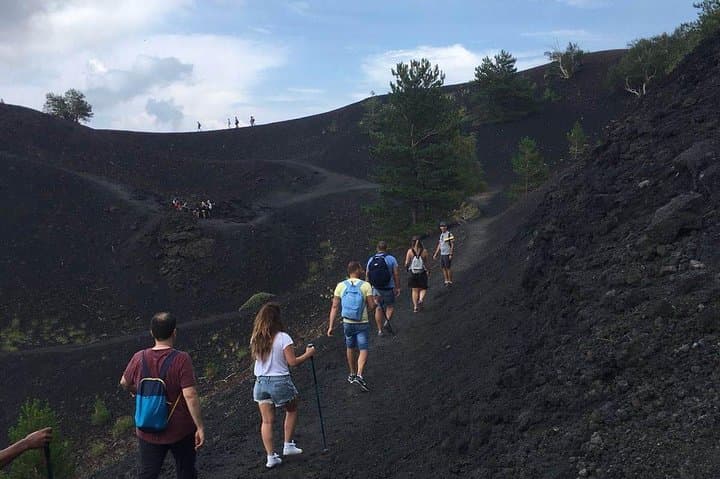
You step out of the minivan and the air tastes faintly of sulfur and sun-baked rock. Black pumice crunches underfoot while the wind off the volcanic flanks tugs at your jacket; Etna’s slopes feel alive, restless and oddly hospitable. The guide points toward a cluster of side craters formed in the 19th century, where a short climb reveals raw, scabbed lava and a panorama that pushes the eye down to the Ionian Sea.
Verified experiences and guided adventures in the surrounding area.
Operated by MrExcursions · Catania, Sicily
You step out of the minivan and the air tastes faintly of sulfur and sun-baked rock. Black pumice crunches underfoot while the wind off the volcanic flanks tugs at your jacket; Etna’s slopes feel alive, restless and oddly hospitable. The guide points toward a cluster of side craters formed in the 19th century, where a short climb reveals raw, scabbed lava and a panorama that pushes the eye down to the Ionian Sea.
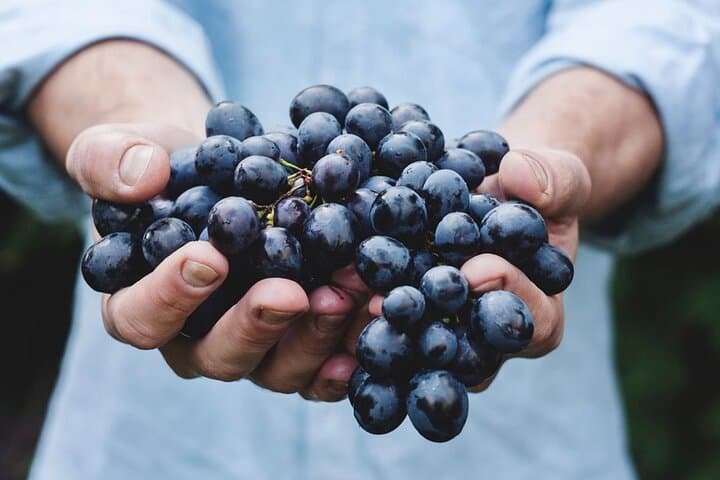
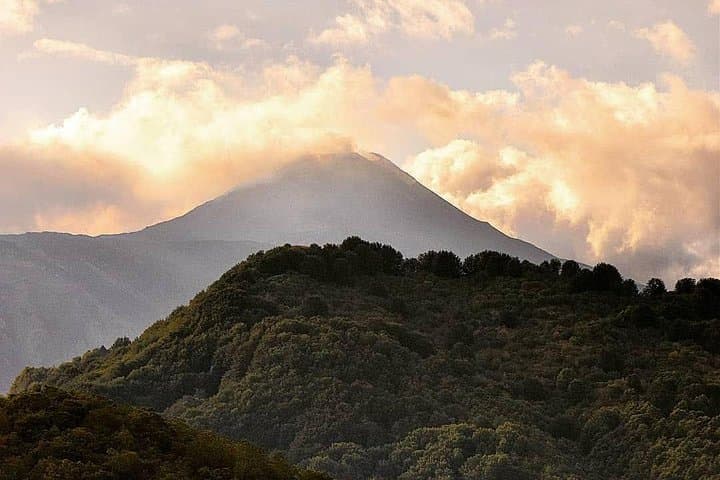
Geology here is legible: layered flows, pumice fields and lava tubes that record centuries of eruptions. Etna is Europe’s highest active volcano, its frequent activity shaping settlements and soils. Human history on these slopes is agricultural and adaptive—generations of winemakers coax grapes from mineral-rich earth, producing wines with smoky, volcanic notes.
Culture on Etna combines rural warmth and practical knowledge: expect straightforward explanations about recent eruptions, hands-on visits to a lava tunnel with helmet and flashlight, and a winery lunch that pairs local varietals with rustic cuisine.
Practical guidance: wear sturdy hiking shoes for uneven volcanic surfaces, carry 1–2 liters of water, and layer for rapidly changing temperatures—exposure is high above 1,500 m. The day includes short hikes (one around 2 hours) and moderate walking around craters plus a seated wine tasting and lunch. Tours typically run about 8 hours with hotel pick-up from Taormina/Catania areas.
Timing matters—mornings give clearer views and calmer winds. Stick to marked paths, follow your guide near fragile lava features, and leave space for the mountain’s moods: Etna rewards respect with memorable views and a distinct, terroir-driven taste of Sicily.
moderate.
8 hours.
Suitable for most people who can handle 2 hours of walking on uneven ground and short uphill sections
The tour runs about 8 hours and typically includes hotel pickup, guided visits to side craters, a lava tunnel with helmet/flashlight, and a winery lunch with wine tasting.
Hikes are moderate with short uphill sections; elevations often reach above 1,500 m but are manageable for average fitness levels—bring layers for cooler temperatures.
Children generally can join but check operator policies; tours note they are not recommended for pregnant travelers or those with serious heart conditions.
Operators commonly cancel for bad weather or unsafe volcanic activity and will refund or reschedule per the tour’s cancellation policy (full refund if canceled 24+ hours before departure).
Etna has been active for millennia and its eruptions have repeatedly reshaped local settlements; the region’s wine culture evolved to exploit volcanic soils and microclimates.
The volcanic ecosystem is fragile—stay on established trails, avoid removing rocks or plants, and support local producers who practice sustainable viticulture.
MrExcursions operates guided outdoor trips and adventures with an emphasis on safety, stewardship, and memorable experiences.

You step out of the minivan and the air tastes faintly of sulfur and sun-baked rock. Black pumice crunches underfoot while the wind off the volcanic flanks tugs at your jacket; Etna’s slopes feel alive, restless and oddly hospitable. The guide points toward a cluster of side craters formed in the 19th century, where a short climb reveals raw, scabbed lava and a panorama that pushes the eye down to the Ionian Sea.
You step out of the minivan and the air tastes faintly of sulfur and sun-baked rock. Black pumice crunches underfoot while the wind off the volcanic flanks tugs at your jacket; Etna’s slopes feel alive, restless and oddly hospitable. The guide points toward a cluster of side craters formed in the 19th century, where a short climb reveals raw, scabbed lava and a panorama that pushes the eye down to the Ionian Sea.
Geology here is legible: layered flows, pumice fields and lava tubes that record centuries of eruptions. Etna is Europe’s highest active volcano, its frequent activity shaping settlements and soils. Human history on these slopes is agricultural and adaptive—generations of winemakers coax grapes from mineral-rich earth, producing wines with smoky, volcanic notes.
Culture on Etna combines rural warmth and practical knowledge: expect straightforward explanations about recent eruptions, hands-on visits to a lava tunnel with helmet and flashlight, and a winery lunch that pairs local varietals with rustic cuisine.
Practical guidance: wear sturdy hiking shoes for uneven volcanic surfaces, carry 1–2 liters of water, and layer for rapidly changing temperatures—exposure is high above 1,500 m. The day includes short hikes (one around 2 hours) and moderate walking around craters plus a seated wine tasting and lunch. Tours typically run about 8 hours with hotel pick-up from Taormina/Catania areas.
Timing matters—mornings give clearer views and calmer winds. Stick to marked paths, follow your guide near fragile lava features, and leave space for the mountain’s moods: Etna rewards respect with memorable views and a distinct, terroir-driven taste of Sicily.