THE ADVENTURE COLLECTIVE® · Independent discovery and booking for outdoor travel

A full-day from Messina that pairs a walk across Mount Etna’s volcanic slopes with an afternoon in Taormina’s sunlit streets and Greek theatre. Expect dramatic geology, coastal panoramas, and a seven-hour itinerary that blends light hiking with cultural stops.
A full-day from Messina that pairs a walk across Mount Etna’s volcanic slopes with an afternoon in Taormina’s sunlit streets and Greek theatre. Expect dramatic geology, coastal panoramas, and a seven-hour itinerary that blends light hiking with cultural stops.
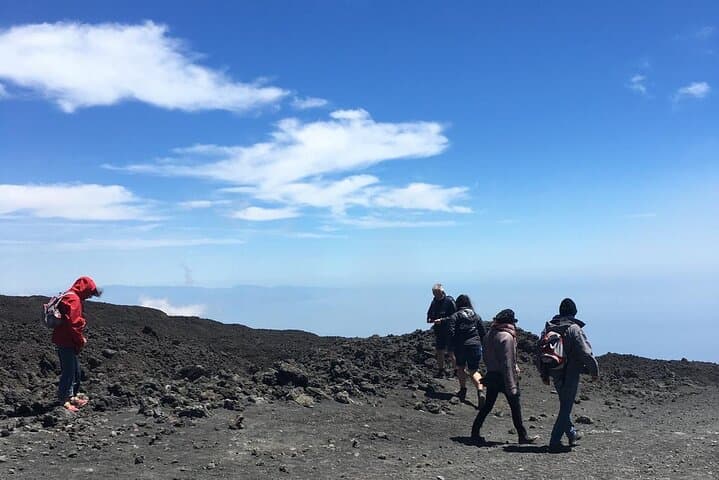
A morning ferry cuts a bright line across the Strait of Messina and the guide points toward a rising silhouette: Mount Etna. By midday you trade the metallic smell of the port for the sulfur-tinged air of volcanic slopes, walking across pillows of black lava and loose scoria where the earth still remembers its heat.
Verified experiences and guided adventures in the surrounding area.
Operated by booking Sicily Tours Alessandro · Messina, Sicily
A morning ferry cuts a bright line across the Strait of Messina and the guide points toward a rising silhouette: Mount Etna. By midday you trade the metallic smell of the port for the sulfur-tinged air of volcanic slopes, walking across pillows of black lava and loose scoria where the earth still remembers its heat.
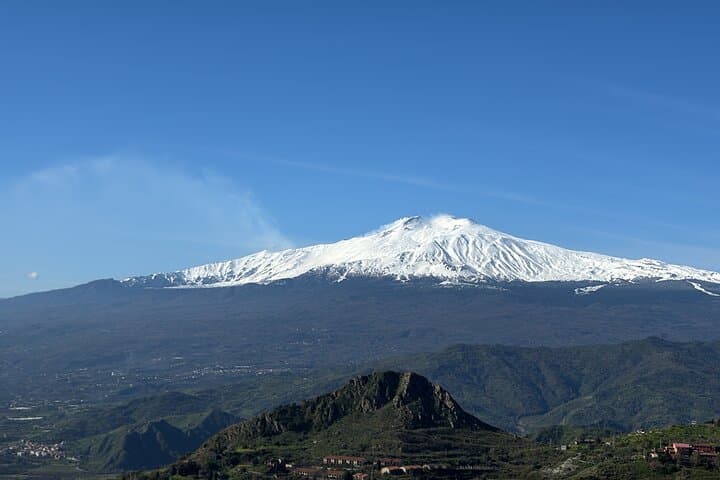
Etna is the highest active volcano in Europe (over 3,300 m) and the landscape reflects a living geology — layered flows, recent ash, and scattered Silvestri craters that offer windowed views back toward the Ionian Sea. Later the tour drops into Taormina, where a Greek theatre perches like an old watcher above a cultured town of cobbled streets, lemon shops and sea vistas.
The route pairs geology and history: Etna’s eruptions shaped local agriculture and folklore, while Taormina’s Roman and Greek remains speak to centuries of Mediterranean exchange. Expect contrasts — volcanic barrenness giving way to citrus terraces and tiled roofs — and local touches like granita or a quick look at Isola Bella’s pebbled spit.
Practicalities: this is a full-day outing (about seven hours) with walking on uneven, at-times loose volcanic ground; moderate fitness is recommended. Layers are essential — temperatures fall with elevation — and sun protection is critical on exposed basalt.
Timing matters: morning ferry crossings are calmer; late afternoon light on the Greek theatre is ideal for photos. Respect closed zones on Etna, stick to marked paths, carry water, and plan for flexible schedules when boats or weather require adjustment.
moderate.
7 hours (approx.).
Suitable for travelers with moderate fitness—able to walk on uneven ground and climb short steeper sections.
Yes — the tour includes the boat element described in the itinerary and transport between stops is provided.
The Etna segment visits Silvestri Craters with short, uneven walks on volcanic rock; it’s moderate and suitable for most people who can manage uneven terrain.
Admissions are typically not included unless specified; the itinerary allows time to view the theatre from vantage points and enter if desired but check with the operator for tickets.
Yes — pickups and drop-offs at the Messina port are common; provide your ship’s arrival and departure details when booking.
Etna’s eruptions have shaped Sicilian settlement and agriculture for millennia; Taormina’s Greek theatre dates to Hellenistic times and later Roman modification.
Stick to marked trails and avoid collecting volcanic rock; Isola Bella sits within a protected marine zone and visitors should minimize impacts on fragile shorelines.
booking Sicily Tours Alessandro operates guided outdoor trips and adventures with an emphasis on safety, stewardship, and memorable experiences.
A morning ferry cuts a bright line across the Strait of Messina and the guide points toward a rising silhouette: Mount Etna. By midday you trade the metallic smell of the port for the sulfur-tinged air of volcanic slopes, walking across pillows of black lava and loose scoria where the earth still remembers its heat.
A morning ferry cuts a bright line across the Strait of Messina and the guide points toward a rising silhouette: Mount Etna. By midday you trade the metallic smell of the port for the sulfur-tinged air of volcanic slopes, walking across pillows of black lava and loose scoria where the earth still remembers its heat.
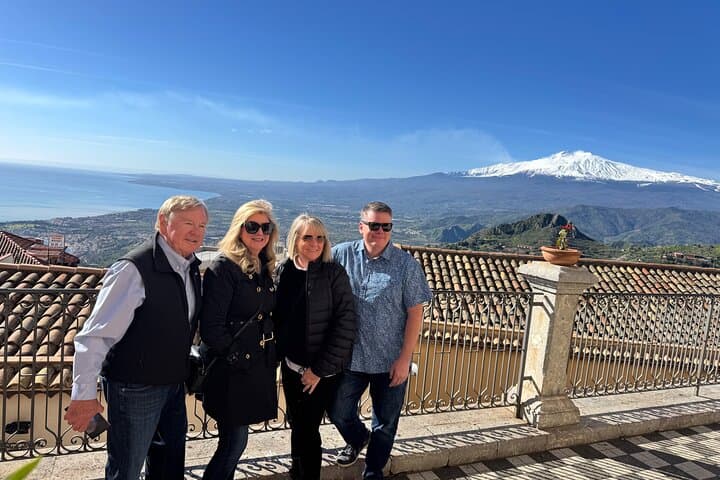
Etna is the highest active volcano in Europe (over 3,300 m) and the landscape reflects a living geology — layered flows, recent ash, and scattered Silvestri craters that offer windowed views back toward the Ionian Sea. Later the tour drops into Taormina, where a Greek theatre perches like an old watcher above a cultured town of cobbled streets, lemon shops and sea vistas.
The route pairs geology and history: Etna’s eruptions shaped local agriculture and folklore, while Taormina’s Roman and Greek remains speak to centuries of Mediterranean exchange. Expect contrasts — volcanic barrenness giving way to citrus terraces and tiled roofs — and local touches like granita or a quick look at Isola Bella’s pebbled spit.
Practicalities: this is a full-day outing (about seven hours) with walking on uneven, at-times loose volcanic ground; moderate fitness is recommended. Layers are essential — temperatures fall with elevation — and sun protection is critical on exposed basalt.
Timing matters: morning ferry crossings are calmer; late afternoon light on the Greek theatre is ideal for photos. Respect closed zones on Etna, stick to marked paths, carry water, and plan for flexible schedules when boats or weather require adjustment.