THE ADVENTURE COLLECTIVE® · Independent discovery and booking for outdoor travel

Drive up from Taormina to Rifugio Sapienza and trade Mediterranean palms for volcanic gravel. Choose a 1,900 m nature-walk or add a cable car and 4x4 to reach 2,900 m and walk near Etna’s active summit.
Drive up from Taormina to Rifugio Sapienza and trade Mediterranean palms for volcanic gravel. Choose a 1,900 m nature-walk or add a cable car and 4x4 to reach 2,900 m and walk near Etna’s active summit.
The day opens on the southern flank of Etna with a cool, thin air that pricks the skin and sharpens the view. From Taormina's coastal bustle the road climbs, then deposits travelers at Rifugio Sapienza around 1,900 metres, where the landscape changes from chestnut woods to black, fractured lava and wide, wind-swept slopes.
Verified experiences and guided adventures in the surrounding area.
Operated by TUI italia s.r.l · Rifugio Sapienza (Mount Etna), Sicily
The day opens on the southern flank of Etna with a cool, thin air that pricks the skin and sharpens the view. From Taormina's coastal bustle the road climbs, then deposits travelers at Rifugio Sapienza around 1,900 metres, where the landscape changes from chestnut woods to black, fractured lava and wide, wind-swept slopes.
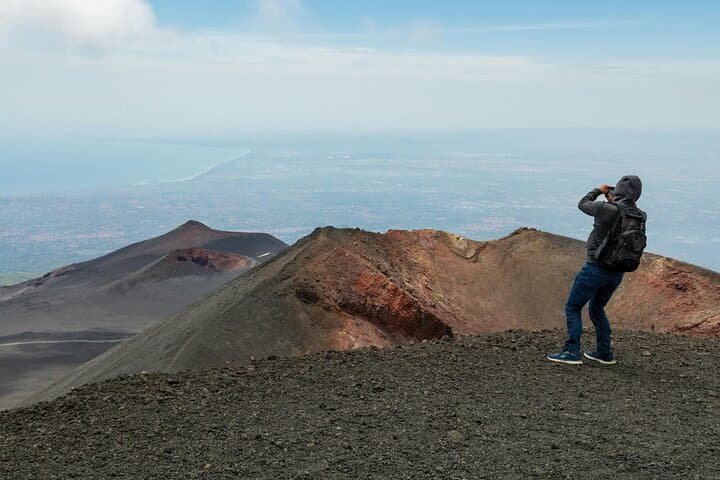
Geology here is immediate: basalt flows, pahoehoe and aʻa textures, and crater rims etched by centuries of eruptions. Etna is Europe’s highest active volcano and its frequent activity has shaped local culture — vineyards hug lower slopes, while small museums and mountain refuges tell stories of eruptions and resilience. The Silvestri Craters and nearby lava caves show how fire and time rework the land.
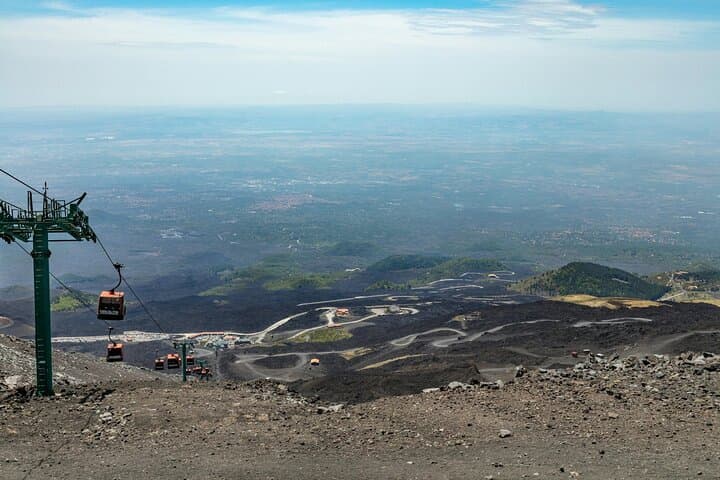
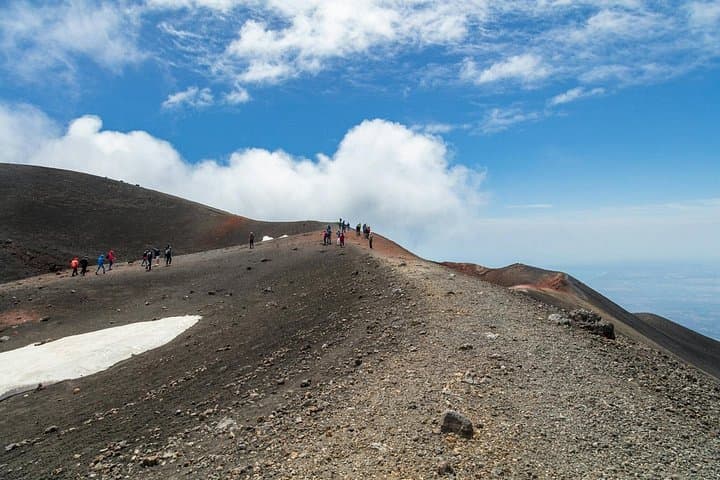
On the standard itinerary visitors explore nature trails around 1,900 m; for those who opt in, a cable car and 4x4 shuttle climb to roughly 2,900 m for guided walks near the main crater. Terrain ranges from compact volcanic gravel to loose scoria and occasional exposed rock; expect short steep pitches and open, windblown ridgelines.
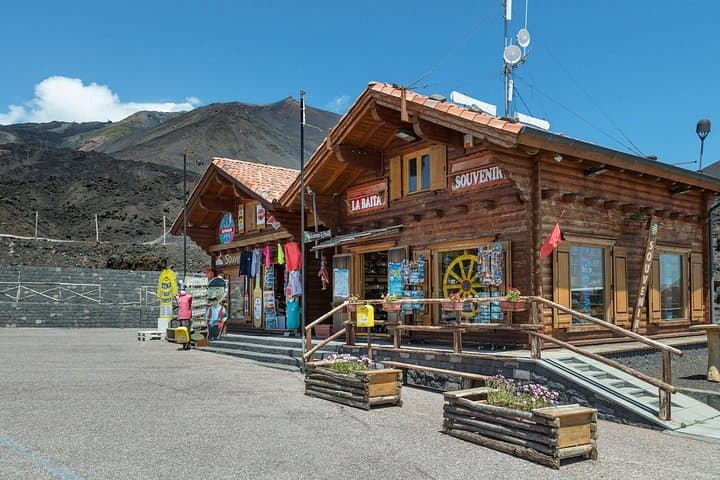
Practicalities: allow 4–8 hours, wear sturdy boots with good grip, and layer for sudden temperature changes. Sun and wind exposure are significant—sunscreen, sunglasses and a windproof jacket are essential. If you plan the higher ascent, be prepared for altitude effects and colder temperatures; guides will set the pace and route depending on conditions. Travel light, bring ample water, and leave time to visit the small museum and cafés at Rifugio Sapienza before returning to Taormina with Etna’s black slopes fading into the distance.
moderate.
4–8 hours.
Participants should have a moderate level of fitness — able to walk on uneven terrain for several hours and handle short steep sections at altitude.
The base visit reaches Rifugio Sapienza at about 1,900 m; the optional extension includes a cable car and 4x4 to around 2,900 m for guided crater walks.
Access depends on current volcanic activity and weather; it’s not recommended for those with serious back, heart or pregnancy-related conditions and requires a reasonable fitness level.
Sturdy hiking boots, layered clothing including a windproof jacket, and sun protection are recommended; conditions can be cold and windy at higher elevations.
Yes—shortness of breath, lightheadedness or fatigue can occur above 2,500 m; move at a steady pace, hydrate, and notify guides if symptoms appear.
Etna has been active since antiquity and features prominently in local myth and agricultural life; lower slopes support vineyards classified under Etna DOC.
Much of the mountain is part of Parco dell'Etna; stick to marked trails, avoid removing volcanic rock, and follow guide instructions to minimize impact.
TUI italia s.r.l operates guided outdoor trips and adventures with an emphasis on safety, stewardship, and memorable experiences.
The day opens on the southern flank of Etna with a cool, thin air that pricks the skin and sharpens the view. From Taormina's coastal bustle the road climbs, then deposits travelers at Rifugio Sapienza around 1,900 metres, where the landscape changes from chestnut woods to black, fractured lava and wide, wind-swept slopes.
The day opens on the southern flank of Etna with a cool, thin air that pricks the skin and sharpens the view. From Taormina's coastal bustle the road climbs, then deposits travelers at Rifugio Sapienza around 1,900 metres, where the landscape changes from chestnut woods to black, fractured lava and wide, wind-swept slopes.
Geology here is immediate: basalt flows, pahoehoe and aʻa textures, and crater rims etched by centuries of eruptions. Etna is Europe’s highest active volcano and its frequent activity has shaped local culture — vineyards hug lower slopes, while small museums and mountain refuges tell stories of eruptions and resilience. The Silvestri Craters and nearby lava caves show how fire and time rework the land.
On the standard itinerary visitors explore nature trails around 1,900 m; for those who opt in, a cable car and 4x4 shuttle climb to roughly 2,900 m for guided walks near the main crater. Terrain ranges from compact volcanic gravel to loose scoria and occasional exposed rock; expect short steep pitches and open, windblown ridgelines.
Practicalities: allow 4–8 hours, wear sturdy boots with good grip, and layer for sudden temperature changes. Sun and wind exposure are significant—sunscreen, sunglasses and a windproof jacket are essential. If you plan the higher ascent, be prepared for altitude effects and colder temperatures; guides will set the pace and route depending on conditions. Travel light, bring ample water, and leave time to visit the small museum and cafés at Rifugio Sapienza before returning to Taormina with Etna’s black slopes fading into the distance.