THE ADVENTURE COLLECTIVE® · Independent discovery and booking for outdoor travel

Cross recent lava flows and explore button-shaped craters on Etna’s southern slope. This two-hour guided route combines geological highlights—the Abyss, small craters and a volcanic sand descent—with sweeping Ionian Sea views.
Cross recent lava flows and explore button-shaped craters on Etna’s southern slope. This two-hour guided route combines geological highlights—the Abyss, small craters and a volcanic sand descent—with sweeping Ionian Sea views.
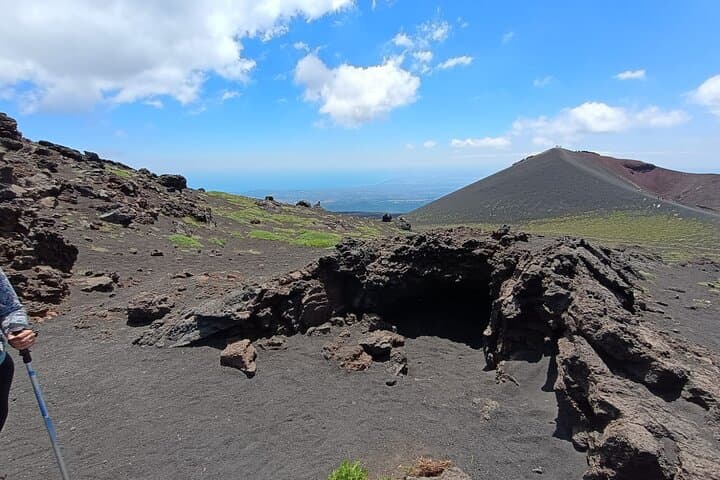
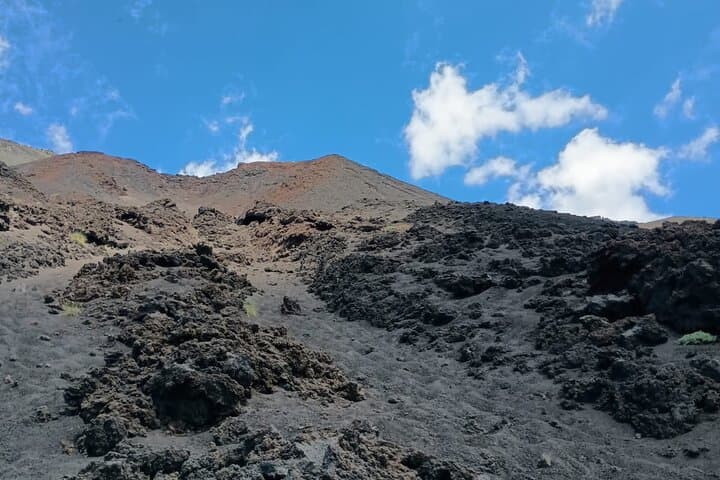
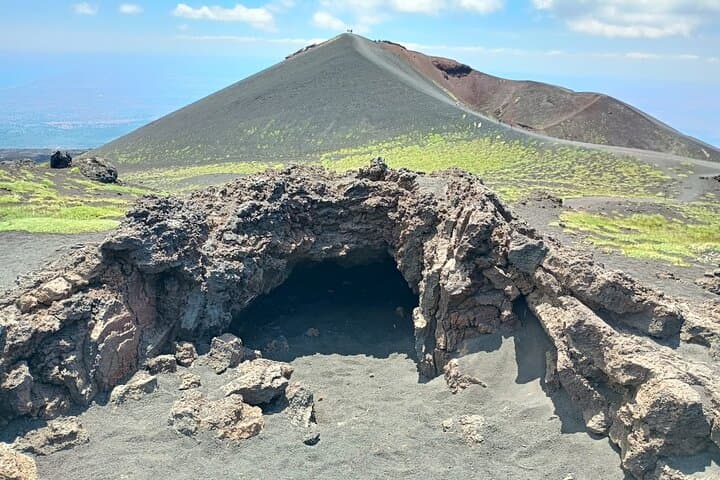
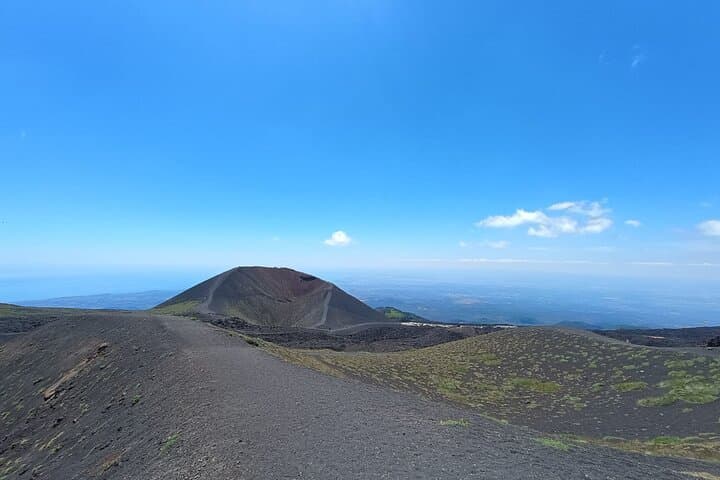
At 1,900 meters the air thins and the horizon opens: you step out at Piazzale di Etna Sud and the mountain greets you in basalt and pumice. The trail rides the southern flank, crossing recent lava fields whose jagged edges and glassy pahoehoe record eruptions from 2001–2003. Underfoot the rock changes from blocky flow to powdery volcanic sand that will later send you sliding down a playful descent toward sweeping views of the Ionian coast.
Verified experiences and guided adventures in the surrounding area.
Operated by La Baita Excursions · Nicolosi, Sicily
At 1,900 meters the air thins and the horizon opens: you step out at Piazzale di Etna Sud and the mountain greets you in basalt and pumice. The trail rides the southern flank, crossing recent lava fields whose jagged edges and glassy pahoehoe record eruptions from 2001–2003. Underfoot the rock changes from blocky flow to powdery volcanic sand that will later send you sliding down a playful descent toward sweeping views of the Ionian coast.
This route threads together human and geological history. The Abyss—an old snow-storage cavity—hints at former winter practices; nearby button craters reveal their odd, rounded morphology from gas-rich lava interacting with trapped sediments. Mount Etna’s long eruption record has shaped nearby towns like Nicolosi and created the mixed soils that define local agriculture.
Expect mixed terrain: compacted lava, loose scoria and a short climb to about 2,100 m. Wind and rapid weather shifts are common; the landscape alternates between stark black fields and lichened pockets where resilient shrubs cling to life.
Practical guidance: start early for stable weather and clearer coastal views; bring layers, sun protection and 1–2 liters of water. The operator supplies helmets, boots and poles, but sturdy personal footwear and gaiters increase comfort. The sand descent is low-impact fun but demands basic balance; walkers with cardiovascular concerns should consult a physician. Stay on marked paths, respect fragile volcanic crust, and leave nothing behind—Etna’s dramatic slopes recover slowly.
moderate.
2 hours.
Suitable for most active people able to walk on uneven ground for a couple of hours; not strenuous but requires balance on loose volcanic sand.
Meet at Piazzale di Etna Sud (Rifugio Sapienza) in the main parking area opposite the service center; guides meet inside the lot.
The operator notes the tour is physically easy and family-friendly, but children and anyone with cardiovascular issues should consider the altitude and uneven terrain before booking.
Guides provide helmets, hiking boots, jackets and poles; bring your own layers and sun protection for comfort.
Guided access follows safety rules from local authorities; tours may be canceled for bad weather or heightened volcanic activity and are refundable if canceled at least 24 hours in advance.
Southern Etna’s slopes show layers of historical eruptions that reshaped infrastructure and threatened towns like Nicolosi during the 2001–2003 events.
Stay on marked routes—fragile volcanic soils and pioneering vegetation recover slowly; avoid removing rock or disturbing wildlife.
La Baita Excursions operates guided outdoor trips and adventures with an emphasis on safety, stewardship, and memorable experiences.
At 1,900 meters the air thins and the horizon opens: you step out at Piazzale di Etna Sud and the mountain greets you in basalt and pumice. The trail rides the southern flank, crossing recent lava fields whose jagged edges and glassy pahoehoe record eruptions from 2001–2003. Underfoot the rock changes from blocky flow to powdery volcanic sand that will later send you sliding down a playful descent toward sweeping views of the Ionian coast.
At 1,900 meters the air thins and the horizon opens: you step out at Piazzale di Etna Sud and the mountain greets you in basalt and pumice. The trail rides the southern flank, crossing recent lava fields whose jagged edges and glassy pahoehoe record eruptions from 2001–2003. Underfoot the rock changes from blocky flow to powdery volcanic sand that will later send you sliding down a playful descent toward sweeping views of the Ionian coast.
This route threads together human and geological history. The Abyss—an old snow-storage cavity—hints at former winter practices; nearby button craters reveal their odd, rounded morphology from gas-rich lava interacting with trapped sediments. Mount Etna’s long eruption record has shaped nearby towns like Nicolosi and created the mixed soils that define local agriculture.
Expect mixed terrain: compacted lava, loose scoria and a short climb to about 2,100 m. Wind and rapid weather shifts are common; the landscape alternates between stark black fields and lichened pockets where resilient shrubs cling to life.
Practical guidance: start early for stable weather and clearer coastal views; bring layers, sun protection and 1–2 liters of water. The operator supplies helmets, boots and poles, but sturdy personal footwear and gaiters increase comfort. The sand descent is low-impact fun but demands basic balance; walkers with cardiovascular concerns should consult a physician. Stay on marked paths, respect fragile volcanic crust, and leave nothing behind—Etna’s dramatic slopes recover slowly.