THE ADVENTURE COLLECTIVE® · Independent discovery and booking for outdoor travel

Drive from Catania up to Mount Etna’s volcanic slopes, stroll the easy Silvestri Craters, then descend to the seaside charm of Taormina and Isola Bella. This full-day tour pairs geological drama with medieval streets and coastal panoramas.
Drive from Catania up to Mount Etna’s volcanic slopes, stroll the easy Silvestri Craters, then descend to the seaside charm of Taormina and Isola Bella. This full-day tour pairs geological drama with medieval streets and coastal panoramas.
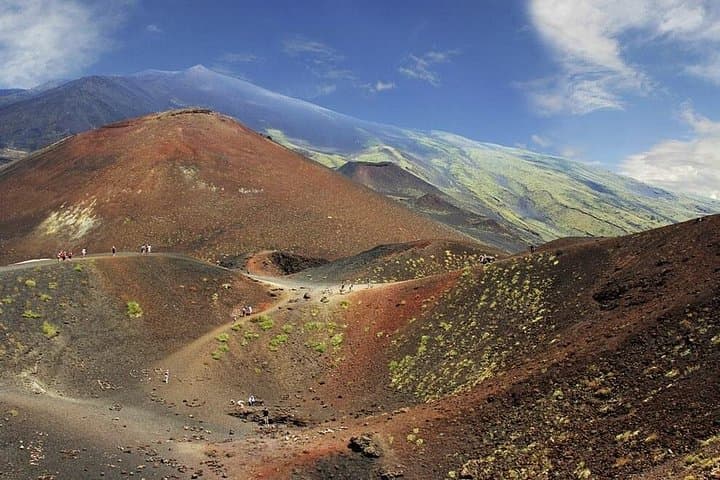
You step out of an air-conditioned minivan and the world changes: pine-scented air and dark, jagged lava fields open up ahead, while the Mediterranean glints far below. The drive from Catania climbs through belts of forest, then onto the basalt slopes of Mount Etna, where Silvestri Craters sit like old teeth on a volcanic flank. The landscape here has a blunt honesty — ash, stone, and scrub that rearrange themselves every time the mountain decides to breathe.
Verified experiences and guided adventures in the surrounding area.
Operated by Going Sicily · Catania, Sicily
You step out of an air-conditioned minivan and the world changes: pine-scented air and dark, jagged lava fields open up ahead, while the Mediterranean glints far below. The drive from Catania climbs through belts of forest, then onto the basalt slopes of Mount Etna, where Silvestri Craters sit like old teeth on a volcanic flank. The landscape here has a blunt honesty — ash, stone, and scrub that rearrange themselves every time the mountain decides to breathe.
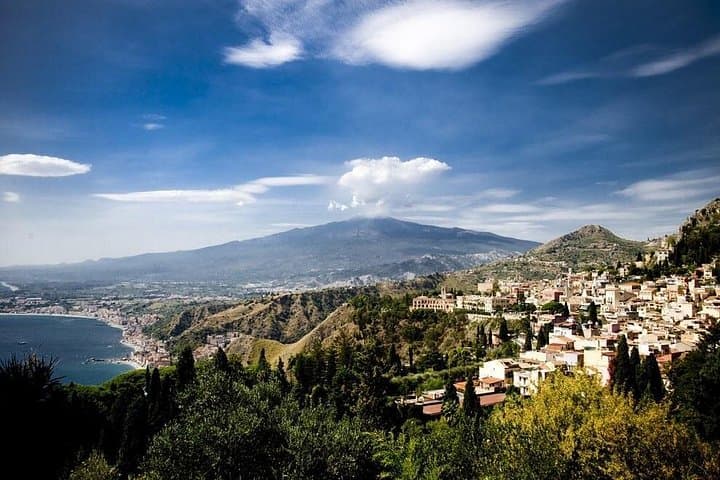
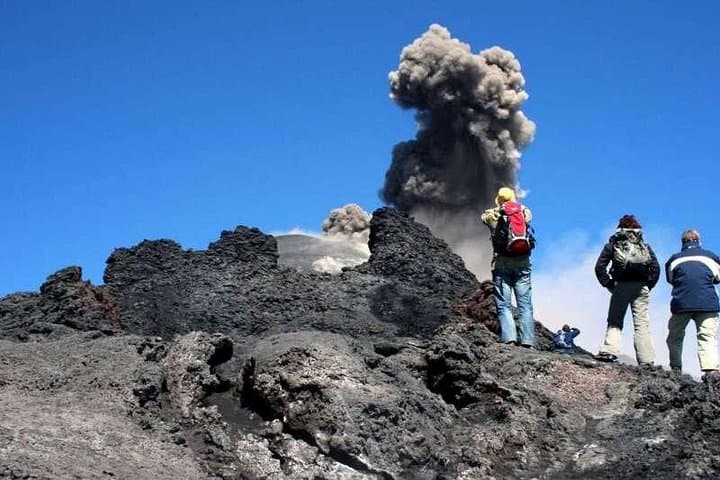
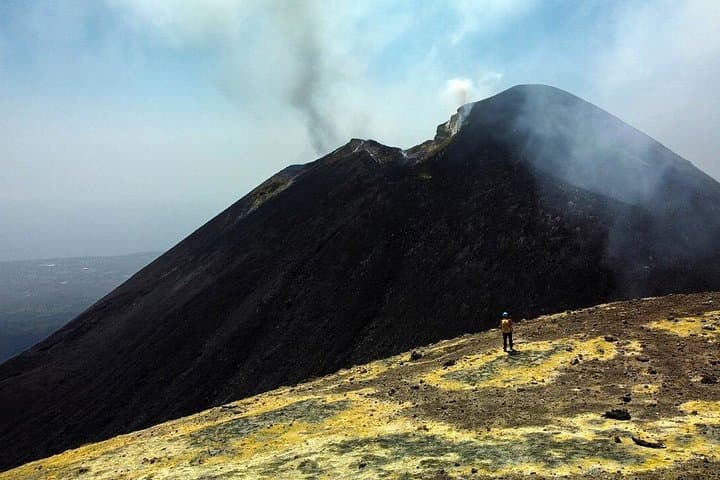
Mt Etna has been erupting for millions of years and remains Europe’s most active volcano. Geologically, its layers tell a history of slow buildup and sudden change: pillow lavas near older coastlines, pahoehoe and aʻa textures higher up, and recent flows that wiped out buildings in documented 20th- and 21st-century events. After Etna, the route swings east to Taormina, a hilltop town with a medieval core centered on Corso Umberto, and the pebble-sheltered bay of Isola Bella.
Expect easy guided walks: Silvestri Craters are generally flat and suitable for most fitness levels, while viewpoints require short, sometimes uneven steps. The day tour is 6–8 hours with hotel pickup in Catania and transport in a small minivan.
Practical tips: wear sturdy shoes with good grip for volcanic ash, bring layers for wind and altitude, and carry at least 1–2 liters of water. Timing matters — mornings offer clearer coastal views, afternoons may bring haze or wind. Be prepared for quick weather shifts and for modest walking on rough, black volcanic terrain.
moderate.
6–8 hours.
Suitable for most active travelers; light walking on uneven volcanic terrain and short uphill sections may be encountered.
Drive time is roughly 40–60 minutes to the Etna visitor area, depending on traffic and the exact stopping points.
No — the Silvestri Craters are short, mostly flat walks on volcanic terrain and suitable for most fitness levels.
This tour typically includes bottled water and transport; lunch is generally not included so plan for a stop in Taormina for a meal or bring snacks.
Operators may cancel for bad weather or unsafe volcanic activity; the cancellation policy allows refunds if the tour is called off.
Etna’s eruptions shaped local settlement patterns for millennia; Taormina grew under Greek and later Roman influence, with its ancient theatre overlooking the sea.
Stay on marked paths to avoid fragile lichens and rare plants that colonize lava flows; follow guide instructions to minimize disturbance and pack out trash.
Going Sicily operates guided outdoor trips and adventures with an emphasis on safety, stewardship, and memorable experiences.
You step out of an air-conditioned minivan and the world changes: pine-scented air and dark, jagged lava fields open up ahead, while the Mediterranean glints far below. The drive from Catania climbs through belts of forest, then onto the basalt slopes of Mount Etna, where Silvestri Craters sit like old teeth on a volcanic flank. The landscape here has a blunt honesty — ash, stone, and scrub that rearrange themselves every time the mountain decides to breathe.
You step out of an air-conditioned minivan and the world changes: pine-scented air and dark, jagged lava fields open up ahead, while the Mediterranean glints far below. The drive from Catania climbs through belts of forest, then onto the basalt slopes of Mount Etna, where Silvestri Craters sit like old teeth on a volcanic flank. The landscape here has a blunt honesty — ash, stone, and scrub that rearrange themselves every time the mountain decides to breathe.
Mt Etna has been erupting for millions of years and remains Europe’s most active volcano. Geologically, its layers tell a history of slow buildup and sudden change: pillow lavas near older coastlines, pahoehoe and aʻa textures higher up, and recent flows that wiped out buildings in documented 20th- and 21st-century events. After Etna, the route swings east to Taormina, a hilltop town with a medieval core centered on Corso Umberto, and the pebble-sheltered bay of Isola Bella.
Expect easy guided walks: Silvestri Craters are generally flat and suitable for most fitness levels, while viewpoints require short, sometimes uneven steps. The day tour is 6–8 hours with hotel pickup in Catania and transport in a small minivan.
Practical tips: wear sturdy shoes with good grip for volcanic ash, bring layers for wind and altitude, and carry at least 1–2 liters of water. Timing matters — mornings offer clearer coastal views, afternoons may bring haze or wind. Be prepared for quick weather shifts and for modest walking on rough, black volcanic terrain.