THE ADVENTURE COLLECTIVE® · Independent discovery and booking for outdoor travel

A full-day guided trip linking Catania’s baroque streets with the raw slopes of Mount Etna. Expect coach travel, short guided walks on volcanic terrain, and logistical prep for the Malta–Sicily crossing.
A full-day guided trip linking Catania’s baroque streets with the raw slopes of Mount Etna. Expect coach travel, short guided walks on volcanic terrain, and logistical prep for the Malta–Sicily crossing.
You step off the high-speed catamaran into Pozzallo with the salt still on your lips and a strip of Sicily unfolding beneath a low, volcanic haze. By mid-morning the coach eases into Catania’s baroque grid: lava-streaked stone facades, a piazza where espresso conversations hum, and the Elephant Fountain standing watch near the cathedral.
Verified experiences and guided adventures in the surrounding area.
Operated by Virtu Ferries LTD · Catania, Sicily
You step off the high-speed catamaran into Pozzallo with the salt still on your lips and a strip of Sicily unfolding beneath a low, volcanic haze. By mid-morning the coach eases into Catania’s baroque grid: lava-streaked stone facades, a piazza where espresso conversations hum, and the Elephant Fountain standing watch near the cathedral.
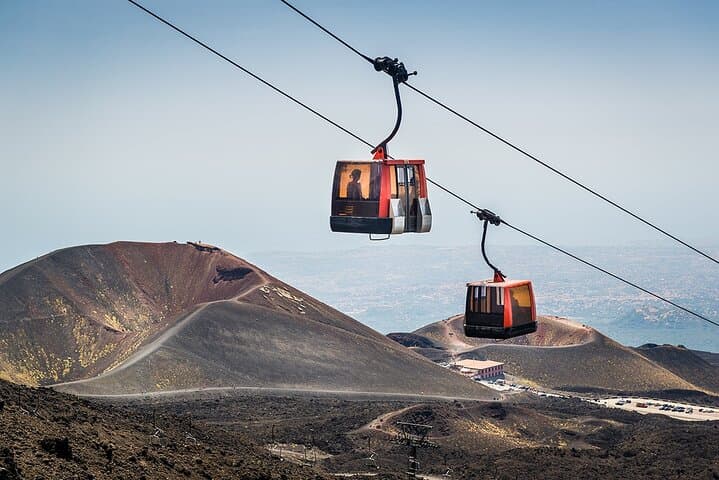
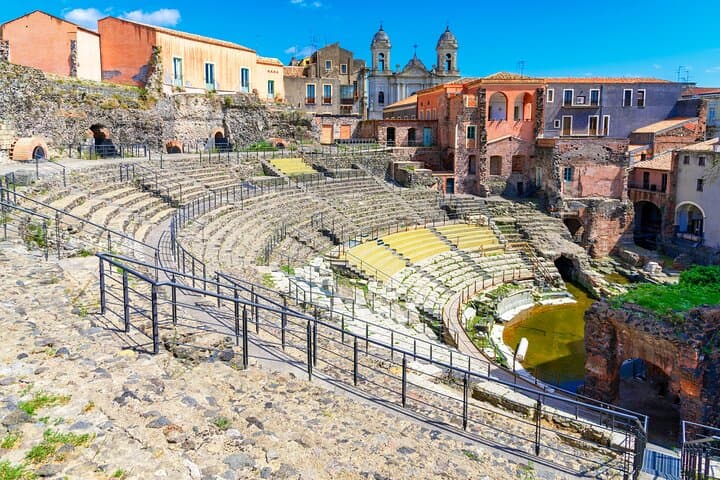
Catania is a city forged by eruptions and rebuilding—Roman foundations, Norman churches, and 18th-century baroque rebuilt after the 1693 quake. From here the road climbs through chestnut and oak, the trees thinning as the landscape reorients toward Etna. Geology is visible at walking pace: black flows, pumice fields, and terraces where centuries of eruptions sculpted farming and village life. Mount Etna remains Europe’s most active volcano; craters and fumaroles mark recent chapters in its long biography.
Expect short guided walks on compacted volcanic scree and flat lava fields rather than technical mountaineering; the guide frames history, hazard awareness, and local traditions—wine growers, honey producers, and mountain shepherds who have adapted to frequent change.
Practicalities: bring layered clothing, sturdy shoes, and sun protection—weather shifts with elevation. Travel documents and passport are required for the ferry crossing; allow time for check-in. The day is long—plan for 12–15 hours including crossings and coach transfers—and mostly accessible, with options to shorten walking portions if needed. For photographers and curious hikers alike, the tour balances cultural stops in Catania with the raw, elemental drama of Etna’s slopes.
easy.
12–15 hours.
Suitable for travelers in average fitness; ability to walk 30–60 minutes on uneven ground is helpful.
Yes — a valid passport is required for the fast ferry crossing from Malta to Pozzallo and for booking details.
The tour includes short guided walks on volcanic ground—expect uneven terrain and some scree but no technical climbing; most participants with average fitness manage comfortably.
No — commercial day excursions typically access lower craters and lava fields; summit access requires specialized guides and conditions permitting higher-altitude travel.
The itinerary includes stops in Catania where you can buy food; bring water and snacks for the coach portions and for higher elevation where services are limited.
Catania’s urban fabric was repeatedly rebuilt after volcanic eruptions and earthquakes—its baroque center dates largely from the 18th-century reconstruction after the 1693 quake.
Mount Etna’s landscapes are protected as part of a regional park and UNESCO recognition shapes visitor management; stay on designated paths to limit erosion and disturbance.
Virtu Ferries LTD operates guided outdoor trips and adventures with an emphasis on safety, stewardship, and memorable experiences.
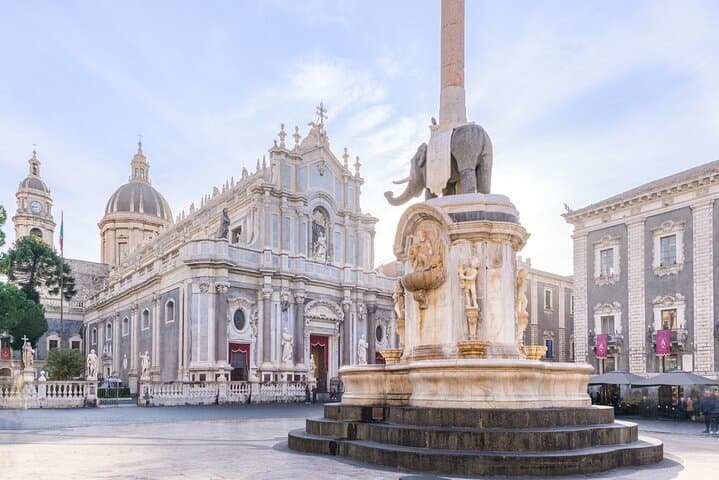
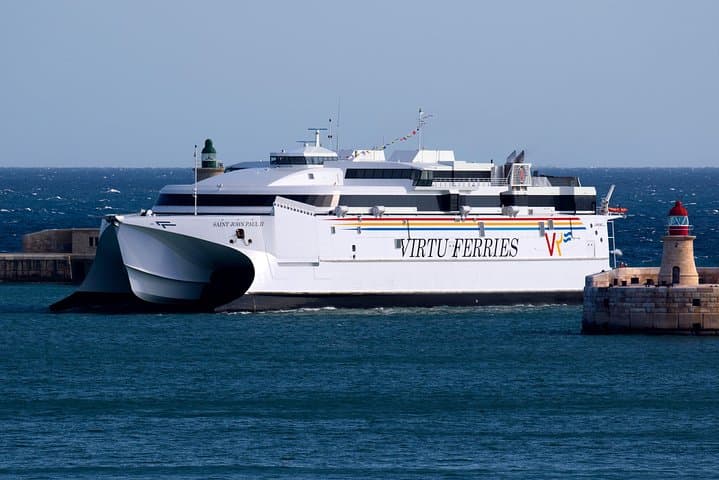
You step off the high-speed catamaran into Pozzallo with the salt still on your lips and a strip of Sicily unfolding beneath a low, volcanic haze. By mid-morning the coach eases into Catania’s baroque grid: lava-streaked stone facades, a piazza where espresso conversations hum, and the Elephant Fountain standing watch near the cathedral.
You step off the high-speed catamaran into Pozzallo with the salt still on your lips and a strip of Sicily unfolding beneath a low, volcanic haze. By mid-morning the coach eases into Catania’s baroque grid: lava-streaked stone facades, a piazza where espresso conversations hum, and the Elephant Fountain standing watch near the cathedral.
Catania is a city forged by eruptions and rebuilding—Roman foundations, Norman churches, and 18th-century baroque rebuilt after the 1693 quake. From here the road climbs through chestnut and oak, the trees thinning as the landscape reorients toward Etna. Geology is visible at walking pace: black flows, pumice fields, and terraces where centuries of eruptions sculpted farming and village life. Mount Etna remains Europe’s most active volcano; craters and fumaroles mark recent chapters in its long biography.
Expect short guided walks on compacted volcanic scree and flat lava fields rather than technical mountaineering; the guide frames history, hazard awareness, and local traditions—wine growers, honey producers, and mountain shepherds who have adapted to frequent change.
Practicalities: bring layered clothing, sturdy shoes, and sun protection—weather shifts with elevation. Travel documents and passport are required for the ferry crossing; allow time for check-in. The day is long—plan for 12–15 hours including crossings and coach transfers—and mostly accessible, with options to shorten walking portions if needed. For photographers and curious hikers alike, the tour balances cultural stops in Catania with the raw, elemental drama of Etna’s slopes.