THE ADVENTURE COLLECTIVE® · Independent discovery and booking for outdoor travel

Combine a moderate hike on Mount Etna’s northern craters with a cool river walk through the Alcantara Gorges. This full-day tour from Taormina blends volcanic geology, easy hiking, and a refreshing riverside finish.
Combine a moderate hike on Mount Etna’s northern craters with a cool river walk through the Alcantara Gorges. This full-day tour from Taormina blends volcanic geology, easy hiking, and a refreshing riverside finish.
A cool wind pushes across black pumice as the group climbs the Sartorius craters, the summit of Etna visible like a living map of past eruptions. Walking on old lava fields, the ground clicks under sturdy boots and the volcano’s slopes reveal terraces of fused rock and pockets of scrub that survived the fire. After roughly 1.5 hours on the northern slopes, the day slides down to a different geology—the Alcantara Gorges—where a river dares you into its cold corridor carved through prehistoric lava.
Verified experiences and guided adventures in the surrounding area.
Operated by DISCOVER MESSINA SICILY · Taormina, Sicily
A cool wind pushes across black pumice as the group climbs the Sartorius craters, the summit of Etna visible like a living map of past eruptions. Walking on old lava fields, the ground clicks under sturdy boots and the volcano’s slopes reveal terraces of fused rock and pockets of scrub that survived the fire. After roughly 1.5 hours on the northern slopes, the day slides down to a different geology—the Alcantara Gorges—where a river dares you into its cold corridor carved through prehistoric lava.
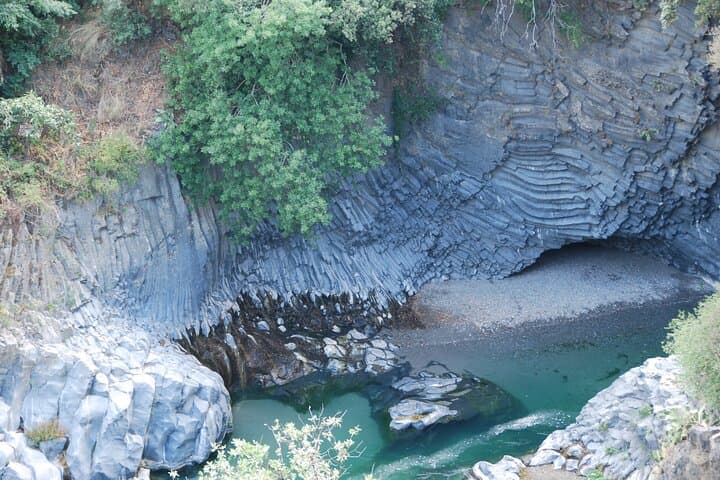
Etna has been erupting for hundreds of thousands of years; its alternating layers of ash and lava built the island’s modern profile and shaped local agriculture and culture. The Alcantara Gorge formed when molten flows met water and cooled into vertical basalt columns—an accessible classroom of volcanic geology and hydrology. Locals blend this geology with food traditions: vineyards and citrus groves owe their soil to repeated eruptions.
Practically, expect mixed terrain: loose volcanic ash, compacted lava, and slippery riverbed basalt. The hike portion is moderate—uneven ground and short climbs—followed by a cooling wade or river-side walk. Bring river shoes, a layered kit, sun protection, and water; in summer you can swim, but the river stays chilly. The tour includes transportation from Taormina and entrance to the Alcantara River Park, making logistics straightforward for a full-day outing. Timing mid-morning departures avoids the hottest sun and gives time to move between Etna’s craters and the gorge’s shaded basalt walls.
moderate.
6–7 hours.
Moderate fitness—comfortable walking on uneven ground, short uphill sections, and standing in river currents.
The tour lasts about 6–7 hours (360–420 minutes) with pickup in Taormina; expect to return late afternoon depending on traffic and season.
Yes, swimming is possible in summer but the water is cold; bring a swimsuit and river shoes and note life-saving services are limited in the gorge.
Children can join if they are comfortable walking on uneven ground; strollers are not usable on the crater sections but are fine in park areas and pickup can accommodate families.
Not recommended for travelers with serious back, heart issues, or pregnancy due to uneven terrain and moderate physical exertion; inform the operator of any health needs.
Mount Etna’s eruptions have shaped Sicilian life for millennia; ancient Greek and Roman writers recorded eruptions and local farms adapted to the fertile volcanic soils.
Stay on marked paths and avoid removing rock or lava fragments—both the fragile basalt formations and riparian habitats are sensitive to foot traffic and collection.
DISCOVER MESSINA SICILY operates guided outdoor trips and adventures with an emphasis on safety, stewardship, and memorable experiences.
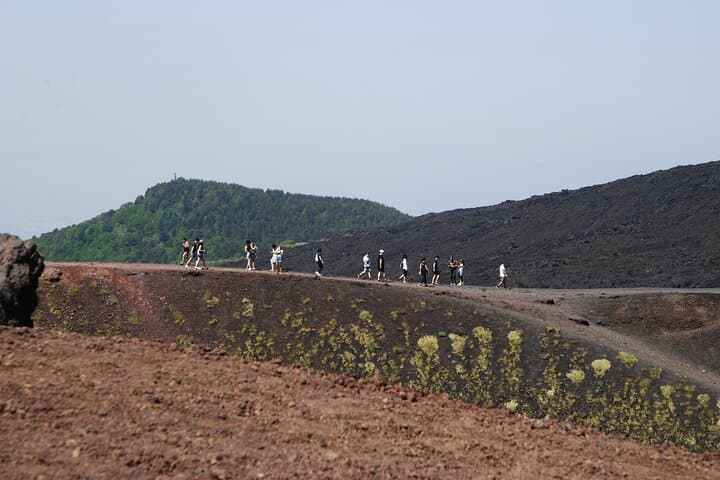

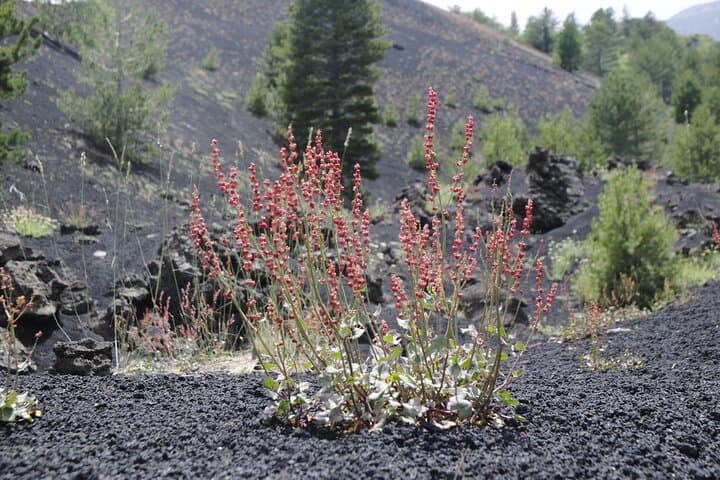
A cool wind pushes across black pumice as the group climbs the Sartorius craters, the summit of Etna visible like a living map of past eruptions. Walking on old lava fields, the ground clicks under sturdy boots and the volcano’s slopes reveal terraces of fused rock and pockets of scrub that survived the fire. After roughly 1.5 hours on the northern slopes, the day slides down to a different geology—the Alcantara Gorges—where a river dares you into its cold corridor carved through prehistoric lava.
A cool wind pushes across black pumice as the group climbs the Sartorius craters, the summit of Etna visible like a living map of past eruptions. Walking on old lava fields, the ground clicks under sturdy boots and the volcano’s slopes reveal terraces of fused rock and pockets of scrub that survived the fire. After roughly 1.5 hours on the northern slopes, the day slides down to a different geology—the Alcantara Gorges—where a river dares you into its cold corridor carved through prehistoric lava.
Etna has been erupting for hundreds of thousands of years; its alternating layers of ash and lava built the island’s modern profile and shaped local agriculture and culture. The Alcantara Gorge formed when molten flows met water and cooled into vertical basalt columns—an accessible classroom of volcanic geology and hydrology. Locals blend this geology with food traditions: vineyards and citrus groves owe their soil to repeated eruptions.
Practically, expect mixed terrain: loose volcanic ash, compacted lava, and slippery riverbed basalt. The hike portion is moderate—uneven ground and short climbs—followed by a cooling wade or river-side walk. Bring river shoes, a layered kit, sun protection, and water; in summer you can swim, but the river stays chilly. The tour includes transportation from Taormina and entrance to the Alcantara River Park, making logistics straightforward for a full-day outing. Timing mid-morning departures avoids the hottest sun and gives time to move between Etna’s craters and the gorge’s shaded basalt walls.