THE ADVENTURE COLLECTIVE® · Independent discovery and booking for outdoor travel

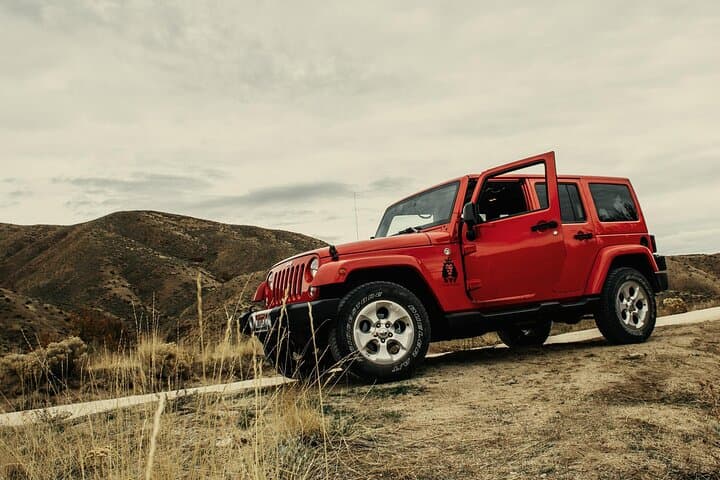
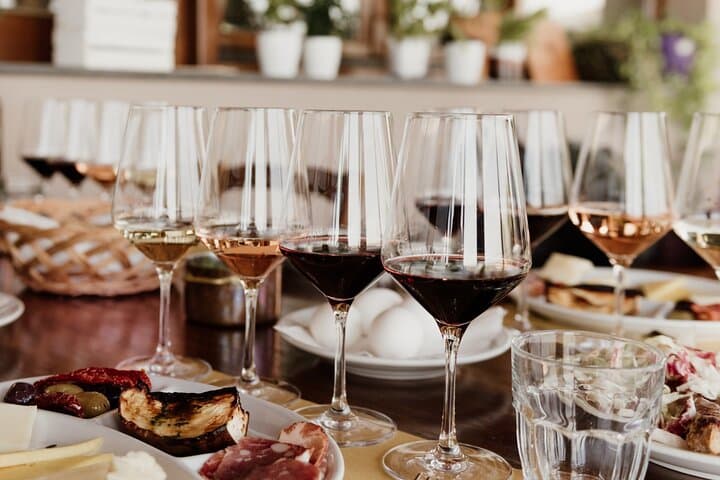
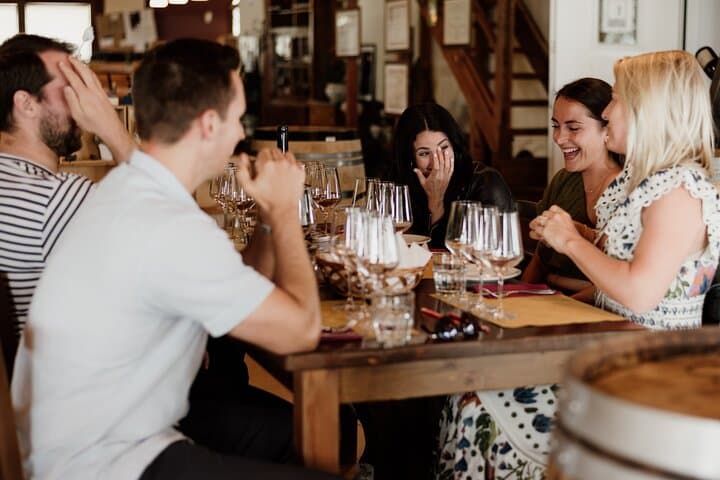
Drive a 4x4 onto Mount Etna’s northern slopes, walk across recent lava fields with an expert guide, then wind down in a family-run Etna winery for a hearty lunch and three wine pours. This half-day excursion pairs geology and gastronomy with accessible adventure.
Drive a 4x4 onto Mount Etna’s northern slopes, walk across recent lava fields with an expert guide, then wind down in a family-run Etna winery for a hearty lunch and three wine pours. This half-day excursion pairs geology and gastronomy with accessible adventure.
You climb into a sturdy 4x4 as Catania slips behind you and the island’s black spine—Mount Etna—fills the windshield. After about an hour the road winds into high, lunar slopes and you step out at roughly 1,800 m on Etna’s north flank (Piano Provenzana). The air is thinner, punctuated by sulfur and pine; underfoot, ancient lava flows and recent ash form a rough, low-vegetation landscape that dares you to explore.
Verified experiences and guided adventures in the surrounding area.
Operated by Empeeria · Catania, Sicily
You climb into a sturdy 4x4 as Catania slips behind you and the island’s black spine—Mount Etna—fills the windshield. After about an hour the road winds into high, lunar slopes and you step out at roughly 1,800 m on Etna’s north flank (Piano Provenzana). The air is thinner, punctuated by sulfur and pine; underfoot, ancient lava flows and recent ash form a rough, low-vegetation landscape that dares you to explore.
Etna is Europe’s highest active volcano (summits vary around 3,300 m) and a geological laboratory of basaltic lava, collapse craters and successive flows shaped over millennia. Human history here is braided with fire: villages rebuilt after eruptions and centuries-old vineyards that make use of mineral-rich soils. Local winemakers on Etna practice a distinct viticulture—terraced vines, porous volcanic soils and indigenous grape varieties—that pairs uniquely with the mountain’s microclimates.
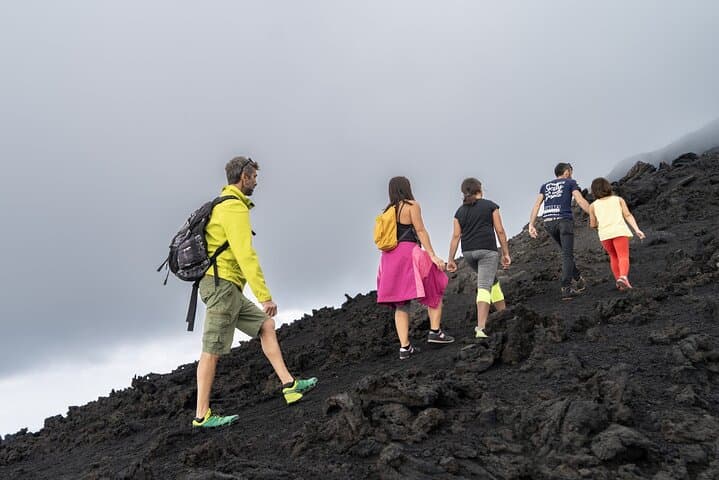
The tour combines a short guided trek across lava and ash (expect uneven footing over 1–3 km with modest elevation change) and time in a family-run winery for a multi-course lunch and three wine pours. Guides explain recent eruptive history and point out features like lava tongues, pahoehoe/basalt textures and crater rims visible from the north side.
Practical edge: wear hiking shoes with good tread, layered clothing for rapid weather shifts, sun protection and 1–2 liters of water. The day fits a wide range of fitness levels but includes walking on loose volcanic terrain; plan for 6–7 hours door-to-door from Catania and inform operators of pickup location, allergies and any mobility limits.
moderate.
7 hours.
Light-to-moderate fitness; able to walk 1–3 km on uneven volcanic ground and handle short climbs at altitude
The guided walk is a short trek typically covering 1–3 km over uneven volcanic terrain and occupies part of the 6–7 hour tour.
The tour uses a 4x4 to access high points, but the trek includes loose surfaces and steps; travelers with limited mobility should check with the operator before booking.
Most people are fine at 1,800 m, but those sensitive to altitude may notice mild symptoms—stay hydrated and take it easy during the walk.
The winery lunch includes three wine pours and local dishes; Italian law prohibits serving alcohol to under-21s on some tours—confirm with the operator at booking.
Etna has been erupting repeatedly for thousands of years and shaped local culture—towns rebuilt after flows and a long history of specialized mountain viticulture.
Volcanic soils are fragile and recover slowly; stick to established paths, respect private vineyard borders and follow winery guidance to minimize impact.
Empeeria operates guided outdoor trips and adventures with an emphasis on safety, stewardship, and memorable experiences.
You climb into a sturdy 4x4 as Catania slips behind you and the island’s black spine—Mount Etna—fills the windshield. After about an hour the road winds into high, lunar slopes and you step out at roughly 1,800 m on Etna’s north flank (Piano Provenzana). The air is thinner, punctuated by sulfur and pine; underfoot, ancient lava flows and recent ash form a rough, low-vegetation landscape that dares you to explore.
You climb into a sturdy 4x4 as Catania slips behind you and the island’s black spine—Mount Etna—fills the windshield. After about an hour the road winds into high, lunar slopes and you step out at roughly 1,800 m on Etna’s north flank (Piano Provenzana). The air is thinner, punctuated by sulfur and pine; underfoot, ancient lava flows and recent ash form a rough, low-vegetation landscape that dares you to explore.
Etna is Europe’s highest active volcano (summits vary around 3,300 m) and a geological laboratory of basaltic lava, collapse craters and successive flows shaped over millennia. Human history here is braided with fire: villages rebuilt after eruptions and centuries-old vineyards that make use of mineral-rich soils. Local winemakers on Etna practice a distinct viticulture—terraced vines, porous volcanic soils and indigenous grape varieties—that pairs uniquely with the mountain’s microclimates.
The tour combines a short guided trek across lava and ash (expect uneven footing over 1–3 km with modest elevation change) and time in a family-run winery for a multi-course lunch and three wine pours. Guides explain recent eruptive history and point out features like lava tongues, pahoehoe/basalt textures and crater rims visible from the north side.
Practical edge: wear hiking shoes with good tread, layered clothing for rapid weather shifts, sun protection and 1–2 liters of water. The day fits a wide range of fitness levels but includes walking on loose volcanic terrain; plan for 6–7 hours door-to-door from Catania and inform operators of pickup location, allergies and any mobility limits.