THE ADVENTURE COLLECTIVE® · Independent discovery and booking for outdoor travel

Climb by vehicle and foot to about 2,000 meters on Mount Etna for close-up views of the Silvestri craters and a tasting of local honey, wine, and olive oil. This small-group tour blends geology, local culture, and accessible alpine walking.
Climb by vehicle and foot to about 2,000 meters on Mount Etna for close-up views of the Silvestri craters and a tasting of local honey, wine, and olive oil. This small-group tour blends geology, local culture, and accessible alpine walking.
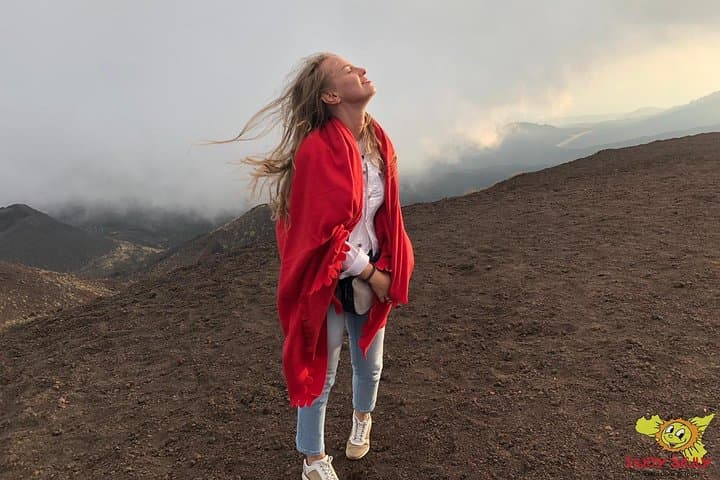
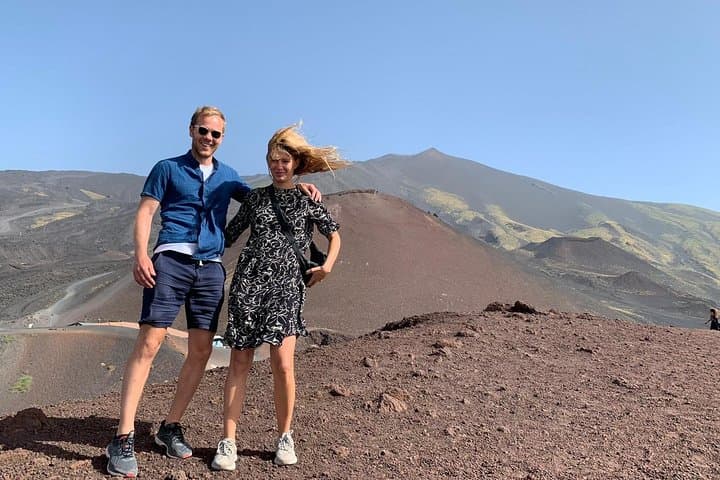
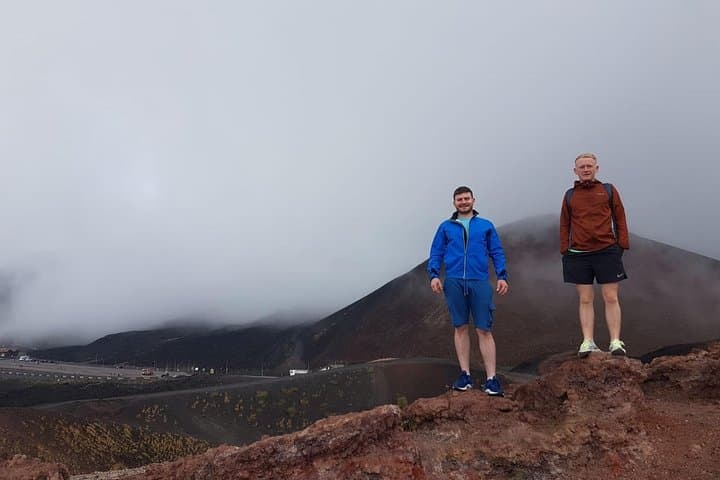
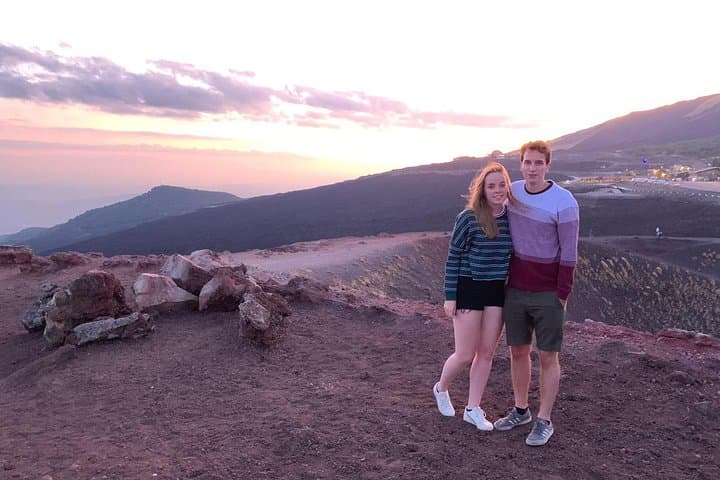
You step from a small vehicle into thin, cool air at roughly 2,000 meters and the landscape shifts: stony ridges, black ash underfoot, and the broad mouths of the Silvestri craters yawning like geological pages turned open.
Verified experiences and guided adventures in the surrounding area.
Operated by Enjoy Sicily · Catania, Sicily
You step from a small vehicle into thin, cool air at roughly 2,000 meters and the landscape shifts: stony ridges, black ash underfoot, and the broad mouths of the Silvestri craters yawning like geological pages turned open.
This route crosses Etna Regional Park toward Europe's highest active volcano — a place UNESCO recognized in 2013 for its volcanic processes and human adaptation. Geology is visible at every step: layered lava flows, old cinder cones, and ash fields shaped by repeated eruptions. Locals have long worked this land; terraces below the summit grow Nerello grapes and olives fed by mineral-rich soils, and farm shops offer honey, wine, and olive oil that carry that volcanic signature.
On this small-group outing (4–6 people) a guide explains crater formation, eruption history, and safe routes to panoramic overlooks. Visits include the Silvestri craters and, weather permitting, a short cave approach — good footwear required. Photographers will find stark moonscapes and long lines of light at sunrise or late afternoon. The tasting at a nearby farm shop is a practical cultural exchange: local producers explain how ash and lava alter flavor.
Practical note: the tour runs about four hours, with pickup by small vehicle; reservations are required at least four days in advance. Weather and visibility change rapidly at altitude, so layer up, carry water, and expect cool wind even in summer. This is a compact, interpretive mountain experience — part geology lesson, part culinary pause — best for travelers comfortable with uneven terrain and light altitude exposure.
moderate.
4 hours.
Suitable for people in moderate physical condition able to walk on uneven ground for up to 2 hours with short breaks
Tours are limited to 4–6 people and must be reserved at least four days before departure to ensure vehicle and guide availability.
The operator notes it is not recommended for travelers with significant spinal, heart conditions, or pregnancy; check with the provider before booking for children and special needs.
This itinerary reaches about 2,000 m with visits to the Silvestri craters and panoramic viewpoints; it does not include technical ascent of the summit cone.
The tour can be canceled for poor visibility or unsafe conditions; refunds are available if canceled at least 24 hours prior per the provider's policy.
Etna’s eruptions have shaped local settlement and agriculture for millennia; the volcano’s cultural and scientific value led to its 2013 UNESCO inscription.
The Etna Regional Park protects unique alpine vegetation and volcanic landscapes; visitors should stay on marked trails and avoid removing rocks or plants to minimize impact.
Enjoy Sicily operates guided outdoor trips and adventures with an emphasis on safety, stewardship, and memorable experiences.
You step from a small vehicle into thin, cool air at roughly 2,000 meters and the landscape shifts: stony ridges, black ash underfoot, and the broad mouths of the Silvestri craters yawning like geological pages turned open.
You step from a small vehicle into thin, cool air at roughly 2,000 meters and the landscape shifts: stony ridges, black ash underfoot, and the broad mouths of the Silvestri craters yawning like geological pages turned open.
This route crosses Etna Regional Park toward Europe's highest active volcano — a place UNESCO recognized in 2013 for its volcanic processes and human adaptation. Geology is visible at every step: layered lava flows, old cinder cones, and ash fields shaped by repeated eruptions. Locals have long worked this land; terraces below the summit grow Nerello grapes and olives fed by mineral-rich soils, and farm shops offer honey, wine, and olive oil that carry that volcanic signature.
On this small-group outing (4–6 people) a guide explains crater formation, eruption history, and safe routes to panoramic overlooks. Visits include the Silvestri craters and, weather permitting, a short cave approach — good footwear required. Photographers will find stark moonscapes and long lines of light at sunrise or late afternoon. The tasting at a nearby farm shop is a practical cultural exchange: local producers explain how ash and lava alter flavor.
Practical note: the tour runs about four hours, with pickup by small vehicle; reservations are required at least four days in advance. Weather and visibility change rapidly at altitude, so layer up, carry water, and expect cool wind even in summer. This is a compact, interpretive mountain experience — part geology lesson, part culinary pause — best for travelers comfortable with uneven terrain and light altitude exposure.