THE ADVENTURE COLLECTIVE® · Independent discovery and booking for outdoor travel

Experience Sicily’s dual extremes in one day: walk the basalt-carved Alcantara Gorges, then ascend to Rifugio Sapienza for sweeping views of Mount Etna’s lava fields. This practical day tour blends geology, local culture and accessible alpine terrain.
Experience Sicily’s dual extremes in one day: walk the basalt-carved Alcantara Gorges, then ascend to Rifugio Sapienza for sweeping views of Mount Etna’s lava fields. This practical day tour blends geology, local culture and accessible alpine terrain.
A cold wind from the craters meets the warmth of the Alcantara river in a single day: travelers begin among columnar basalt and spray at the Alcantara Gorges, then climb to Rifugio Sapienza where sulphur-scented air and wide volcanic skirts stretch toward the Mediterranean.
Verified experiences and guided adventures in the surrounding area.
Operated by CASSATA TRAVEL · Nicolosi, Sicily
A cold wind from the craters meets the warmth of the Alcantara river in a single day: travelers begin among columnar basalt and spray at the Alcantara Gorges, then climb to Rifugio Sapienza where sulphur-scented air and wide volcanic skirts stretch toward the Mediterranean.
The Alcantara Gorges are a record of fire and water—river-carved canyons cut through historic lava flows, their hexagonal columns and black walls formed when molten rock cooled against flowing water. Mount Etna, Europe’s most active volcano, has an eruptive history visible in striated lava fields, recent pumice deposits and the younger craters that scar its flanks. Local villages bear the imprint of this geology: vineyards planted on mineral-rich soils, baroque towns rebuilt after tremors and traditions that mark the rhythm of eruptions.
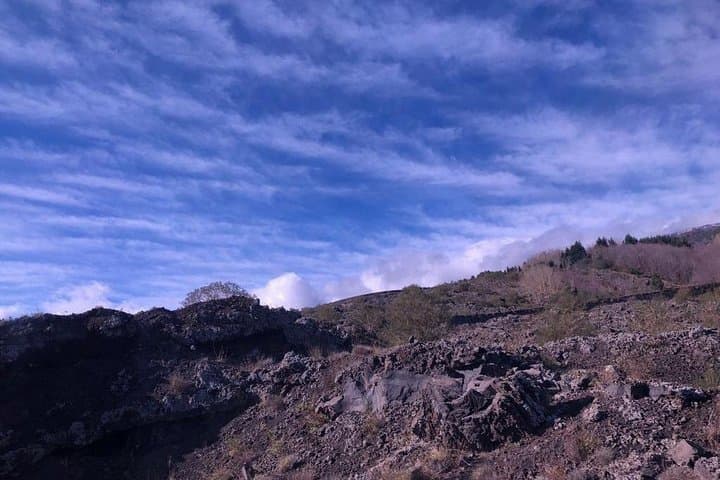
Expect two contrasting landscapes: the shaded, basalt-carved gorge with its slippery pathways and narrow viewpoints, then open, windswept slopes above 1,900 m with panoramic views of the eastern Sicilian coast. Guides explain eruptive phases, land use and how communities adapt.
Practical notes: the day is about seven hours with moderate walking—sturdy boots and layered clothing are essential. Pack 1–2 liters of water, sun protection and a light wind shell; weather changes fast above 1,800–2,000 m. Trails in the gorge can be wet and uneven; follow guide instructions and signage. The tour suits hikers with moderate fitness and no serious mobility or cardiovascular limits. Timing a visit outside peak afternoon heat improves comfort and visibility.
moderate.
6–7 hours.
Moderate fitness; able to walk on uneven terrain and handle short steep sections
Older children with good mobility can handle the day, but the tour isn’t recommended for infants or very young kids due to uneven terrain and altitude.
Typical inclusions are transport, a professional guide and the visit stops; check your booking for exact details and any extra entrance fees.
Rifugio Sapienza sits near 1,900–2,000 meters above sea level on Etna’s southern slope—conditions are alpine compared with coastal towns.
Yes—guides and operators may alter or cancel parts of the trip for safety if activity or weather makes areas inaccessible.
Local settlements and vineyards have adapted for centuries to Etna’s eruptions; the Alcantara Gorge formed when lava flows met and were reshaped by ancient rivers.
Stay on marked trails to limit erosion and protect rare riparian plants in the gorge; local reserves manage visitor impact and restrict access during sensitive periods.
CASSATA TRAVEL operates guided outdoor trips and adventures with an emphasis on safety, stewardship, and memorable experiences.
A cold wind from the craters meets the warmth of the Alcantara river in a single day: travelers begin among columnar basalt and spray at the Alcantara Gorges, then climb to Rifugio Sapienza where sulphur-scented air and wide volcanic skirts stretch toward the Mediterranean.
A cold wind from the craters meets the warmth of the Alcantara river in a single day: travelers begin among columnar basalt and spray at the Alcantara Gorges, then climb to Rifugio Sapienza where sulphur-scented air and wide volcanic skirts stretch toward the Mediterranean.
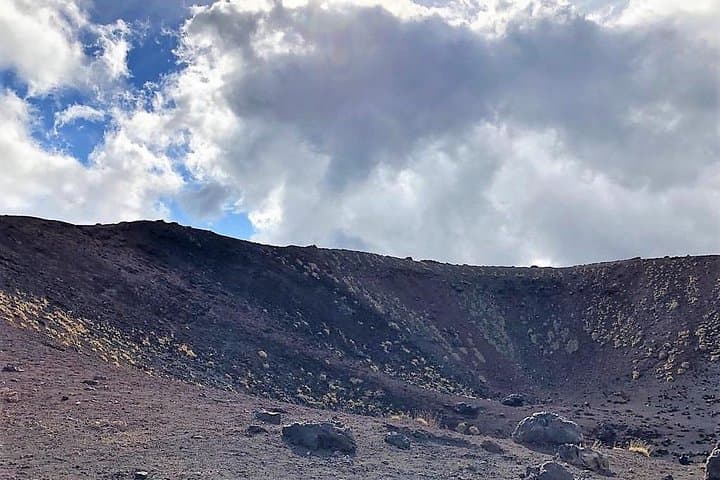
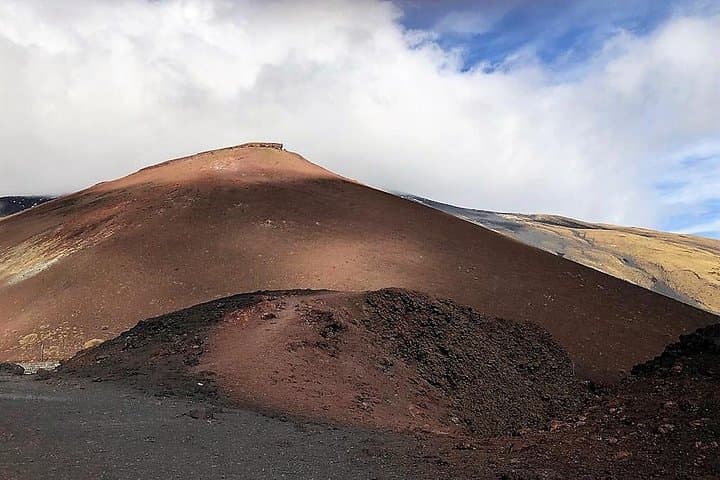
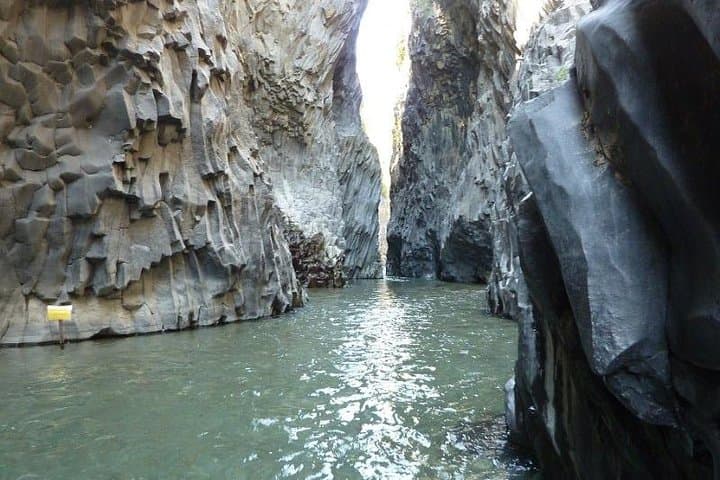
The Alcantara Gorges are a record of fire and water—river-carved canyons cut through historic lava flows, their hexagonal columns and black walls formed when molten rock cooled against flowing water. Mount Etna, Europe’s most active volcano, has an eruptive history visible in striated lava fields, recent pumice deposits and the younger craters that scar its flanks. Local villages bear the imprint of this geology: vineyards planted on mineral-rich soils, baroque towns rebuilt after tremors and traditions that mark the rhythm of eruptions.
Expect two contrasting landscapes: the shaded, basalt-carved gorge with its slippery pathways and narrow viewpoints, then open, windswept slopes above 1,900 m with panoramic views of the eastern Sicilian coast. Guides explain eruptive phases, land use and how communities adapt.
Practical notes: the day is about seven hours with moderate walking—sturdy boots and layered clothing are essential. Pack 1–2 liters of water, sun protection and a light wind shell; weather changes fast above 1,800–2,000 m. Trails in the gorge can be wet and uneven; follow guide instructions and signage. The tour suits hikers with moderate fitness and no serious mobility or cardiovascular limits. Timing a visit outside peak afternoon heat improves comfort and visibility.