THE ADVENTURE COLLECTIVE® · Independent discovery and booking for outdoor travel

A private transfer from Mount Emei to Chengdu with a stop at the Leshan Giant Buddha combines easy road travel with a close-up of a Tang-dynasty cliff carving. Expect valley views, temple courtyards and a short riverside walk to the Buddha.
A private transfer from Mount Emei to Chengdu with a stop at the Leshan Giant Buddha combines easy road travel with a close-up of a Tang-dynasty cliff carving. Expect valley views, temple courtyards and a short riverside walk to the Buddha.
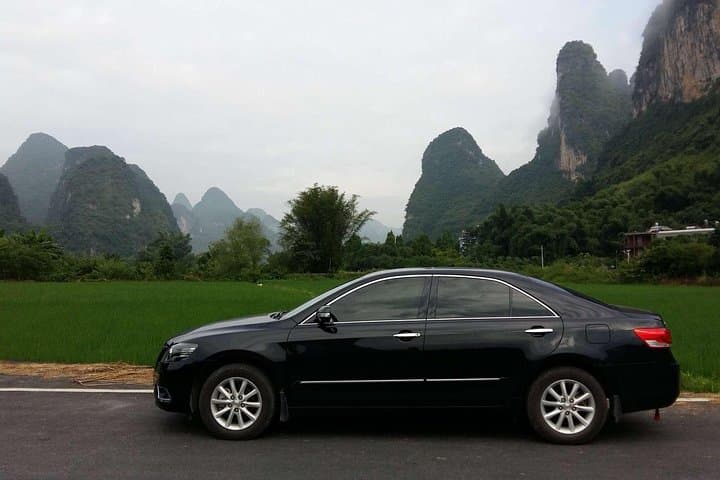
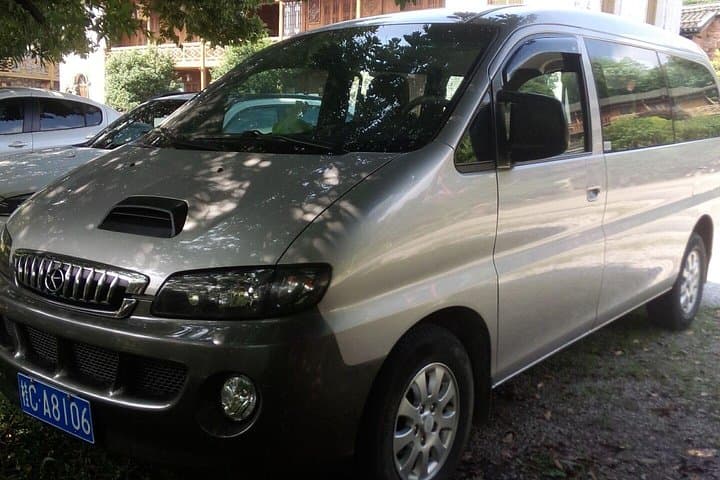
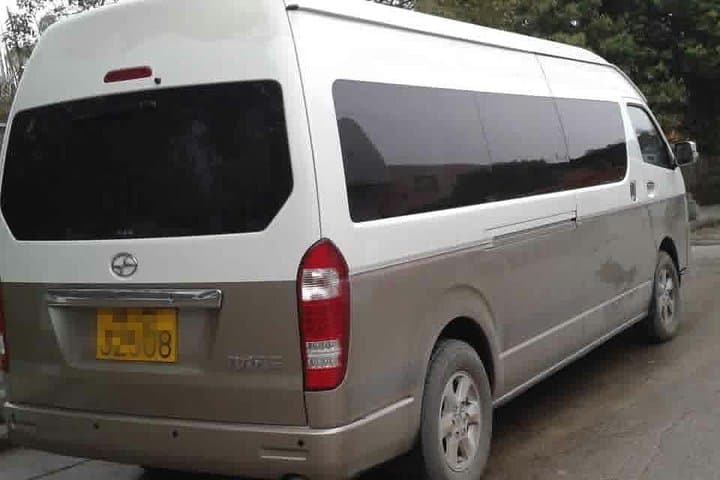
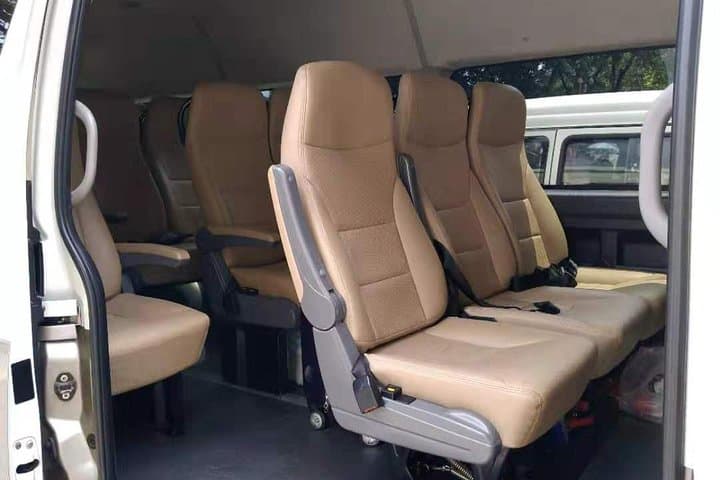
Dawn lifts fog off Mount Emei and the road unwinds through terraced tea slopes as the private car slides away from the mountain town. The drive across Sichuan covers roughly 170 km of valley and foothill—enough time to watch forested ridgelines turn to red-cliff river canyons—before the cliffs of Leshan appear, and the 71-meter carved Buddha peers down at the confluence of three rivers.
Verified experiences and guided adventures in the surrounding area.
Operated by happychinatours · Leshan, Sichuan
Dawn lifts fog off Mount Emei and the road unwinds through terraced tea slopes as the private car slides away from the mountain town. The drive across Sichuan covers roughly 170 km of valley and foothill—enough time to watch forested ridgelines turn to red-cliff river canyons—before the cliffs of Leshan appear, and the 71-meter carved Buddha peers down at the confluence of three rivers.
The Leshan Giant Buddha dates to the Tang dynasty (early 8th century) and was carved to calm turbulent waters below; today visitors approach by a cliffside plank road and riverside promenade to study the sculpture’s weathered features and the ancient drainage system built into the statue. Geologically, the area is part of the eastern Sichuan Basin margin—sandstone and conglomerate cliffs eroded by the Min and Dadu rivers create dramatic vertical faces.
Culturally, the route links two UNESCO-recognized sites: Mount Emei’s monastery network and Leshan’s monumental Buddha, places of active worship and pilgrimage. Expect a mix of quiet temple courtyards, souvenir stalls, and crowds at popular viewpoints.
Practicalities: the private transfer typically runs 6–6.5 hours with the Leshan stop; the driver usually handles navigation but may not speak English. Bring modest clothing for temple visits, comfortable shoes for stair and plank sections, and a charged phone for translation. Plan early starts to beat midday crowds and allow time on the riverside for photography; mobility-impaired visitors should note some viewpoints require steps. This is an accessible, culturally rich day that pairs easy road travel with short, steep walks at the sites.
easy.
6–6.5 hours.
Light activity: able to sit comfortably for the drive and do short walks with stairs.
With a stop at Leshan the full transfer typically takes about 6–6.5 hours; non-stop it’s closer to 2.5–3 hours.
You can view the Buddha from the riverside promenade with minimal walking, but closer inspection requires stairs and a short plank-road section.
Drivers often have limited English; operators commonly recommend using a phone translation app or contacting the local operator if needed.
Some areas, like certain promenades, are accessible, but many viewpoints and plank paths include steps and uneven surfaces that may limit access.
The Leshan Giant Buddha was carved starting in 713 AD during the Tang dynasty and took several decades to complete; the site was intended to calm river currents.
Both Mount Emei and Leshan are UNESCO-listed; visitors are asked to respect temples, avoid littering, and stick to marked paths to protect erosion-prone cliffs and cultural artifacts.
happychinatours operates guided outdoor trips and adventures with an emphasis on safety, stewardship, and memorable experiences.
Dawn lifts fog off Mount Emei and the road unwinds through terraced tea slopes as the private car slides away from the mountain town. The drive across Sichuan covers roughly 170 km of valley and foothill—enough time to watch forested ridgelines turn to red-cliff river canyons—before the cliffs of Leshan appear, and the 71-meter carved Buddha peers down at the confluence of three rivers.
Dawn lifts fog off Mount Emei and the road unwinds through terraced tea slopes as the private car slides away from the mountain town. The drive across Sichuan covers roughly 170 km of valley and foothill—enough time to watch forested ridgelines turn to red-cliff river canyons—before the cliffs of Leshan appear, and the 71-meter carved Buddha peers down at the confluence of three rivers.
The Leshan Giant Buddha dates to the Tang dynasty (early 8th century) and was carved to calm turbulent waters below; today visitors approach by a cliffside plank road and riverside promenade to study the sculpture’s weathered features and the ancient drainage system built into the statue. Geologically, the area is part of the eastern Sichuan Basin margin—sandstone and conglomerate cliffs eroded by the Min and Dadu rivers create dramatic vertical faces.
Culturally, the route links two UNESCO-recognized sites: Mount Emei’s monastery network and Leshan’s monumental Buddha, places of active worship and pilgrimage. Expect a mix of quiet temple courtyards, souvenir stalls, and crowds at popular viewpoints.
Practicalities: the private transfer typically runs 6–6.5 hours with the Leshan stop; the driver usually handles navigation but may not speak English. Bring modest clothing for temple visits, comfortable shoes for stair and plank sections, and a charged phone for translation. Plan early starts to beat midday crowds and allow time on the riverside for photography; mobility-impaired visitors should note some viewpoints require steps. This is an accessible, culturally rich day that pairs easy road travel with short, steep walks at the sites.