THE ADVENTURE COLLECTIVE® · Independent discovery and booking for outdoor travel

See Mount Emei’s Golden Summit in a single, well-paced day by high-speed train from Chengdu. This guided round-trip pairs efficient transit with cable-car access to temples, panoramic viewing and a chance to witness the cloud sea.
See Mount Emei’s Golden Summit in a single, well-paced day by high-speed train from Chengdu. This guided round-trip pairs efficient transit with cable-car access to temples, panoramic viewing and a chance to witness the cloud sea.
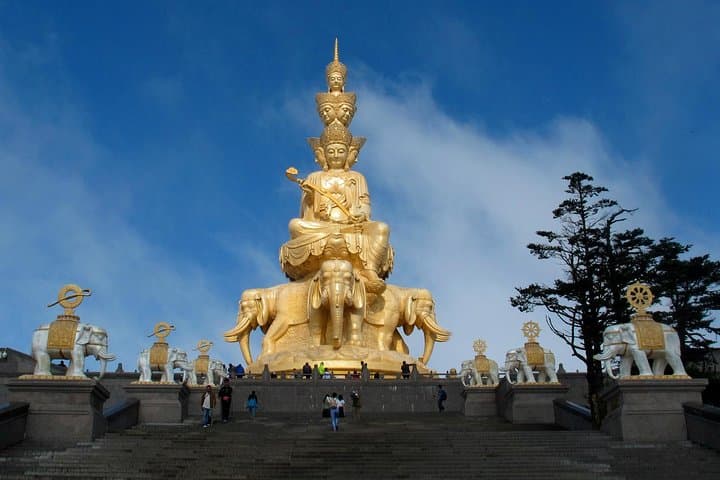
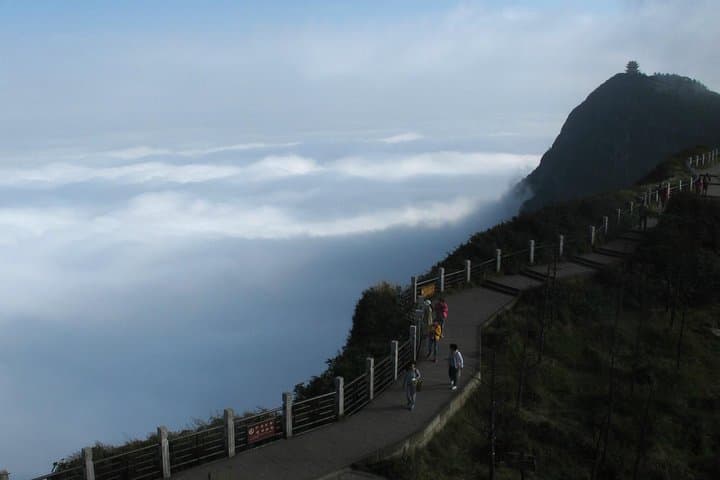
You step off the high-speed train into cool mountain air and the ancient slope of Emeishan rises before you — mossed rocks, a ribbon of road and the distant glint of a multi-faced golden statue crowning the ridge. The day stretches as a sequence of moving viewpoints: the countryside from the carriage window, a short uphill walk to the cable car, then the thin, wind-brushed summit where clouds can pool like a slow ocean around the temple.
Verified experiences and guided adventures in the surrounding area.
Operated by WindhorseTour (Chengdu) · Emeishan, Sichuan
You step off the high-speed train into cool mountain air and the ancient slope of Emeishan rises before you — mossed rocks, a ribbon of road and the distant glint of a multi-faced golden statue crowning the ridge. The day stretches as a sequence of moving viewpoints: the countryside from the carriage window, a short uphill walk to the cable car, then the thin, wind-brushed summit where clouds can pool like a slow ocean around the temple.
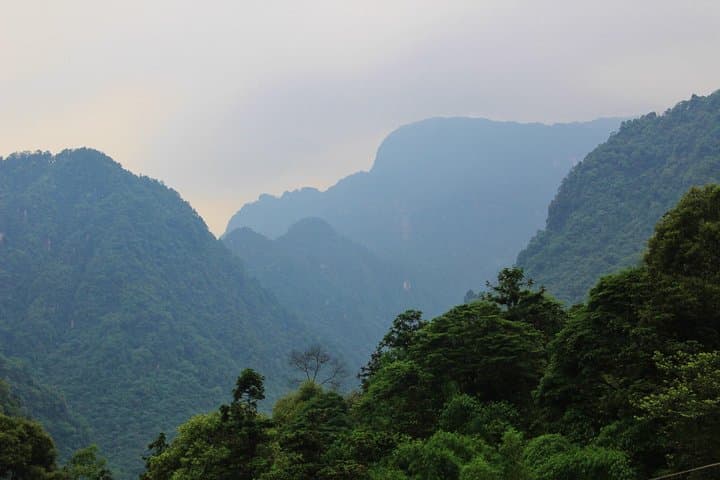
Mount Emei has been a center of Chinese Buddhism for more than 2,000 years and is one of China’s four sacred mountains; UNESCO protection reflects both cultural and ecological value. Geologically the peak forms the western rim of the Sichuan Basin, with steep forested terraces, granite outcrops and frequent orographic clouds that fuel a rich understory of ferns and rhododendrons. Local culture revolves around temples such as Baoguo and Huazang and the imposing Puxian statue on the Golden Summit.
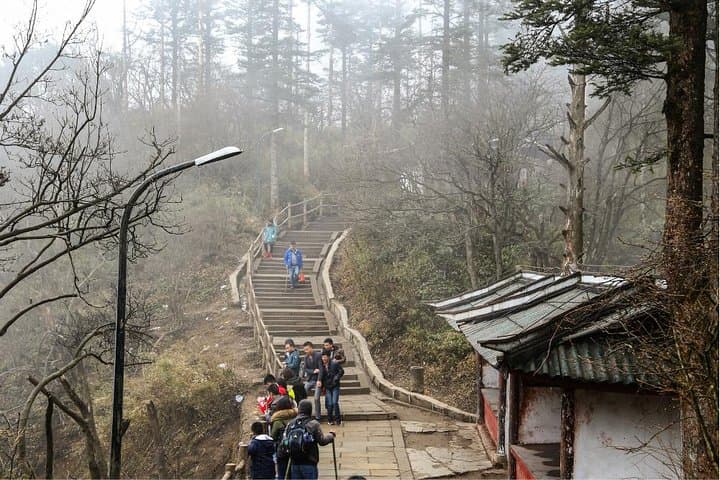
Practically, expect a long but well-structured day: the HSR is about 1 hour 20 minutes each way, and the guided itinerary packs bus transfers, a short hike (~30 minutes to the lower cable car), cable-car rides up to ~3,078 m and time on the summit for temple visits and lunch. Summer holidays bring long queues for the cable car; plan early departures, bring layers for summit winds and drink extra water to help with altitude. Comfortable, grippy shoes and a light rain shell make the day smoother. The tour is ideal for travelers who want a concentrated Mount Emei experience without overnighting on the mountain.
moderate.
10–12 hours.
Light to moderate fitness; able to walk short uphill sections, stand intermittently and tolerate brief altitude exposure.
High-speed trains take about 1 hour 20 minutes each way; this tour schedules an early outbound and late return to fit summit time.
No extended trekking is required—expect a ~30-minute uphill walk to the lower cable car plus short temple steps on the summit.
Yes, the tour includes required entrance tickets and the round-trip cable car to the Golden Summit as stated in the inclusions.
Because the Golden Summit sits above 3,000 m, travelers with severe heart disease or uncontrolled high blood pressure should avoid this excursion.
Mount Emei has hosted Buddhist monasteries for over two millennia and is a UNESCO World Heritage Site recognized for both cultural and natural values.
Heavy visitation concentrates on cable-car corridors and temples; follow marked paths, avoid feeding wildlife and use provided waste facilities to limit erosion and disturbance.
WindhorseTour (Chengdu) operates guided outdoor trips and adventures with an emphasis on safety, stewardship, and memorable experiences.
You step off the high-speed train into cool mountain air and the ancient slope of Emeishan rises before you — mossed rocks, a ribbon of road and the distant glint of a multi-faced golden statue crowning the ridge. The day stretches as a sequence of moving viewpoints: the countryside from the carriage window, a short uphill walk to the cable car, then the thin, wind-brushed summit where clouds can pool like a slow ocean around the temple.
You step off the high-speed train into cool mountain air and the ancient slope of Emeishan rises before you — mossed rocks, a ribbon of road and the distant glint of a multi-faced golden statue crowning the ridge. The day stretches as a sequence of moving viewpoints: the countryside from the carriage window, a short uphill walk to the cable car, then the thin, wind-brushed summit where clouds can pool like a slow ocean around the temple.
Mount Emei has been a center of Chinese Buddhism for more than 2,000 years and is one of China’s four sacred mountains; UNESCO protection reflects both cultural and ecological value. Geologically the peak forms the western rim of the Sichuan Basin, with steep forested terraces, granite outcrops and frequent orographic clouds that fuel a rich understory of ferns and rhododendrons. Local culture revolves around temples such as Baoguo and Huazang and the imposing Puxian statue on the Golden Summit.
Practically, expect a long but well-structured day: the HSR is about 1 hour 20 minutes each way, and the guided itinerary packs bus transfers, a short hike (~30 minutes to the lower cable car), cable-car rides up to ~3,078 m and time on the summit for temple visits and lunch. Summer holidays bring long queues for the cable car; plan early departures, bring layers for summit winds and drink extra water to help with altitude. Comfortable, grippy shoes and a light rain shell make the day smoother. The tour is ideal for travelers who want a concentrated Mount Emei experience without overnighting on the mountain.