THE ADVENTURE COLLECTIVE® · Independent discovery and booking for outdoor travel

A hands-on village coffee tour on the slopes of Mount Elgon where you pick cherries, pound husks, roast over open flame and brew traditional Ugandan coffee. Ideal for travelers who want tactile, small‑scale coffee education and local flavor.
A hands-on village coffee tour on the slopes of Mount Elgon where you pick cherries, pound husks, roast over open flame and brew traditional Ugandan coffee. Ideal for travelers who want tactile, small‑scale coffee education and local flavor.
You step off the dusty lane into a courtyard where smoke and spice hang low and the hills press close—Mount Elgon’s slopes folding outward like pages of a weathered map.
Verified experiences and guided adventures in the surrounding area.
Operated by Discover Sipi · Mbale, Eastern Region
You step off the dusty lane into a courtyard where smoke and spice hang low and the hills press close—Mount Elgon’s slopes folding outward like pages of a weathered map.
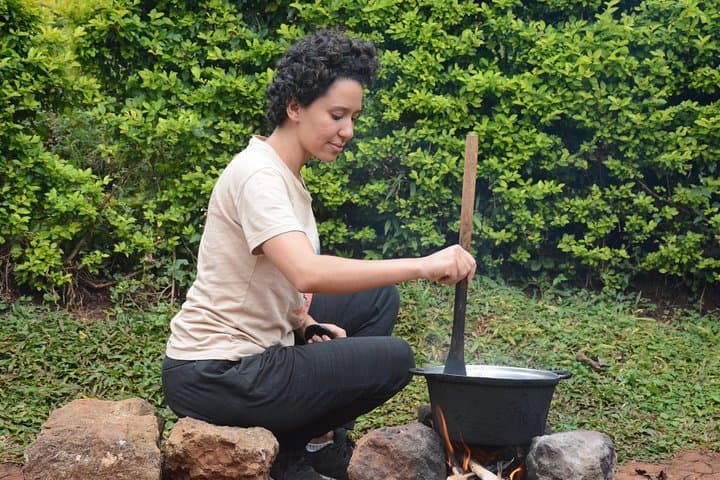
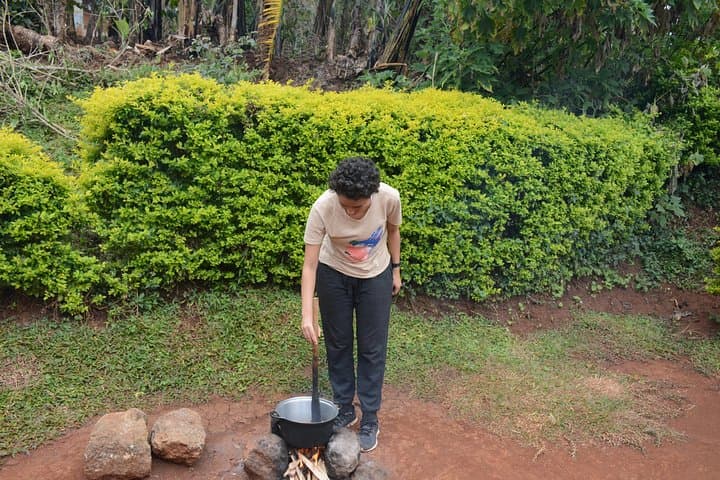
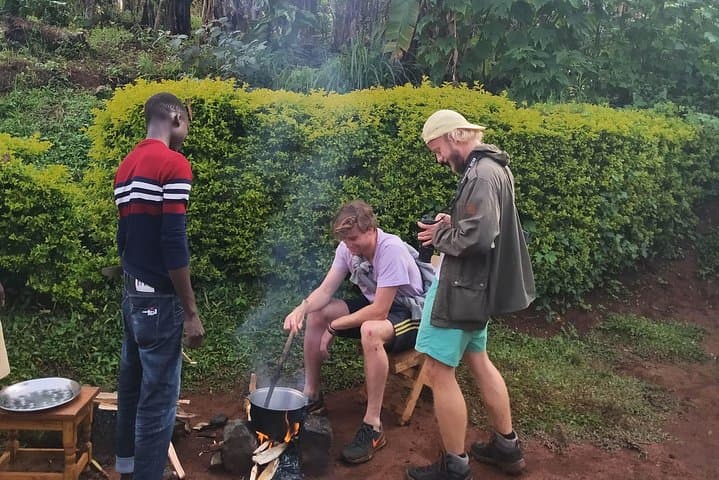
This village coffee tour moves at a human pace: you’ll pick ripe cherries, learn to strip husks with a wooden mortar, roast over an open pan and grind by hand before brewing the cup that proves each step mattered. Coffee on these slopes traces a layered history—wild origins in nearby Ethiopia, then cultivation shaped by missionaries and Indian traders who turned a wild fruit into a cash crop that supports families across the Eastern Region.
Geology shows in the soil: volcanic loam from Mount Elgon feeds smallholder plots and gives the beans bright acidity and floral notes. Culture arrives in the method—semi-washed, natural and honey processing taught by villagers who balance tradition with small-scale experimentation.
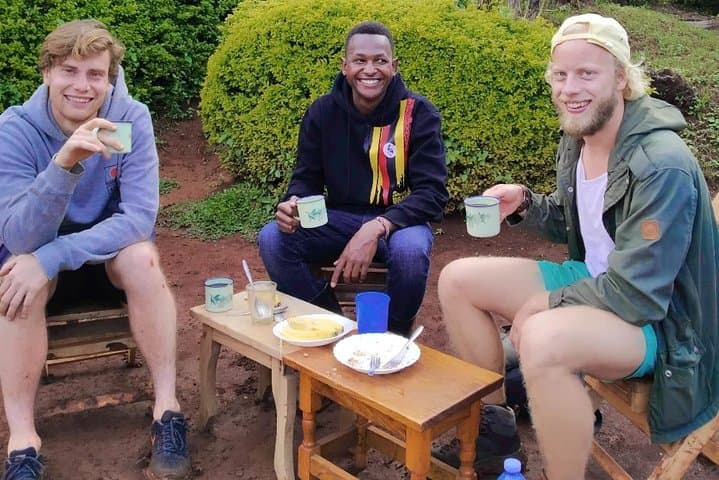
Expect close-up, tactile learning rather than a factory tour. You’ll taste variations (red honey, yellow honey, natural, semi-washed), nibble banana cakes served with coffee, and leave with practical brewing tips you can use at home.
Practical guidance: come with comfortable shoes for uneven village paths, bring a refillable water bottle, and plan for full-day travel from Mbale. The activity is accessible but can include smoke and low-level bending—ask about wheelchair access if mobility is a concern.
This is less about speed and more about connection: the trees seem to lean in, the roast whispers on the wind, and by the last cup you’ll know both how the coffee is made and why it matters to the people who grow it.
easy.
26–27 hours.
Suitable for most fitness levels; requires bending, short walks on uneven village terrain
The listing shows a total duration of roughly 26–27 hours—confirm timing with the operator as regional travel times and private arrangements can extend the schedule.
The tour notes indicate wheelchair-accessible areas, but portions such as outdoor roasting and picking may be uneven; notify the operator of accessibility needs when booking.
Expect demonstrations of red and yellow honey, natural and semi-washed processing, plus traditional mortar-and-pestle dehulling and pan roasting.
Yes—smallholder producers commonly sell green and roasted beans; bring local currency and check packaging for roast date and origin details.
Coffee cultivation on Mount Elgon grew after introductions from missionaries and Indian merchants; smallholder farming now sustains many village economies.
Many growers use shade trees and small‑plot agroforestry to protect soil and biodiversity; ask about sourcing practices and prefer shade-grown or cooperative-sourced beans.
Discover Sipi operates guided outdoor trips and adventures with an emphasis on safety, stewardship, and memorable experiences.
You step off the dusty lane into a courtyard where smoke and spice hang low and the hills press close—Mount Elgon’s slopes folding outward like pages of a weathered map.
You step off the dusty lane into a courtyard where smoke and spice hang low and the hills press close—Mount Elgon’s slopes folding outward like pages of a weathered map.
This village coffee tour moves at a human pace: you’ll pick ripe cherries, learn to strip husks with a wooden mortar, roast over an open pan and grind by hand before brewing the cup that proves each step mattered. Coffee on these slopes traces a layered history—wild origins in nearby Ethiopia, then cultivation shaped by missionaries and Indian traders who turned a wild fruit into a cash crop that supports families across the Eastern Region.
Geology shows in the soil: volcanic loam from Mount Elgon feeds smallholder plots and gives the beans bright acidity and floral notes. Culture arrives in the method—semi-washed, natural and honey processing taught by villagers who balance tradition with small-scale experimentation.
Expect close-up, tactile learning rather than a factory tour. You’ll taste variations (red honey, yellow honey, natural, semi-washed), nibble banana cakes served with coffee, and leave with practical brewing tips you can use at home.
Practical guidance: come with comfortable shoes for uneven village paths, bring a refillable water bottle, and plan for full-day travel from Mbale. The activity is accessible but can include smoke and low-level bending—ask about wheelchair access if mobility is a concern.
This is less about speed and more about connection: the trees seem to lean in, the roast whispers on the wind, and by the last cup you’ll know both how the coffee is made and why it matters to the people who grow it.