THE ADVENTURE COLLECTIVE® · Independent discovery and booking for outdoor travel

Walk a 38,000‑year‑old lava shield with a geologist guiding you through crater lakes, lava tunnels and visible channels. This 3–4 hour interpretive tour blends hard geology with local cultural context and an optional winery stop.
Walk a 38,000‑year‑old lava shield with a geologist guiding you through crater lakes, lava tunnels and visible channels. This 3–4 hour interpretive tour blends hard geology with local cultural context and an optional winery stop.
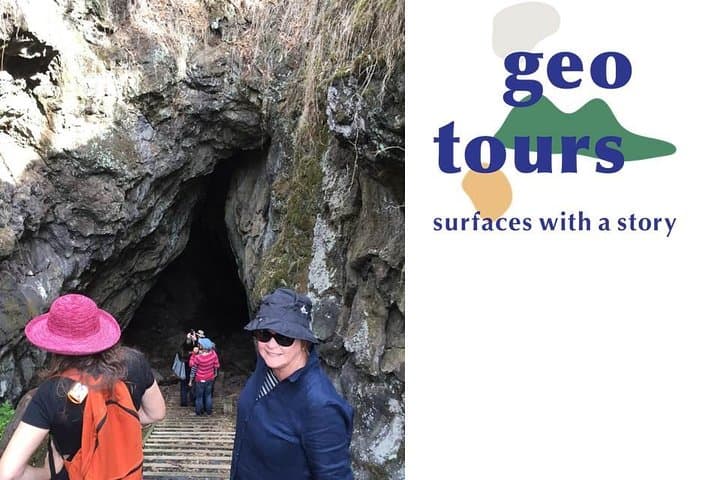
You step out of the air‑conditioned vehicle into wind that has been carving the lava field for tens of thousands of years. Black basalt glints under low scrub, and ahead the shallow rim of Mount Eccles frames a still crater-lake whose edges whisper of a long, slow cooling. The guide gestures to a collapsed lava tube; the rock feels warm from the afternoon sun and alive with stories.
Verified experiences and guided adventures in the surrounding area.
Operated by Geotours · Macarthur, Victoria
You step out of the air‑conditioned vehicle into wind that has been carving the lava field for tens of thousands of years. Black basalt glints under low scrub, and ahead the shallow rim of Mount Eccles frames a still crater-lake whose edges whisper of a long, slow cooling. The guide gestures to a collapsed lava tube; the rock feels warm from the afternoon sun and alive with stories.
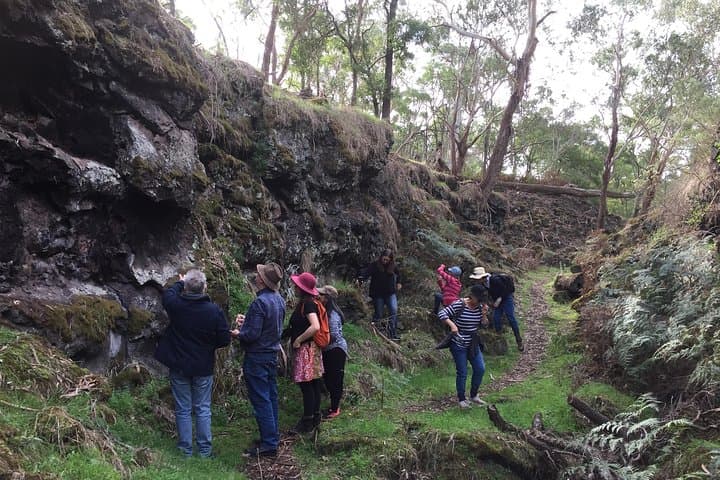
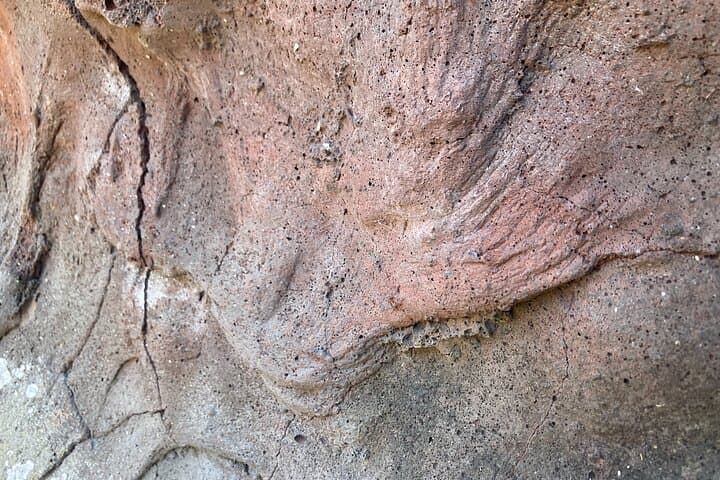
This guided natural history walk places you on a well-preserved lava shield formed in an eruption roughly 38,000 years ago. A local geologist explains eruption styles, lava channels, and the “lava snake” that once flowed underground. The volcanic landform and its soils also shaped human occupation here — the Gunditjmara people developed aquaculture systems on this lava plain, an ancient cultural connection distinct from the separate Budj Bim Cultural Landscape tours run by Indigenous custodians.
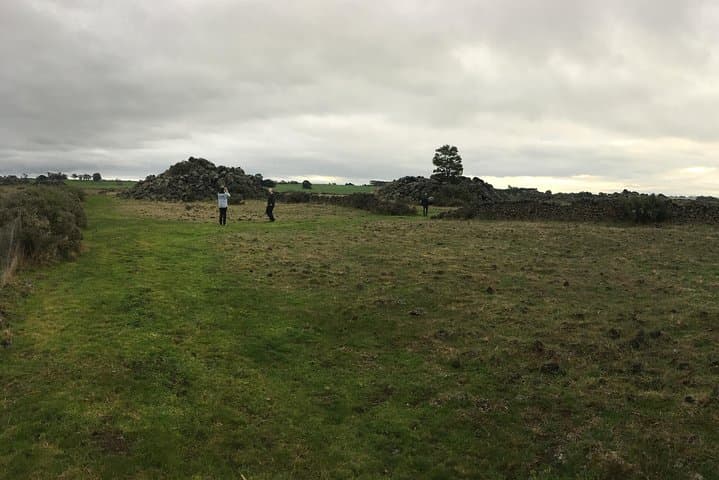
Expect mostly flat to gently undulating terrain with uneven basalt, short walking sections and vantage points at the crater rim. The experience is interpretive: close looks at lava tunnels, channels and a crater-lake, plus an optional winery stop en route. Practicalities: the tour runs about 3–4 hours, uses an air‑conditioned vehicle for transport, and is suited to a wide range of fitness levels. Bring sturdy shoes for sharp rock, sun protection and at least 1–2 liters of water. Weather can change quickly — a light rain shell is useful outside summer.
Move respectfully around cultural sites, follow your guide’s directions on access, and leave no trace. The geology here is literal history you can walk across; it rewards patience and informed observation.
easy.
3–4 hours.
Suitable for most people with basic mobility; light walking on uneven volcanic rock is required.
No — this geology-focused tour visits Mount Eccles volcano and explains volcanic processes and regional Aboriginal connections; guided Cultural Landscape tours of the Budj Bim aquaculture sites are run separately by Indigenous custodians.
The tour lasts about 3–4 hours and is rated easy: expect short, mostly flat walks over uneven volcanic rock rather than sustained climbing.
Yes — the tour is presented for a wide range of ages and is often used for school field education, but children should be supervised on rocky terrain.
An optional stop at a local winery or beer venue is offered on some departures; check the booking details for that day’s itinerary.
Mount Eccles erupted about 38,000 years ago and its lava flows influenced both landscape and local Gunditjmara occupation; the region contains ancient aquaculture features nearby that reflect long-term Indigenous engineering.
Visitors should stay on marked routes and follow guide instructions to protect fragile vegetation and culturally significant areas; support Indigenous-led tours where possible to help preserve heritage.
Geotours operates guided outdoor trips and adventures with an emphasis on safety, stewardship, and memorable experiences.
You step out of the air‑conditioned vehicle into wind that has been carving the lava field for tens of thousands of years. Black basalt glints under low scrub, and ahead the shallow rim of Mount Eccles frames a still crater-lake whose edges whisper of a long, slow cooling. The guide gestures to a collapsed lava tube; the rock feels warm from the afternoon sun and alive with stories.
You step out of the air‑conditioned vehicle into wind that has been carving the lava field for tens of thousands of years. Black basalt glints under low scrub, and ahead the shallow rim of Mount Eccles frames a still crater-lake whose edges whisper of a long, slow cooling. The guide gestures to a collapsed lava tube; the rock feels warm from the afternoon sun and alive with stories.
This guided natural history walk places you on a well-preserved lava shield formed in an eruption roughly 38,000 years ago. A local geologist explains eruption styles, lava channels, and the “lava snake” that once flowed underground. The volcanic landform and its soils also shaped human occupation here — the Gunditjmara people developed aquaculture systems on this lava plain, an ancient cultural connection distinct from the separate Budj Bim Cultural Landscape tours run by Indigenous custodians.
Expect mostly flat to gently undulating terrain with uneven basalt, short walking sections and vantage points at the crater rim. The experience is interpretive: close looks at lava tunnels, channels and a crater-lake, plus an optional winery stop en route. Practicalities: the tour runs about 3–4 hours, uses an air‑conditioned vehicle for transport, and is suited to a wide range of fitness levels. Bring sturdy shoes for sharp rock, sun protection and at least 1–2 liters of water. Weather can change quickly — a light rain shell is useful outside summer.
Move respectfully around cultural sites, follow your guide’s directions on access, and leave no trace. The geology here is literal history you can walk across; it rewards patience and informed observation.