THE ADVENTURE COLLECTIVE® · Independent discovery and booking for outdoor travel

Walk Kyoto’s Philosopher’s Path, explore Ginkakuji and Honen-in, then climb near the summit of Mount Daimonji for sweeping city views. This full-day guided route mixes temple visits with a steady mountain trail and practical cultural tips.
Walk Kyoto’s Philosopher’s Path, explore Ginkakuji and Honen-in, then climb near the summit of Mount Daimonji for sweeping city views. This full-day guided route mixes temple visits with a steady mountain trail and practical cultural tips.
You step off at Demachiyanagi and the city narrows into a shaded ribbon: Philosopher’s Path running between mossy stone walls and willow-lined canals.
Verified experiences and guided adventures in the surrounding area.
Operated by Tours in Kyoto · Kyoto, Kyoto Prefecture
You step off at Demachiyanagi and the city narrows into a shaded ribbon: Philosopher’s Path running between mossy stone walls and willow-lined canals.
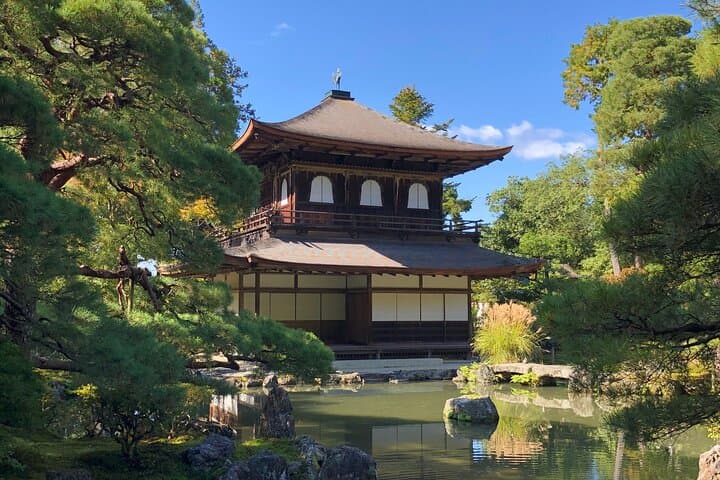
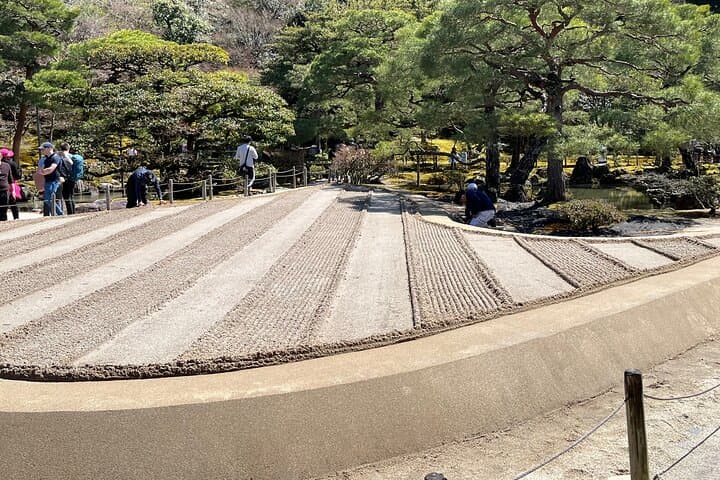
The route threads past Honen-in’s quiet gate and the raked gravel of Ginkakuji (the Silver Pavilion), then climbs into the wooded flank of Mount Daimonji where a short, steep ascent opens to a wide, plane-table view of Kyoto and the Imperial Palace rooflines below.
These sites span eras: Ginkakuji dates to the 15th-century Ashikaga shogunate, Nanzenji traces back to Kamakura-era Zen influence, and Heian Jingu is a modern, Meiji-period reconstruction honoring Kyoto’s imperial past. The Higashiyama ridge is low and green—forested slopes of cedars and maples that reveal the city’s volcanic-plain setting as you gain roughly 250 m in elevation on well-worn trails and stone steps.
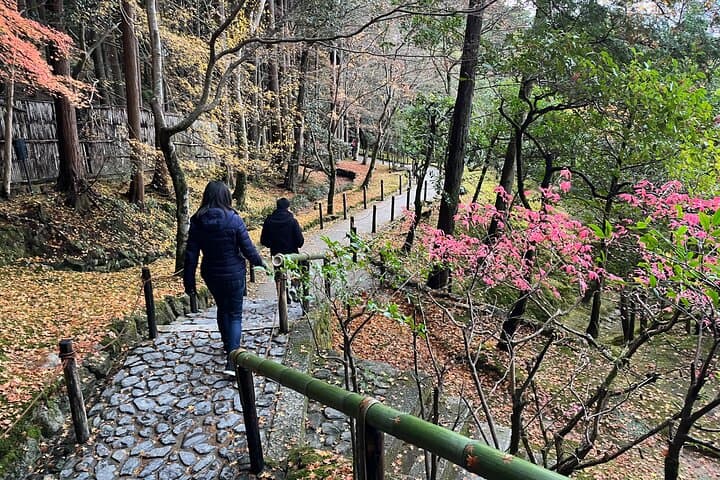
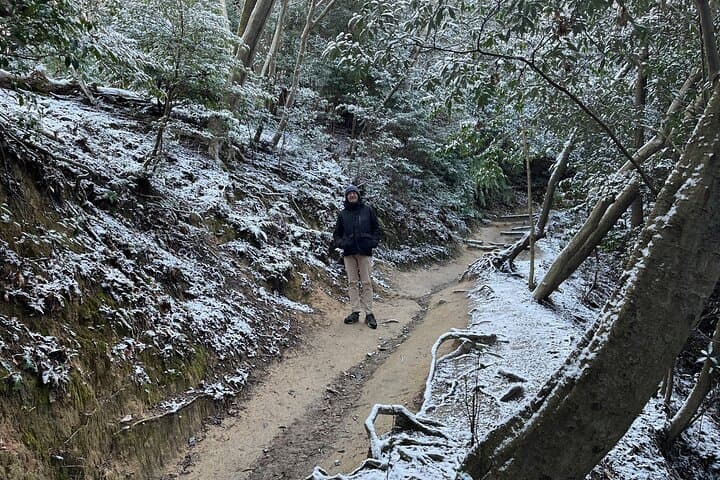
Expect a mix of urban sidewalks, temple stonework and single-track mountain trail across 8–12 km of walking; sections include steep stone stairs and narrow, exposed viewpoints.
Practical edge: plan for 8 hours, carry 1–2 liters of water, and wear grippy shoes for wet steps. Respect temple etiquette—quiet voices, no flash photography inside halls, and remove shoes where indicated.
Timing matters: morning light on Philosopher’s Path is soft and quieter; late afternoon brings a warm glow over the city from Daimonji’s lookout. This is a cultural hike that asks for steady shoes, a calm pace and curiosity—Kyoto’s history is always close at hand.
moderate.
8 hours.
Good cardiovascular fitness and steady legs for multiple hours of walking and a sustained uphill of ~250 m are recommended.
The ascent is steady but not technical—expect a roughly 250 m elevation gain on stone and dirt trails with some steep steps; a moderate level of fitness is sufficient.
Many temple gardens and halls have modest admission fees; check the guide or the tour link for specifics, as some sites require per-person entry paid on-site.
It’s physically demanding over several hours; older travelers in good health and children used to long walks can participate, but those with mobility limits may find stairs and slopes challenging.
Yes—small cash is useful for temple admissions, donations, snacks and public toilets, which sometimes require coins.
Daimonji’s ridge is part of Kyoto’s historic Higashiyama precinct; the Daimonji bonfire is one of the Gozan no Okuribi ceremonies marking Obon, while Kyoto’s temples reflect centuries of Zen and imperial patronage.
Trails and temple grounds receive heavy visitor traffic—stay on marked paths, avoid littering, and follow temple rules to protect gardens and cultural assets.
Tours in Kyoto operates guided outdoor trips and adventures with an emphasis on safety, stewardship, and memorable experiences.
You step off at Demachiyanagi and the city narrows into a shaded ribbon: Philosopher’s Path running between mossy stone walls and willow-lined canals.
You step off at Demachiyanagi and the city narrows into a shaded ribbon: Philosopher’s Path running between mossy stone walls and willow-lined canals.
The route threads past Honen-in’s quiet gate and the raked gravel of Ginkakuji (the Silver Pavilion), then climbs into the wooded flank of Mount Daimonji where a short, steep ascent opens to a wide, plane-table view of Kyoto and the Imperial Palace rooflines below.
These sites span eras: Ginkakuji dates to the 15th-century Ashikaga shogunate, Nanzenji traces back to Kamakura-era Zen influence, and Heian Jingu is a modern, Meiji-period reconstruction honoring Kyoto’s imperial past. The Higashiyama ridge is low and green—forested slopes of cedars and maples that reveal the city’s volcanic-plain setting as you gain roughly 250 m in elevation on well-worn trails and stone steps.
Expect a mix of urban sidewalks, temple stonework and single-track mountain trail across 8–12 km of walking; sections include steep stone stairs and narrow, exposed viewpoints.
Practical edge: plan for 8 hours, carry 1–2 liters of water, and wear grippy shoes for wet steps. Respect temple etiquette—quiet voices, no flash photography inside halls, and remove shoes where indicated.
Timing matters: morning light on Philosopher’s Path is soft and quieter; late afternoon brings a warm glow over the city from Daimonji’s lookout. This is a cultural hike that asks for steady shoes, a calm pace and curiosity—Kyoto’s history is always close at hand.