THE ADVENTURE COLLECTIVE® · Independent discovery and booking for outdoor travel

A 10-day circuit that climbs West Africa’s highest peak, combining rainforest trekking, crater vistas and cultural visits to Buea and Bamileke country. Expect multi-day camps, a long summit day and volcanic terrain that ranges from slick jungle to lunar ridgelines.
A 10-day circuit that climbs West Africa’s highest peak, combining rainforest trekking, crater vistas and cultural visits to Buea and Bamileke country. Expect multi-day camps, a long summit day and volcanic terrain that ranges from slick jungle to lunar ridgelines.
Dawn breaks on the western flank of Mount Cameroon and the rainforest exhales a damp, green breath. Your group loads into a vehicle in Buea and the road climbs, revealing black lava tongues and, beyond them, the glitter of Limbe’s coastline. On foot the mountain demands attention: lowland jungle gives way to mossy cloud forest, then to grassy slopes pocked with old craters. Clouds court the summit and fumaroles murmur reminders that this is a living volcano.
Verified experiences and guided adventures in the surrounding area.
Operated by Across Africa Tours LLC · Buea, Southwest Region
Dawn breaks on the western flank of Mount Cameroon and the rainforest exhales a damp, green breath. Your group loads into a vehicle in Buea and the road climbs, revealing black lava tongues and, beyond them, the glitter of Limbe’s coastline. On foot the mountain demands attention: lowland jungle gives way to mossy cloud forest, then to grassy slopes pocked with old craters. Clouds court the summit and fumaroles murmur reminders that this is a living volcano.
The massif is West Africa’s highest point at roughly 4,100 m and a landmark in local Fang and Bakweri oral histories; early visitors called it a mountain of gods. Geologically it’s a young stratovolcano with recent flows (notably 1980 and 1999) that created the lunar-looking summit plateau. Culturally, nearby Buea and Bamileke villages offer markets, traditional chiefs and weekly rites that ground the climb in local life.
Expect multi-day hiking with 4–7 hour walking days, camping at Man’s Spring and higher camps in tents, and at least one long summit push that gains well over 1,700 m in a day. Terrain varies from slick rainforest trails to loose volcanic scree and grassy ridgelines; good boots and steady pacing matter. Guides handle logistics, water resupply and campsite setup but bring personal layers for cold nights, sun protection for exposed sections and a small first-aid kit for blisters and altitude headaches. Aim for a steady, conservative pace on summit day, hydrate often, and leave no trace—this mountain supports rare plants and fragile alpine soils. With preparation, the route rewards with raw volcanic panoramas and coastal views that make every step count.
challenging.
10 days.
Good cardiovascular fitness and experience with multi-day hikes; ability to handle long days (4–7 hours) and steep ascents.
Yes—local guides are required for logistics, safety and navigating trails; your tour operator typically arranges permits and park fees.
Expect a long, steep push with about 1,700 m of elevation gain from high camp; the slope alternates between loose volcanic rock and crater-rim walking—pacing is critical.
The drier months (roughly November–February) offer more stable conditions and clearer summit views; rains can make trails slippery and camp conditions wet.
Yes—this itinerary includes several nights in tents (Man’s Spring and summit camps) plus hotel nights in Buea and other towns as listed.
Locally significant for Bakweri and other groups, Mount Cameroon has been referenced in historical accounts and legends; its eruptions shaped coastal communities and trade routes.
The mountain hosts rare, relict plant communities and fragile alpine soils; minimize campfire impact, stick to established trails and pack out all waste.
Across Africa Tours LLC operates guided outdoor trips and adventures with an emphasis on safety, stewardship, and memorable experiences.

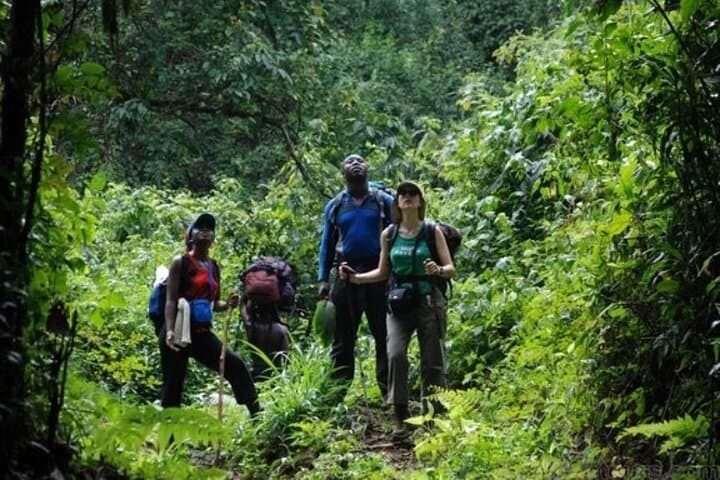
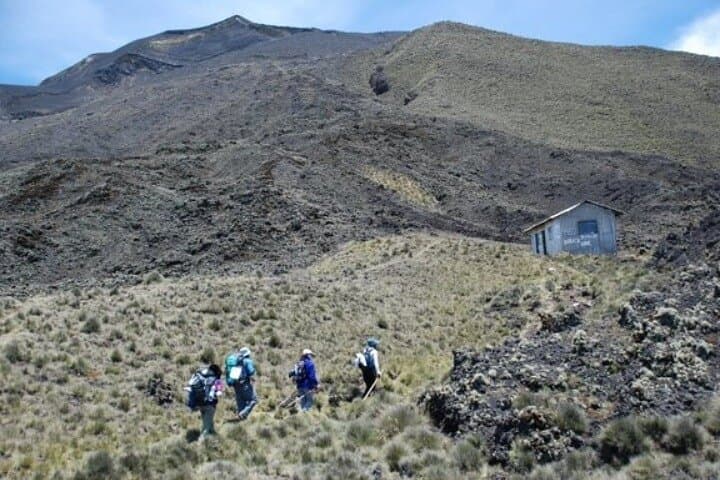
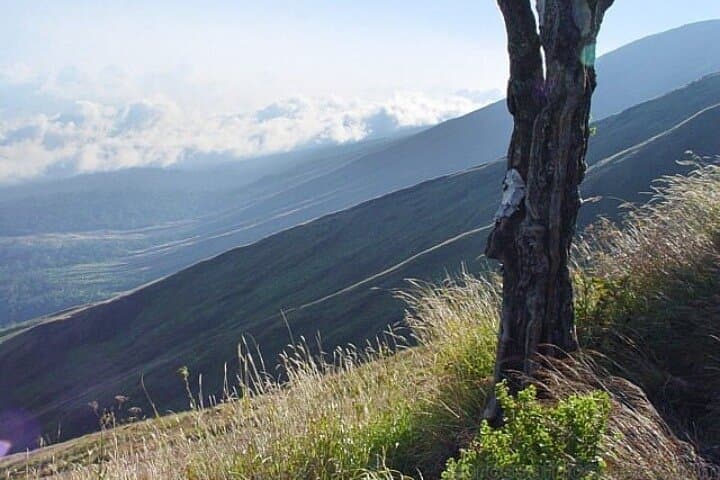
Dawn breaks on the western flank of Mount Cameroon and the rainforest exhales a damp, green breath. Your group loads into a vehicle in Buea and the road climbs, revealing black lava tongues and, beyond them, the glitter of Limbe’s coastline. On foot the mountain demands attention: lowland jungle gives way to mossy cloud forest, then to grassy slopes pocked with old craters. Clouds court the summit and fumaroles murmur reminders that this is a living volcano.
Dawn breaks on the western flank of Mount Cameroon and the rainforest exhales a damp, green breath. Your group loads into a vehicle in Buea and the road climbs, revealing black lava tongues and, beyond them, the glitter of Limbe’s coastline. On foot the mountain demands attention: lowland jungle gives way to mossy cloud forest, then to grassy slopes pocked with old craters. Clouds court the summit and fumaroles murmur reminders that this is a living volcano.
The massif is West Africa’s highest point at roughly 4,100 m and a landmark in local Fang and Bakweri oral histories; early visitors called it a mountain of gods. Geologically it’s a young stratovolcano with recent flows (notably 1980 and 1999) that created the lunar-looking summit plateau. Culturally, nearby Buea and Bamileke villages offer markets, traditional chiefs and weekly rites that ground the climb in local life.
Expect multi-day hiking with 4–7 hour walking days, camping at Man’s Spring and higher camps in tents, and at least one long summit push that gains well over 1,700 m in a day. Terrain varies from slick rainforest trails to loose volcanic scree and grassy ridgelines; good boots and steady pacing matter. Guides handle logistics, water resupply and campsite setup but bring personal layers for cold nights, sun protection for exposed sections and a small first-aid kit for blisters and altitude headaches. Aim for a steady, conservative pace on summit day, hydrate often, and leave no trace—this mountain supports rare plants and fragile alpine soils. With preparation, the route rewards with raw volcanic panoramas and coastal views that make every step count.