THE ADVENTURE COLLECTIVE® · Independent discovery and booking for outdoor travel

An intense, one-day ascent from Kigali to Mount Bisoke’s crater lake in Volcanoes National Park. Expect steep forest trails, high-altitude conditions, licensed rangers, and a summit that opens onto a blue crater pool.
An intense, one-day ascent from Kigali to Mount Bisoke’s crater lake in Volcanoes National Park. Expect steep forest trails, high-altitude conditions, licensed rangers, and a summit that opens onto a blue crater pool.
The day begins in the dark, a convoy of 4WDs carving up the road from Kigali while low clouds cling to the Virunga ridgeline.
Verified experiences and guided adventures in the surrounding area.
Operated by Judith Safaris · Musanze, Northern Province
The day begins in the dark, a convoy of 4WDs carving up the road from Kigali while low clouds cling to the Virunga ridgeline.
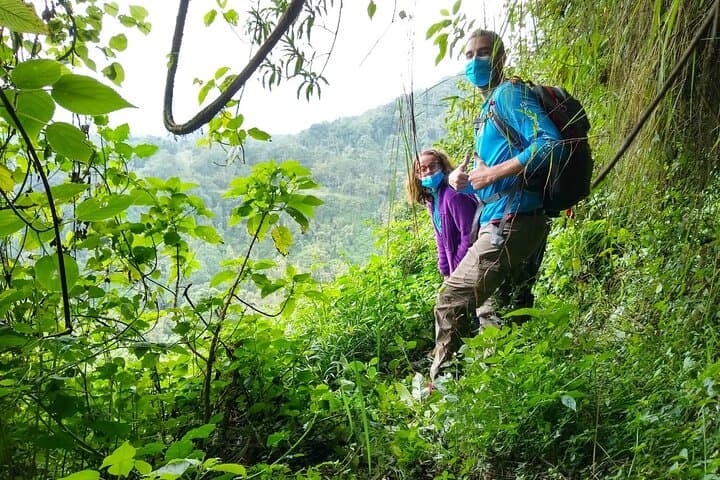
By the time you reach Volcanoes National Park headquarters the forest breathes around you — mossy trunks, a chorus of birds, and the quick, searching steps of rangers who know these slopes by heart. The trail climbs through montane forest, then opens into heath and tussock as the altitude rises; at the top, Bisoke’s crater lake sits like a polished eye, cool and still.
Geologically Bisoke is one of the Virunga Volcanoes on the Albertine Rift, shaped by repeated eruptions and long periods of dormancy that left a deep summit crater filled by rain. Culturally, guides and rangers are often local community members with decades of trail knowledge; their briefings cover safety, route etiquette, and the park’s conservation rules.
Expect a sustained ascent on a well-defined but steep trail — wet, rooted sections give way to open slopes near the rim. The hike reaches 3,711 m at the summit, so pace and hydration matter; the thinner air changes how hard the lungs work. Wildlife sightings are common below the treeline (golden monkeys, forest birds), while views across the Virungas reward the final switchbacks.
Practical guidance: start early, wear waterproof layers, carry 2–3 liters of water, and bring snacks for the summit. A licensed ranger and fee are required; your operator usually handles permits and transportation from Kigali or Musanze. Allow 6–8 hours for the full excursion, and plan for variable weather — the mountain can shift from sun to mist in an hour.
moderate.
6–8 hours.
Good aerobic fitness with experience on sustained uphill trails; ability to hike 6+ hours at elevation.
The excursion typically takes 6–8 hours round-trip with sustained uphill sections; expect moderate exertion with stretches of steep climbing to the 3,711 m summit.
Yes — a licensed park ranger is required and your operator arranges the Bisoke hiking fee and ranger assignment at the park headquarters.
Dry months (June–August, December–February) offer firmer trails and clearer views, but the mountain can be hiked year-round with rain-appropriate gear.
Yes — the summit is high enough that some hikers feel breathless; pace yourself, hydrate, and communicate any symptoms to your ranger immediately.
Bisoke is part of the Virunga volcanic chain on the Albertine Rift; human presence and conservation work here intersect—Dian Fossey’s research in the region helped raise global awareness for mountain gorillas and park protection.
Visitors support Volcanoes National Park through mandatory fees and ranger employment; stay on trails, avoid disturbing wildlife, and pack out all waste to protect fragile alpine soils.
Judith Safaris operates guided outdoor trips and adventures with an emphasis on safety, stewardship, and memorable experiences.
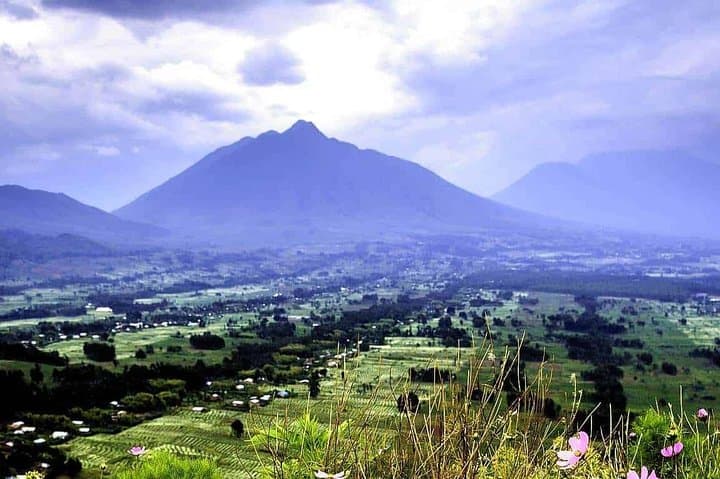
The day begins in the dark, a convoy of 4WDs carving up the road from Kigali while low clouds cling to the Virunga ridgeline.
The day begins in the dark, a convoy of 4WDs carving up the road from Kigali while low clouds cling to the Virunga ridgeline.
By the time you reach Volcanoes National Park headquarters the forest breathes around you — mossy trunks, a chorus of birds, and the quick, searching steps of rangers who know these slopes by heart. The trail climbs through montane forest, then opens into heath and tussock as the altitude rises; at the top, Bisoke’s crater lake sits like a polished eye, cool and still.
Geologically Bisoke is one of the Virunga Volcanoes on the Albertine Rift, shaped by repeated eruptions and long periods of dormancy that left a deep summit crater filled by rain. Culturally, guides and rangers are often local community members with decades of trail knowledge; their briefings cover safety, route etiquette, and the park’s conservation rules.
Expect a sustained ascent on a well-defined but steep trail — wet, rooted sections give way to open slopes near the rim. The hike reaches 3,711 m at the summit, so pace and hydration matter; the thinner air changes how hard the lungs work. Wildlife sightings are common below the treeline (golden monkeys, forest birds), while views across the Virungas reward the final switchbacks.
Practical guidance: start early, wear waterproof layers, carry 2–3 liters of water, and bring snacks for the summit. A licensed ranger and fee are required; your operator usually handles permits and transportation from Kigali or Musanze. Allow 6–8 hours for the full excursion, and plan for variable weather — the mountain can shift from sun to mist in an hour.