THE ADVENTURE COLLECTIVE® · Independent discovery and booking for outdoor travel

Skip the pre-dawn scramble and take the sunset route up Mount Batur. This guided trek pairs a lakeside set lunch with a late-afternoon ascent to the crater rim for golden-hour views and steamed eggs warmed by volcanic heat.
Skip the pre-dawn scramble and take the sunset route up Mount Batur. This guided trek pairs a lakeside set lunch with a late-afternoon ascent to the crater rim for golden-hour views and steamed eggs warmed by volcanic heat.
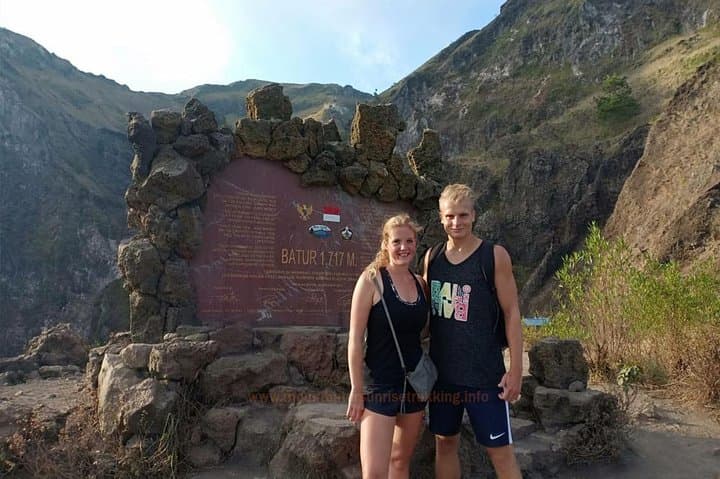
The trail begins at Toya Bungkah as late afternoon light flattens the caldera and the lake’s surface dims to pewter. Guides brief the small private group and you start uphill—first across loose volcanic scree, then through scrub and sparse acacia—toward a rim that opens onto a wide crater and sweeping views of Lake Batur below.
Verified experiences and guided adventures in the surrounding area.
Operated by Mount Batur Sunrise Trekking · Kintamani, Bali
The trail begins at Toya Bungkah as late afternoon light flattens the caldera and the lake’s surface dims to pewter. Guides brief the small private group and you start uphill—first across loose volcanic scree, then through scrub and sparse acacia—toward a rim that opens onto a wide crater and sweeping views of Lake Batur below.
Geologically Mount Batur is an active volcano inside a larger caldera; its eruptions and the lake that fills the caldera have shaped central Bali for millennia. The Kintamani area has been a living landscape for local Balinese communities, who farm the caldera rim and maintain hot spring sites. Guides often point out fumaroles and explain the tradition of steaming eggs in volcanic vents—an earthy local custom tied to the mountain’s thermal activity.
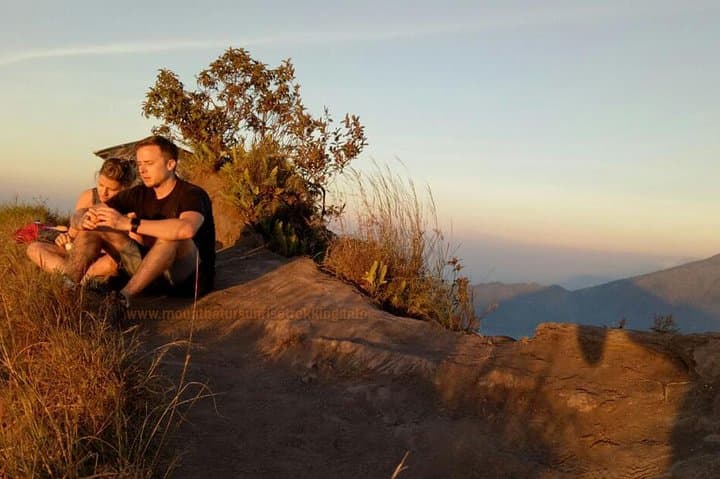
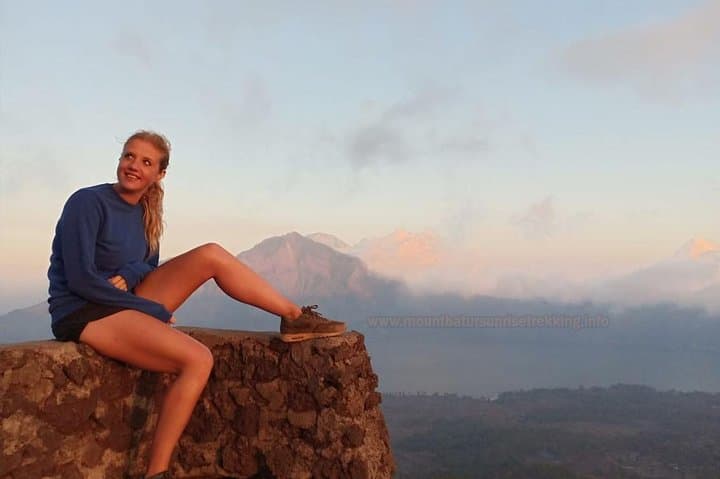
Expect a steady, 1.5–2 hour ascent from the parking area: roughly 3 km with about 600–700 m of elevation gain, mostly on rocky switchbacks. Terrain is mixed—compact volcanic sand, loose stones, and some rocky steps—so paced breathing and steady footing matter. On clear evenings the sunset paints Agung and the lake in layered oranges; in clouds the atmosphere is moody and immediate.
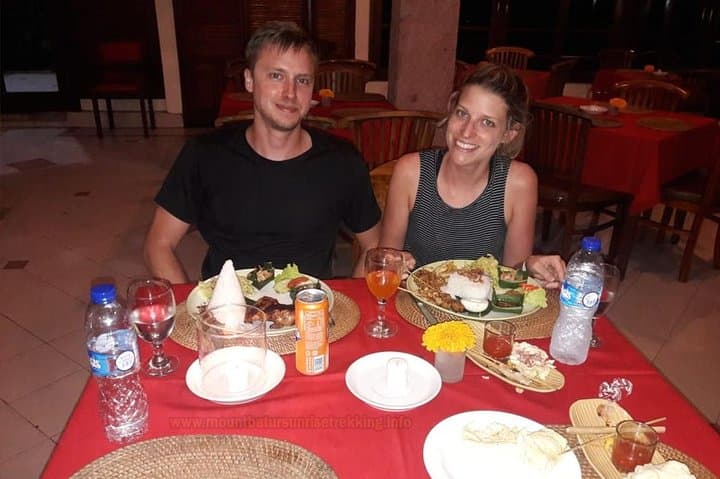
Practical notes: wear grippy hiking shoes, bring a headlamp for the descent, and layer a windbreaker—the summit gets noticeably cooler. The trip includes a set lunch in Penelokan, bottled water, bread and steamed eggs on the rim, and an English-speaking guide. An entrance fee for Kintamani is typical; the organized schedule returns you to your hotel late evening.
moderate.
5–6 hours.
Suitable for those with regular aerobic activity; expect sustained uphill walking and some loose-rock scrambling.
From the Toya Bungkah start point expect about 1.5–2 hours up and around 45–60 minutes to descend, with total door-to-door time around 5–6 hours.
Yes—this guided route is suitable for people with basic fitness; the guide adjusts pace and the path is non-technical though steep in places.
Guides often provide eggs steamed using geothermal heat or hot water at the rim—it's a popular local experience included on many tours.
Tours operate in light rain but heavy weather can obscure views; cancellation and refund policies vary by operator—confirm before booking.
Mount Batur sits inside one of Bali’s large calderas; successive eruptions shaped local settlements and fertile soils that supported traditional agriculture.
Stick to established paths to prevent erosion on loose volcanic soils; local guides and operators encourage leaving no trace and support entrance fees that fund park upkeep.
Mount Batur Sunrise Trekking operates guided outdoor trips and adventures with an emphasis on safety, stewardship, and memorable experiences.
The trail begins at Toya Bungkah as late afternoon light flattens the caldera and the lake’s surface dims to pewter. Guides brief the small private group and you start uphill—first across loose volcanic scree, then through scrub and sparse acacia—toward a rim that opens onto a wide crater and sweeping views of Lake Batur below.
The trail begins at Toya Bungkah as late afternoon light flattens the caldera and the lake’s surface dims to pewter. Guides brief the small private group and you start uphill—first across loose volcanic scree, then through scrub and sparse acacia—toward a rim that opens onto a wide crater and sweeping views of Lake Batur below.
Geologically Mount Batur is an active volcano inside a larger caldera; its eruptions and the lake that fills the caldera have shaped central Bali for millennia. The Kintamani area has been a living landscape for local Balinese communities, who farm the caldera rim and maintain hot spring sites. Guides often point out fumaroles and explain the tradition of steaming eggs in volcanic vents—an earthy local custom tied to the mountain’s thermal activity.
Expect a steady, 1.5–2 hour ascent from the parking area: roughly 3 km with about 600–700 m of elevation gain, mostly on rocky switchbacks. Terrain is mixed—compact volcanic sand, loose stones, and some rocky steps—so paced breathing and steady footing matter. On clear evenings the sunset paints Agung and the lake in layered oranges; in clouds the atmosphere is moody and immediate.
Practical notes: wear grippy hiking shoes, bring a headlamp for the descent, and layer a windbreaker—the summit gets noticeably cooler. The trip includes a set lunch in Penelokan, bottled water, bread and steamed eggs on the rim, and an English-speaking guide. An entrance fee for Kintamani is typical; the organized schedule returns you to your hotel late evening.