THE ADVENTURE COLLECTIVE® · Independent discovery and booking for outdoor travel

Skip the midnight wake-up and hike Mount Batur in the afternoon: reach the rim for a dramatic volcanic sunset, taste eggs steamed in fumaroles, and descend by headlamp. This all-inclusive trek mixes cultural stops, coffee plantation views, and easy but loose volcanic terrain.
Skip the midnight wake-up and hike Mount Batur in the afternoon: reach the rim for a dramatic volcanic sunset, taste eggs steamed in fumaroles, and descend by headlamp. This all-inclusive trek mixes cultural stops, coffee plantation views, and easy but loose volcanic terrain.
The trail opens in late afternoon light, the caldera rim cutting a clean silhouette against an orange sky. You step through village temples and coffee plots where the air smells faintly of roasted beans, then push upward over black pumice and packed volcanic ash as the sun lowers toward Batur's crater lake.
Verified experiences and guided adventures in the surrounding area.
Operated by Bali Volcano Hiking · Kintamani, Bali
The trail opens in late afternoon light, the caldera rim cutting a clean silhouette against an orange sky. You step through village temples and coffee plots where the air smells faintly of roasted beans, then push upward over black pumice and packed volcanic ash as the sun lowers toward Batur's crater lake.
Mount Batur sits inside a much larger caldera on Bali’s northeastern plateau; the current cone is geologically young, shaped by repeated eruptions and surrounded by terraced farms that feed nearby villages. Balinese culture is visible at small shrines along the route and in Kintamani’s coffee rituals—guides often pause to explain offerings, temple etiquette and the local relationship to the mountain.
The hike itself is straightforward but variable: expect 2 hours of steady climbing on loose volcanic scree with short, steeper pitches and panoramic views over Lake Batur. At the rim, steam vents cook eggs and bananas—an unmistakable, slightly sulfurous souvenir of active geology.
Practical note: this tour starts mid-afternoon and returns after dark, so plan for a final descent with a headlamp or provided torch. Wear grippy hiking shoes, bring layers for wind and cooling temperatures after sunset, and carry at least one liter of water. Respect marked paths and temple areas; the caldera is ecologically fragile and visitors are asked to take all waste back down.
Timing your trek for clear weather gives the best sunset visibility, while the quieter afternoon start avoids the pre-dawn crowds common on summit sunrise routes.
moderate.
6–7 hours (including transfers).
Moderate fitness required—able to sustain steady uphill hiking for ~2 hours on loose terrain and manage a return descent in fading light.
The ascent is moderately strenuous with loose volcanic scree; expect about 2 hours up at a steady pace and a similar descent—suitable for people with moderate fitness.
Yes—guides commonly demonstrate cooking eggs or bananas in fumaroles at the rim; remain at safe distances and follow guide instructions due to hot steam and gases.
Most tours include hotel pickup in Ubud and nearby areas; confirm pickup time and location when booking as it depends on where you’re staying.
Mount Batur is about 1,700 m above sea level—altitude effects are usually mild; the volcano is active but monitored and tour operators avoid unsafe areas and adhere to local advisories.
Mount Batur’s current cone sits in a large Pleistocene caldera; the region has long been central to highland Balinese agriculture and temple traditions in Kintamani.
The caldera ecosystem is sensitive—stick to trails, carry out all trash, and avoid disturbing fumaroles or cultural sites to minimize impact.
Bali Volcano Hiking operates guided outdoor trips and adventures with an emphasis on safety, stewardship, and memorable experiences.
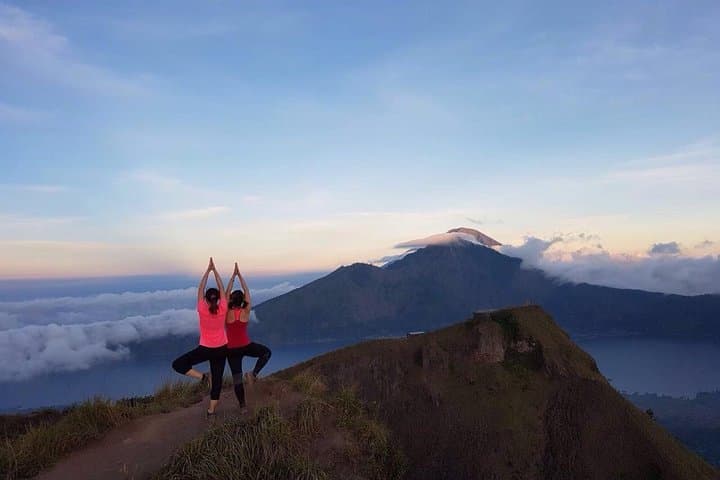
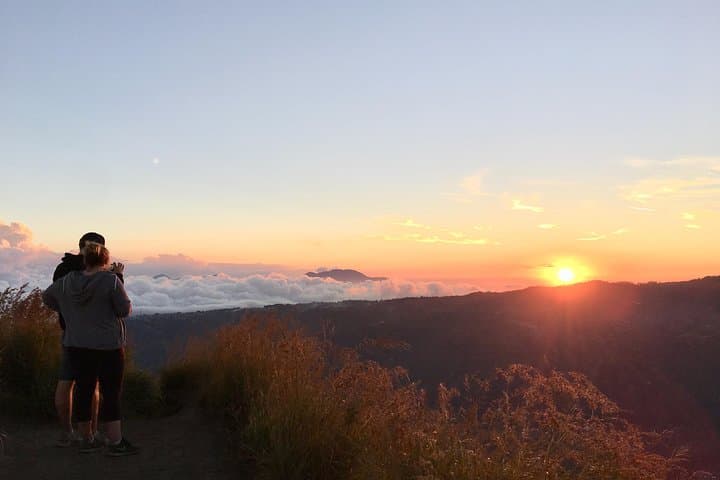
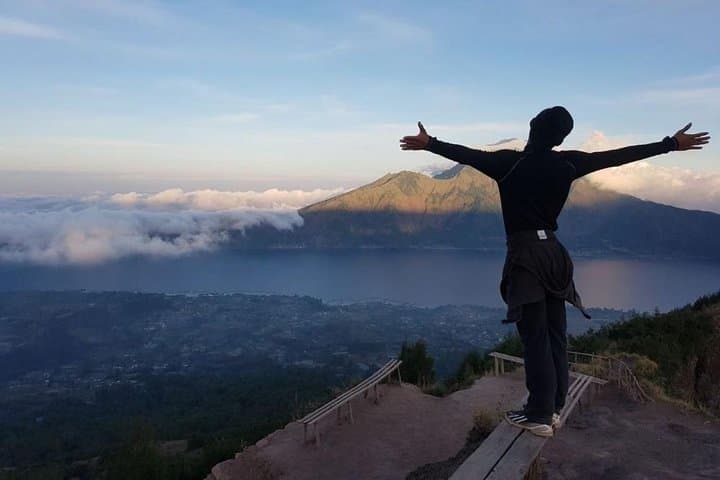
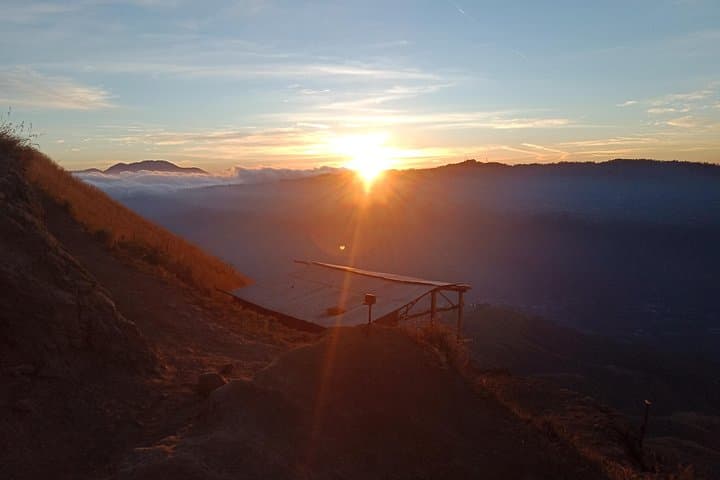
The trail opens in late afternoon light, the caldera rim cutting a clean silhouette against an orange sky. You step through village temples and coffee plots where the air smells faintly of roasted beans, then push upward over black pumice and packed volcanic ash as the sun lowers toward Batur's crater lake.
The trail opens in late afternoon light, the caldera rim cutting a clean silhouette against an orange sky. You step through village temples and coffee plots where the air smells faintly of roasted beans, then push upward over black pumice and packed volcanic ash as the sun lowers toward Batur's crater lake.
Mount Batur sits inside a much larger caldera on Bali’s northeastern plateau; the current cone is geologically young, shaped by repeated eruptions and surrounded by terraced farms that feed nearby villages. Balinese culture is visible at small shrines along the route and in Kintamani’s coffee rituals—guides often pause to explain offerings, temple etiquette and the local relationship to the mountain.
The hike itself is straightforward but variable: expect 2 hours of steady climbing on loose volcanic scree with short, steeper pitches and panoramic views over Lake Batur. At the rim, steam vents cook eggs and bananas—an unmistakable, slightly sulfurous souvenir of active geology.
Practical note: this tour starts mid-afternoon and returns after dark, so plan for a final descent with a headlamp or provided torch. Wear grippy hiking shoes, bring layers for wind and cooling temperatures after sunset, and carry at least one liter of water. Respect marked paths and temple areas; the caldera is ecologically fragile and visitors are asked to take all waste back down.
Timing your trek for clear weather gives the best sunset visibility, while the quieter afternoon start avoids the pre-dawn crowds common on summit sunrise routes.