THE ADVENTURE COLLECTIVE® · Independent discovery and booking for outdoor travel

Climb Mount Batur before sunrise to watch light spill across Lake Batur and Bali’s eastern peaks. This practical guide explains the terrain, local context, and what to pack for a safe pre‑dawn ascent.
Climb Mount Batur before sunrise to watch light spill across Lake Batur and Bali’s eastern peaks. This practical guide explains the terrain, local context, and what to pack for a safe pre‑dawn ascent.
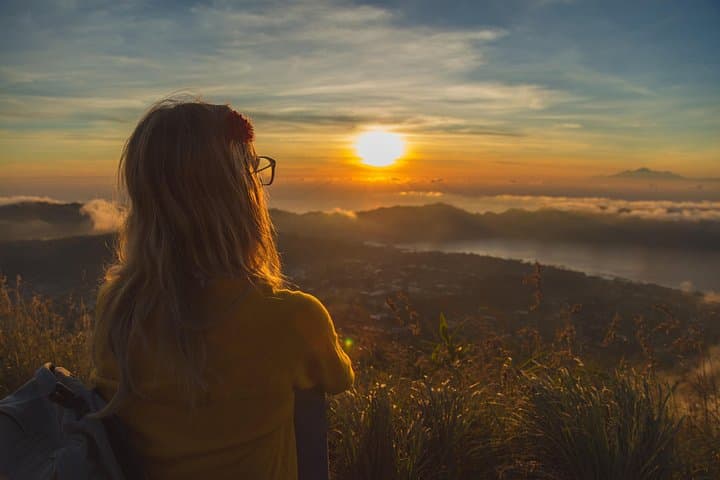
Before dawn, a string of headlamps threads the trail up Mount Batur, and the volcano’s silhouette cuts a clean line against a navy sky. Climbers move in a steady rhythm—breath, step, breath—while the crater’s thermal vents seem to exhale steam that catches the first light.
Verified experiences and guided adventures in the surrounding area.
Operated by Hire Bali Cab · Kintamani, Bali
Before dawn, a string of headlamps threads the trail up Mount Batur, and the volcano’s silhouette cuts a clean line against a navy sky. Climbers move in a steady rhythm—breath, step, breath—while the crater’s thermal vents seem to exhale steam that catches the first light.
Mount Batur sits in north‑central Bali above Lake Batur, a caldera formed by massive eruptions tens of thousands of years ago. The current cone is young by geologic standards; fumaroles and hot springs are reminders that the mountain still breathes. Locally, the mountain and lake are woven into Balinese ritual life—offerings on the rim, rice terraces fed by its runoff—and Kintamani villages maintain cultural ties to the landscape.
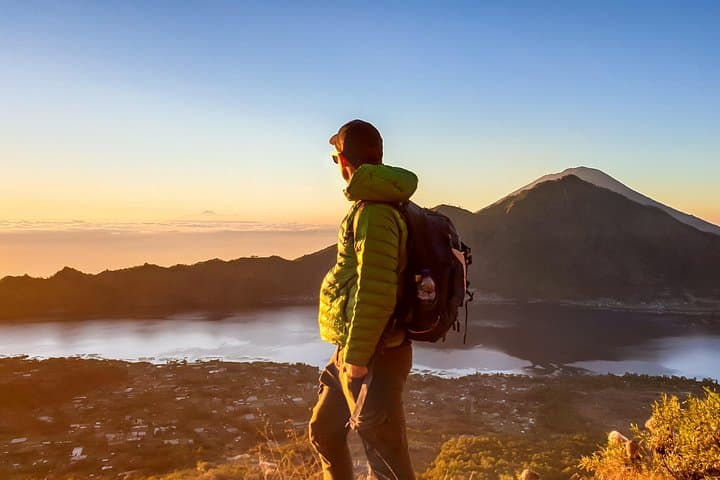
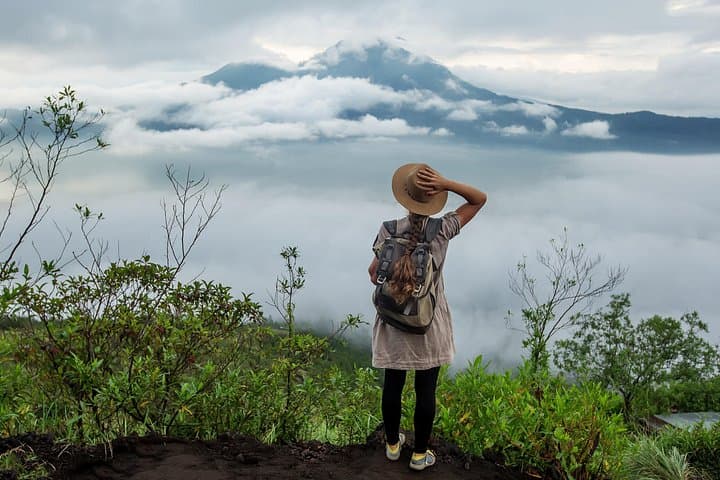
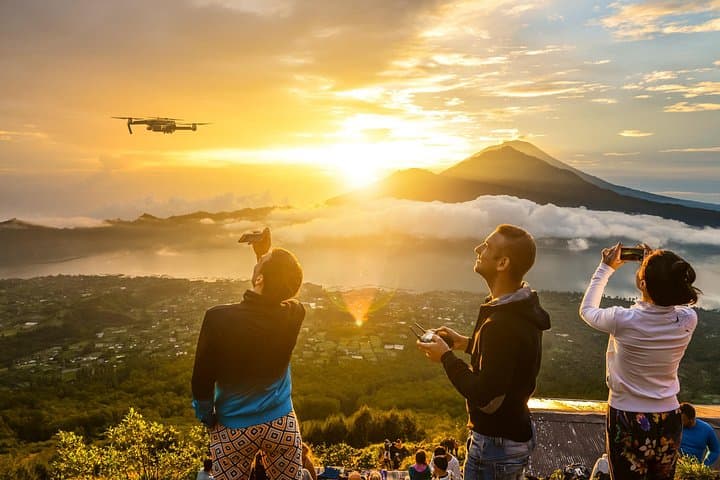
On the ascent hikers pass black volcanic scree, sections of compacted ash, and island pines that lean into constant trade winds. The summit ridge offers 360‑degree views: a tiered lake below, the profile of neighboring Agung, and on clear days Lombok’s silhouette to the east. Sunrise is a practical affair—don’t expect long stays on narrow crater rims; wind and loose rock make quick photo stops the norm.
Practical guidance: plan a 2–4 hour window for the hike itself but allow 4–8 hours including transfers from Ubud or south Bali. Wear sturdy, treaded footwear for loose volcanic scree, bring a headlamp for the pre‑dawn approach, and layer for wind and rapidly changing temperatures. Respect local guides—guides are mandatory on many excursions—and carry cash for local coffee stands and tips.
moderate.
4–8 hours (including transfers).
Suitable for travelers with basic fitness who can manage 2–3 hours of uphill walking over uneven ground
Departures are usually between 2:00–4:00 AM to reach the rim for sunrise; your tour operator will confirm exact pickup time.
Yes—local guides are mandatory for safety, navigation on loose terrain, and cultural respect for the site.
The trail is moderate: 1.5–3 hours uphill depending on pace, with loose volcanic scree and short steeper pitches.
Most operators advise against the trek for people with serious heart or back conditions and for pregnant travelers; ask about age or health limits when booking.
The Batur caldera was formed by one of Bali’s largest Holocene eruptions; the current cone grew inside that caldera and remains volcanically active, shaping local agriculture and water sources.
Foot traffic and litter strain fragile volcanic soils; stick to trails, pack out waste, and support guide‑led groups that contribute to community conservation funds.
Hire Bali Cab operates guided outdoor trips and adventures with an emphasis on safety, stewardship, and memorable experiences.
Before dawn, a string of headlamps threads the trail up Mount Batur, and the volcano’s silhouette cuts a clean line against a navy sky. Climbers move in a steady rhythm—breath, step, breath—while the crater’s thermal vents seem to exhale steam that catches the first light.
Before dawn, a string of headlamps threads the trail up Mount Batur, and the volcano’s silhouette cuts a clean line against a navy sky. Climbers move in a steady rhythm—breath, step, breath—while the crater’s thermal vents seem to exhale steam that catches the first light.
Mount Batur sits in north‑central Bali above Lake Batur, a caldera formed by massive eruptions tens of thousands of years ago. The current cone is young by geologic standards; fumaroles and hot springs are reminders that the mountain still breathes. Locally, the mountain and lake are woven into Balinese ritual life—offerings on the rim, rice terraces fed by its runoff—and Kintamani villages maintain cultural ties to the landscape.
On the ascent hikers pass black volcanic scree, sections of compacted ash, and island pines that lean into constant trade winds. The summit ridge offers 360‑degree views: a tiered lake below, the profile of neighboring Agung, and on clear days Lombok’s silhouette to the east. Sunrise is a practical affair—don’t expect long stays on narrow crater rims; wind and loose rock make quick photo stops the norm.
Practical guidance: plan a 2–4 hour window for the hike itself but allow 4–8 hours including transfers from Ubud or south Bali. Wear sturdy, treaded footwear for loose volcanic scree, bring a headlamp for the pre‑dawn approach, and layer for wind and rapidly changing temperatures. Respect local guides—guides are mandatory on many excursions—and carry cash for local coffee stands and tips.