THE ADVENTURE COLLECTIVE® · Independent discovery and booking for outdoor travel

Earned at the rim before most of Bali stirs: a pre-dawn trek up Mount Batur delivers volcanic panoramas, a crater lake below, and cultural stops at Tegallalang rice terraces and a local coffee tasting. Practical route details and timing make this sunrise memorable and manageable.
Earned at the rim before most of Bali stirs: a pre-dawn trek up Mount Batur delivers volcanic panoramas, a crater lake below, and cultural stops at Tegallalang rice terraces and a local coffee tasting. Practical route details and timing make this sunrise memorable and manageable.
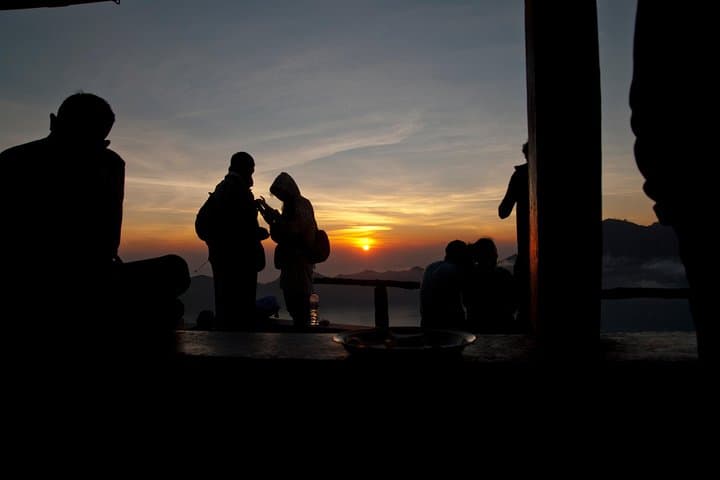
Before dawn you step from a private car into the cool Kintamani air and move toward a ribbon of headlamps snaking up black volcanic scree. By the time the summit rim sharpens against an indigo sky, steam and chill trade places—hot fumaroles hissing like distant kettles, and the crater lake below holding the first pale light.
Verified experiences and guided adventures in the surrounding area.
Operated by Bali Bliss Tours · Kintamani, Bali
Before dawn you step from a private car into the cool Kintamani air and move toward a ribbon of headlamps snaking up black volcanic scree. By the time the summit rim sharpens against an indigo sky, steam and chill trade places—hot fumaroles hissing like distant kettles, and the crater lake below holding the first pale light.
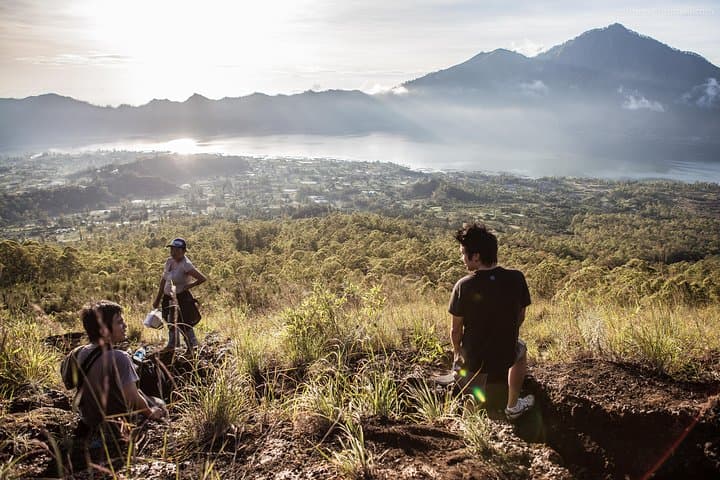
Gunung Batur (5,633 ft / 1,717 m) sits on a larger caldera whose rim hosts villages, rice terraces and hot springs. Geologically young and frequently active, Batur’s landscape is volcanic: ash-strewn gullies, scoria trails and a shallow crater lake, Danau Batur, that collects runoff and memory. Culturally, Kintamani villagers have farmed the caldera for generations; nearby Tegallalang’s terraces reflect centuries of subak irrigation practice and local craft economies.
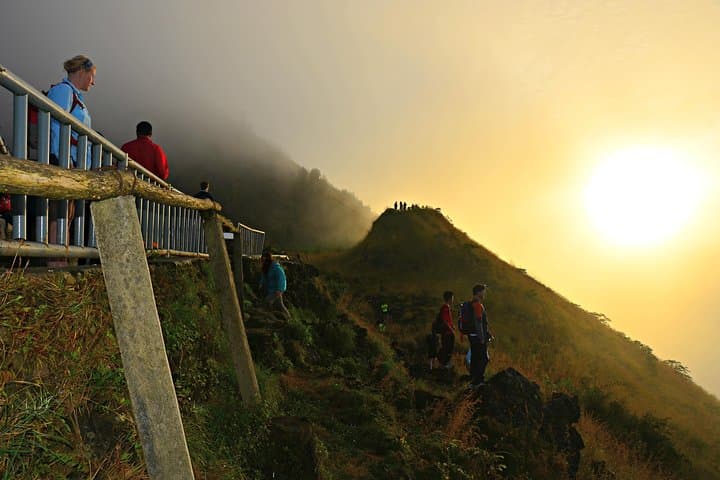
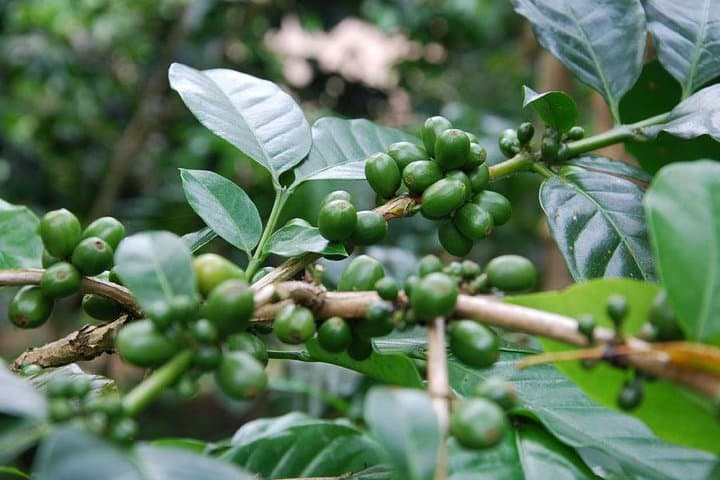
The full loop in this itinerary commonly includes a pre-dawn two-hour ascent, sunrise at the rim, and stops for kopi luwak tasting and Tegallalang rice terraces—plus a waterfall viewpoint depending on route. Expect uneven volcanic rock, loose gravel, and short steep pitches; the return is quicker but still demands steady footing.
Practical notes: wear sturdy trail shoes, bring layers for cold summit winds, and carry 1–2 liters of water. Go early in the dry season for clearer sunrises; in the wet season trails get slick and visibility can vanish behind cloud. Private transfers and a local guide are standard—use them to navigate routes, respect sacred sites, and limit your impact on fragile soils. Sunrise here is an earned view: a raw, elemental moment atop one of Bali’s most active peaks.
moderate.
2–4 hours.
Moderate fitness—regular walkers who can handle sustained uphill hiking for roughly 2 hours will manage well.
The ascent typically takes about 1.5–2 hours depending on pace and fitness; allow 2–4 hours total including summit time and return.
Local guides are commonly provided and recommended for safety, route knowledge, and interpreting local customs and geology.
Physically active beginners who are comfortable with steep, uneven trails and early starts can complete it, though the pace can be brisk.
Visibility can be poor during the wet season; operators often cancel or reschedule for heavy rain—confirm cancellation policy and watch local weather forecasts.
The Batur area has long been an agrarian and ritual landscape; villagers maintain traditional irrigation and temple practices tied to the caldera’s soils.
Stick to established trails to prevent erosion on fragile volcanic soils; support local guides and craft vendors to keep tourism benefits in-community.
Bali Bliss Tours operates guided outdoor trips and adventures with an emphasis on safety, stewardship, and memorable experiences.
Before dawn you step from a private car into the cool Kintamani air and move toward a ribbon of headlamps snaking up black volcanic scree. By the time the summit rim sharpens against an indigo sky, steam and chill trade places—hot fumaroles hissing like distant kettles, and the crater lake below holding the first pale light.
Before dawn you step from a private car into the cool Kintamani air and move toward a ribbon of headlamps snaking up black volcanic scree. By the time the summit rim sharpens against an indigo sky, steam and chill trade places—hot fumaroles hissing like distant kettles, and the crater lake below holding the first pale light.
Gunung Batur (5,633 ft / 1,717 m) sits on a larger caldera whose rim hosts villages, rice terraces and hot springs. Geologically young and frequently active, Batur’s landscape is volcanic: ash-strewn gullies, scoria trails and a shallow crater lake, Danau Batur, that collects runoff and memory. Culturally, Kintamani villagers have farmed the caldera for generations; nearby Tegallalang’s terraces reflect centuries of subak irrigation practice and local craft economies.
The full loop in this itinerary commonly includes a pre-dawn two-hour ascent, sunrise at the rim, and stops for kopi luwak tasting and Tegallalang rice terraces—plus a waterfall viewpoint depending on route. Expect uneven volcanic rock, loose gravel, and short steep pitches; the return is quicker but still demands steady footing.
Practical notes: wear sturdy trail shoes, bring layers for cold summit winds, and carry 1–2 liters of water. Go early in the dry season for clearer sunrises; in the wet season trails get slick and visibility can vanish behind cloud. Private transfers and a local guide are standard—use them to navigate routes, respect sacred sites, and limit your impact on fragile soils. Sunrise here is an earned view: a raw, elemental moment atop one of Bali’s most active peaks.