THE ADVENTURE COLLECTIVE® · Independent discovery and booking for outdoor travel

Ascend Mount Batur in the pre-dawn dark and stand on a volcanic rim as the sun uncovers Bali—Lake Batur shimmering below and Mount Agung on the horizon. This trek pairs rugged volcanic terrain with a sunrise breakfast and straightforward logistical support from local guides.
Ascend Mount Batur in the pre-dawn dark and stand on a volcanic rim as the sun uncovers Bali—Lake Batur shimmering below and Mount Agung on the horizon. This trek pairs rugged volcanic terrain with a sunrise breakfast and straightforward logistical support from local guides.
You leave Ubud before the stars fade, headlamps bobbing like a small constellation as the trail climbs through black volcanic scree. The air grows cooler and thinner; the ground crunches underfoot. By the time you crest the final ridge, the sky begins to bleed color across the caldera and Lake Batur below, and Mount Agung looms distant and solemn.
Verified experiences and guided adventures in the surrounding area.
Operated by Mount Batur Sunset Trekking · Kintamani, Bali
You leave Ubud before the stars fade, headlamps bobbing like a small constellation as the trail climbs through black volcanic scree. The air grows cooler and thinner; the ground crunches underfoot. By the time you crest the final ridge, the sky begins to bleed color across the caldera and Lake Batur below, and Mount Agung looms distant and solemn.
Mount Batur is a young, active volcano inside a larger caldera formed by a massive eruption thousands of years ago. The landscape alternates between sharp lava rock and wind-swept ash fields, with terraces and small villages clinging to the caldera rim. Local Balinese often treat the mountain as sacred—temples and offerings appear in village shrines near trailheads.
Geology shows recent flows and fumaroles; steam and warm vents are common near the summit. Cultural layers are visible too: sunrise treks often pause for a simple summit breakfast, a ritual half practical, half celebratory.
Practical guide: expect steep, rocky switchbacks and loose footing—trekking sticks and good shoes matter. Tours typically start around 3–4 AM to reach the summit for first light; total door-to-door time can be 4–8 hours depending on pickup and return. Night air is cold—pack a warm layer you can shed. Hydrate before the climb and carry small snacks; guides usually provide bottled water, breakfast, and headlamps.
Respect temple sites, follow your guide on unstable slopes, and leave no trace. For clear sunrises aim for the dry months, and if the mountain smells of sulfur or tremors are reported, check local advisories before booking.
moderate.
4-8 hours.
Suitable for travelers with moderate fitness who can handle rocky, uphill walking for 1–2 hours at a time and basic altitude change.
The uphill portion typically takes 1–2 hours depending on fitness and pace; tours include transport and total time often runs 4–8 hours.
It’s moderate: no technical climbing, but expect loose rock, some steep sections, and early-morning darkness—basic fitness and steady footing are required.
Guides are recommended and commonly provided; they know the safest route, local conditions, and handle permits and summit breakfast logistics.
Dry season months (roughly May–September) offer the most reliable clear mornings, though mornings can be clear at other times too—check local weather forecasts.
Mount Batur sits inside a large caldera created by a major eruption; the area has been inhabited for centuries and local villages maintain Balinese temple traditions tied to the landscape.
The caldera ecosystem is sensitive—stay on marked routes, avoid trampling vegetation, and pack out all trash; support local guides who practice low-impact tourism.
Mount Batur Sunset Trekking operates guided outdoor trips and adventures with an emphasis on safety, stewardship, and memorable experiences.
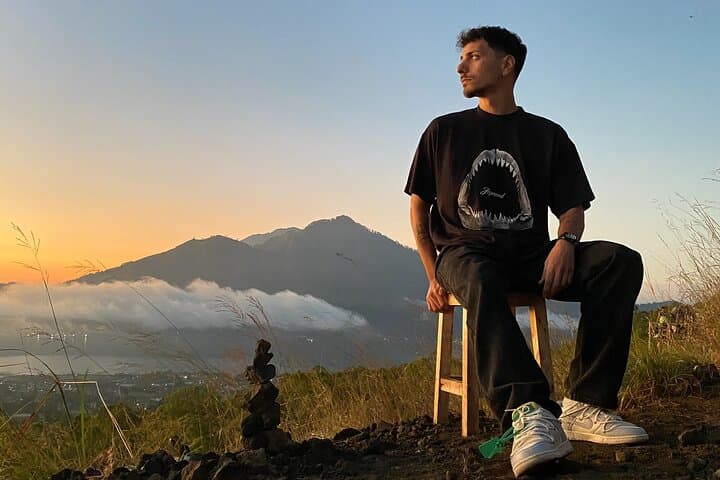
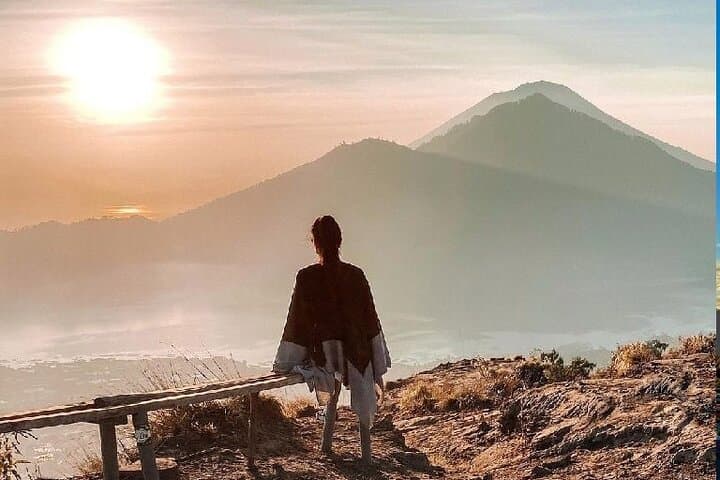
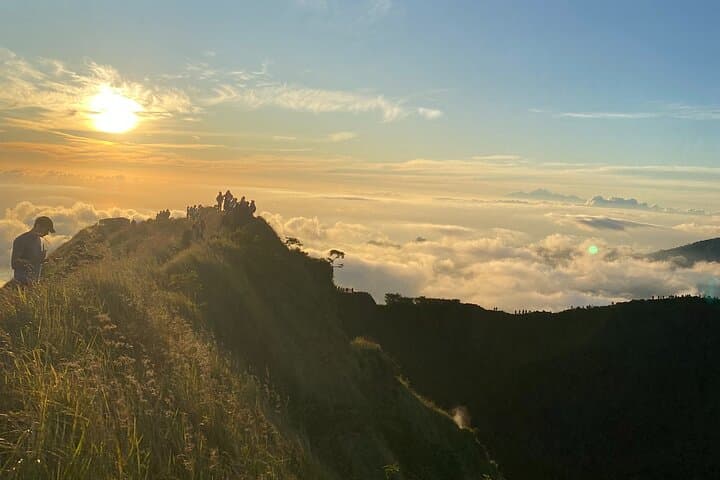
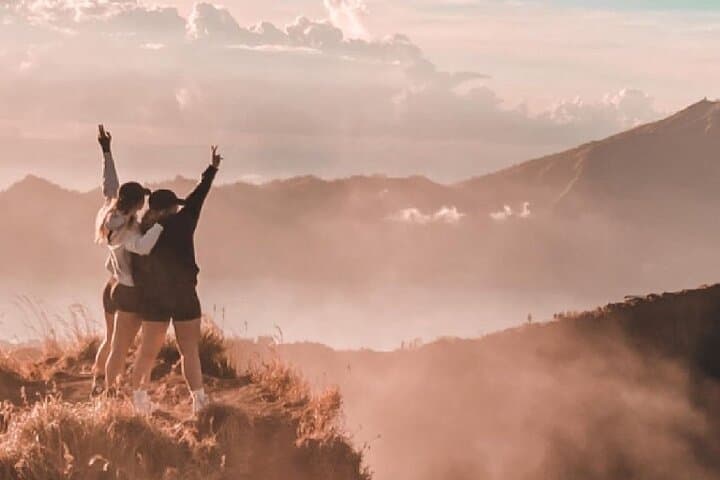
You leave Ubud before the stars fade, headlamps bobbing like a small constellation as the trail climbs through black volcanic scree. The air grows cooler and thinner; the ground crunches underfoot. By the time you crest the final ridge, the sky begins to bleed color across the caldera and Lake Batur below, and Mount Agung looms distant and solemn.
You leave Ubud before the stars fade, headlamps bobbing like a small constellation as the trail climbs through black volcanic scree. The air grows cooler and thinner; the ground crunches underfoot. By the time you crest the final ridge, the sky begins to bleed color across the caldera and Lake Batur below, and Mount Agung looms distant and solemn.
Mount Batur is a young, active volcano inside a larger caldera formed by a massive eruption thousands of years ago. The landscape alternates between sharp lava rock and wind-swept ash fields, with terraces and small villages clinging to the caldera rim. Local Balinese often treat the mountain as sacred—temples and offerings appear in village shrines near trailheads.
Geology shows recent flows and fumaroles; steam and warm vents are common near the summit. Cultural layers are visible too: sunrise treks often pause for a simple summit breakfast, a ritual half practical, half celebratory.
Practical guide: expect steep, rocky switchbacks and loose footing—trekking sticks and good shoes matter. Tours typically start around 3–4 AM to reach the summit for first light; total door-to-door time can be 4–8 hours depending on pickup and return. Night air is cold—pack a warm layer you can shed. Hydrate before the climb and carry small snacks; guides usually provide bottled water, breakfast, and headlamps.
Respect temple sites, follow your guide on unstable slopes, and leave no trace. For clear sunrises aim for the dry months, and if the mountain smells of sulfur or tremors are reported, check local advisories before booking.