THE ADVENTURE COLLECTIVE® · Independent discovery and booking for outdoor travel

Climb Mount Batur before sunrise with a private guide, sip coffee on the rim, and choose optional hot springs or a coffee-plantation visit. Practical logistics, terrain notes, and local insights to prepare you for this classic Bali trek.
Climb Mount Batur before sunrise with a private guide, sip coffee on the rim, and choose optional hot springs or a coffee-plantation visit. Practical logistics, terrain notes, and local insights to prepare you for this classic Bali trek.
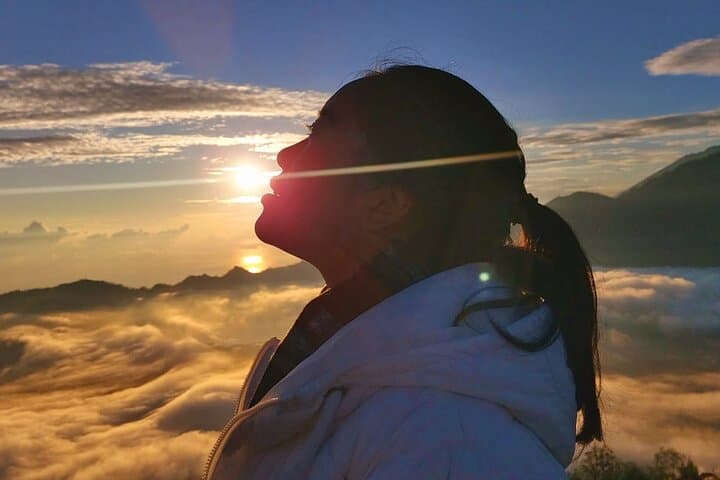
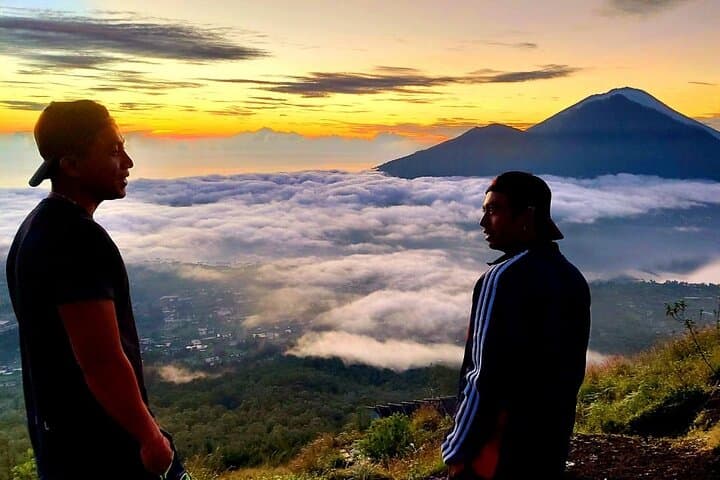
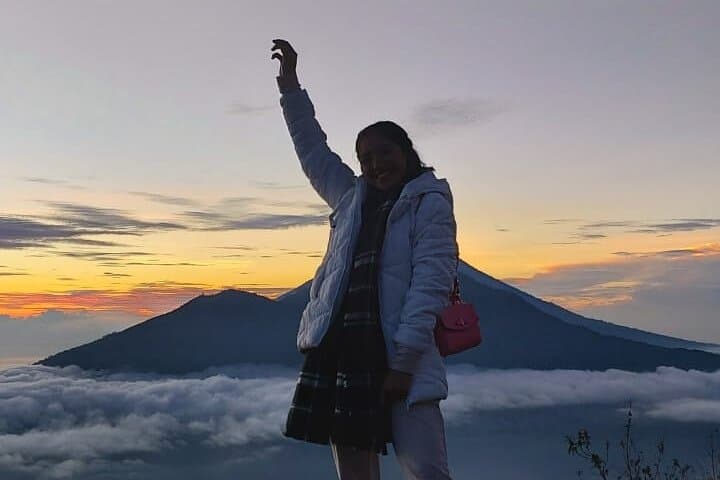
A headlamp beam picks out the narrow switchbacks as the island sleeps; beneath your boots, the loose volcanic scree whispers with each step. By the time the trail widens, the horizon is already changing color, and Mount Batur’s crater rim frames a sun that insists on being seen. The climb is intimate—local guides set the pace, and the summit’s shallow plateau rewards early risers with a 360° view where Lake Batur sits like a black eye in the caldera.
Verified experiences and guided adventures in the surrounding area.
Operated by Private Bali Trekking · Kintamani, Bali
A headlamp beam picks out the narrow switchbacks as the island sleeps; beneath your boots, the loose volcanic scree whispers with each step. By the time the trail widens, the horizon is already changing color, and Mount Batur’s crater rim frames a sun that insists on being seen. The climb is intimate—local guides set the pace, and the summit’s shallow plateau rewards early risers with a 360° view where Lake Batur sits like a black eye in the caldera.
Geologically, Batur is an active complex volcano inside a much larger caldera formed by prehistoric collapse; eruptions have reshaped its rims in 1926, 1963, 1974 and 1994. Culturally, the Kintamani region balances agriculture and religion—temples and terrace farms dot the slopes, and coffee grown nearby fuels the island’s famed kopi luwak narrative. Guides often add a coffee-plantation stop so visitors taste beans roasted within sight of the caldera.
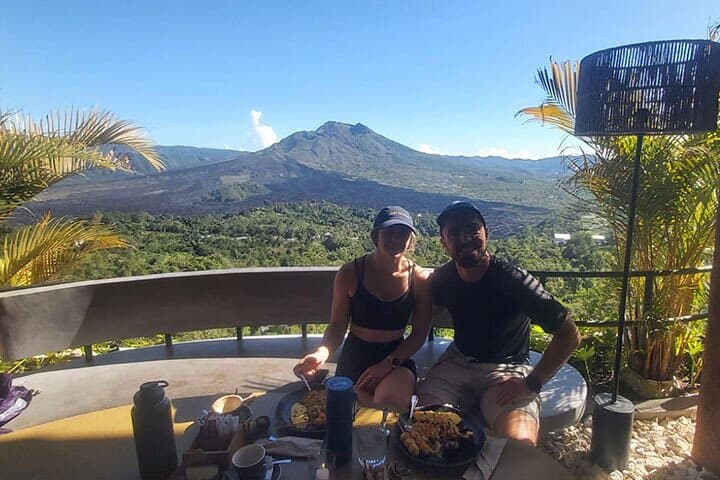
Practical guidance is straightforward: the ascent takes roughly 60–90 minutes of steady uphill on compacted ash, rock and occasional steps; the descent is quicker but requires attention on loose sections. Expect pre-dawn pickups from most accommodations; bring a headlamp, warm layers for summit winds, and water. Hot springs and breakfast with views are common add-ons—book them if you want to warm up after the hike.
On busy mornings, stick with your guide, leave no trace, and plan for early returns to beat mid-morning heat and tourist traffic. The reward is simple and immediate: the crater’s heat underfoot, a cup of tea at sunrise, and a view that makes the effort feel earned.
moderate.
6–10 hours.
Moderate fitness—comfortable with sustained uphill walking and some balance on loose volcanic rock
The typical guided ascent is 60–90 minutes depending on fitness; total door-to-door tour time including transfers and breakfast is about 6–10 hours.
Mount Batur is active but routinely monitored; guides follow official safety protocols and trails are open most mornings—check local advisories for sudden closures.
Families with older children and beginners can usually join since the route is non-technical, but assess stamina for a 1–2 hour uphill and discuss concerns with the operator before booking.
They are commonly offered as optional add-ons; confirm inclusion when booking or request them at pickup.
Mount Batur sits inside a much larger caldera formed by prehistoric collapse; its activity has shaped local settlement patterns and sacred sites for centuries.
Stick to established trails, carry out waste, and hire local guides—sustaining trails and village economies reduces erosion and cultural disturbance.
Private Bali Trekking operates guided outdoor trips and adventures with an emphasis on safety, stewardship, and memorable experiences.
A headlamp beam picks out the narrow switchbacks as the island sleeps; beneath your boots, the loose volcanic scree whispers with each step. By the time the trail widens, the horizon is already changing color, and Mount Batur’s crater rim frames a sun that insists on being seen. The climb is intimate—local guides set the pace, and the summit’s shallow plateau rewards early risers with a 360° view where Lake Batur sits like a black eye in the caldera.
A headlamp beam picks out the narrow switchbacks as the island sleeps; beneath your boots, the loose volcanic scree whispers with each step. By the time the trail widens, the horizon is already changing color, and Mount Batur’s crater rim frames a sun that insists on being seen. The climb is intimate—local guides set the pace, and the summit’s shallow plateau rewards early risers with a 360° view where Lake Batur sits like a black eye in the caldera.
Geologically, Batur is an active complex volcano inside a much larger caldera formed by prehistoric collapse; eruptions have reshaped its rims in 1926, 1963, 1974 and 1994. Culturally, the Kintamani region balances agriculture and religion—temples and terrace farms dot the slopes, and coffee grown nearby fuels the island’s famed kopi luwak narrative. Guides often add a coffee-plantation stop so visitors taste beans roasted within sight of the caldera.
Practical guidance is straightforward: the ascent takes roughly 60–90 minutes of steady uphill on compacted ash, rock and occasional steps; the descent is quicker but requires attention on loose sections. Expect pre-dawn pickups from most accommodations; bring a headlamp, warm layers for summit winds, and water. Hot springs and breakfast with views are common add-ons—book them if you want to warm up after the hike.
On busy mornings, stick with your guide, leave no trace, and plan for early returns to beat mid-morning heat and tourist traffic. The reward is simple and immediate: the crater’s heat underfoot, a cup of tea at sunrise, and a view that makes the effort feel earned.